If you’ve ever stood on a ferry deck watching a giant container ship nudge into a port berth, you might’ve wondered: how the heck do they decide which ship gets to pull up where, and when? As someone who’s worked in the vessel and port supply game for a decade (I’ve seen it all—from a tiny fishing boat cutting in line to a mega container ship missing its window by 10 minutes), I can tell you it’s not just random luck or a port master playing favorites. It’s a chaotic, high-stakes dance of spreadsheets, radios, and split-second calls—with a ton of tech thrown in now that makes it way less stressful than it used to be. Vessel And Port
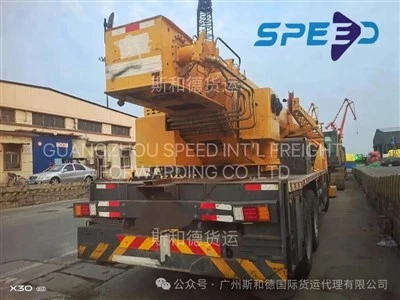
Let’s start with the basics: berthing allocation. At its core, it’s about matching a ship’s needs to a port’s available spots—fast. Port berths aren’t parking lots. You can’t just pull a ship up to any empty spot; some berths are only for big container ships, some for bulk cargo (grain, coal), some for cruise ships, and a few small ones for tankers. Even within the container berths, the length of the ship matters: a 1,200-foot mega ship needs a way longer spot than a 300-foot feeder ship, so you can’t stick a small one in the middle of a long berth and waste space.
Back in the day, this was all done with pen and paper. The port clerk would get a list of ships from the day before, scribble down their sizes and cargo types, and assign spots based on who called first. That worked fine for small ports with 10 ships a day, but now? I’ve seen a busy port handle 50+ ships a day—some coming from halfway across the world, with tight deadlines to unload cargo before they have to sail again. If you’re off by even an hour, a ship might miss its slot, stack up traffic, and throw off every other ship’s schedule. That’s where modern systems come in.
First, most ports now use a Vessel Traffic Service (VTS) — basically a 24/7 control room where folks track every ship in and out of the port via AIS (Automatic Identification System, that little transponder on every ship that broadcasts its position, speed, and destination). VTS officers aren’t just watching screens, though; they’re talking to ship captains over VHF radio, confirming their estimated time of arrival (ETA) because AIS numbers can be off if a ship is dealing with bad weather or a mechanical issue. Once they have a solid ETA, they plug that into a Port Management System (PMS) — the software that runs the whole allocation show.
Here’s where my side of the business comes in: as a vessel and port supply provider, we work with ports to make sure that when a ship is assigned a berth, we can get the supplies they need right there, right on time. If a ship needs fresh water for its crew, or fuel, or spare parts for a broken crane, we can’t just show up when we feel like it—we need to know exactly which berth the ship’s heading to, and when it will be there. That means our systems have to talk to the port’s PMS too; we get real-time updates on berth assignments, so we can dispatch our tugboats, supply barges, or whatever else the ship needs the second it locks in. That’s a game-changer for both sides: the port doesn’t have to worry about a ship waiting for supplies, and our team doesn’t waste time driving around port waters looking for the right spot.
But it’s not just software. There’s a whole team of people pulling the strings. Let’s break down the process step by step, like I’d walk a new crew member through it:
First, pre-arrival. When a ship is still 24 to 72 hours away from the port, its agent (the person who handles all the port paperwork for the ship) submits a “port call request” to the port. This includes the ship’s details: length, draft (how deep it sits in the water—super important for berths, because some spots are too shallow for big ships), cargo type, how long they need to stay, and their ETA. If the ship is carrying perishables (like fruit or flowers), that’s a big red flag—they need to unload fast, so they get priority over a ship with slow-moving bulk cargo. If it’s a cruise ship with passengers who have a tight tour schedule, same deal: priority over general cargo ships.
Then, the port’s planning team takes that request and plugs it into the PMS, but they also adjust for real-time factors. Last week, a port I work with had a container ship run into a power issue 10 miles out, so they had to push its berth back 4 hours, which meant shifting three other ships’ slots. That’s where the human touch comes in—you can’t just let the software handle it; the planning team has to juggle delays, special requests, and even local rules (like a rule that cruise ships can’t dock at night, so all cruise arrivals have to be scheduled for the morning).
Once a berth is assigned, the VTS sends a message to the ship’s captain and the port’s operations team, which makes sure the dockworkers, cranes, and supply teams (that’s us!) are ready. Now, here’s a thing a lot of people don’t know: ships don’t just “park” at berths. Even with tugs helping, a big ship is like a 20-story building floating on water—you can’t just rev the engines and stop. The port’s operations team has to time the ship’s arrival perfectly, so it ties up right when the berth is clear, and so the tide is high enough to make sure the draft isn’t too deep (if the tide is low, a big ship might scrape the bottom of the channel, which is a huge safety risk).
But what about when there’s a backup? Like, five ships show up at the same time, and only two berths are free. How do they pick who goes first? It’s not arbitrary. The priority list usually goes: ships with the tightest sailing schedules (miss their window, and they mess up their whole route), ships carrying dangerous cargo (like chemicals or fuel—they need to be handled quickly to avoid risk), perishables, cruise ships, then general cargo, then empty ships. I’ve seen a tanker carrying gasoline cut ahead of a food cargo ship once, and everyone on site knew it was the right call—one wrong move with gasoline, and it’s a disaster.
Now, let’s talk about the mistakes that can happen, because even with all the tech, stuff goes wrong. Last year, a ship’s agent submitted a wrong draft number—they said the draft was 36 feet, but it was actually 38. The port assigned a berth with 37 feet of water, and when the ship got there, it grounded. That cost the port over a million dollars in lost time and cleanup, and the ship had to unload half its cargo to lighten it so it could move. That’s why we make sure, as a supply provider, that we double-check all the ship’s details with the agent and the VTS before we send any equipment. We can’t afford to show up to a berth that’s not actually available, or a ship that’s stuck on the bottom.
Another common issue: communication gaps. A few months back, a tugboat company missed a radio call from the VTS, so they didn’t show up to help a ship dock on time. That pushed the ship’s berth back an hour, which made the next three ships late. It’s why our team relies on multiple ways to get updates—we have radio channels, we get automated text alerts from the port’s PMS, and we check AIS to make sure we’re not sending a barge to a berth where the ship just moved. It’s overkill, but when every minute counts, overkill is good.
So what’s the future of berthing allocation? More AI, for sure. Some ports are testing AI that can predict delays before they happen—like, if a ship is running 2 hours late, the AI can automatically adjust the berth slot without the planning team having to do anything. But here’s the thing: AI can’t handle the weird stuff. Like, a ship’s captain calls and says their engine just died, and they need to dock 2 hours early. That’s a human call—you can’t code every possible scenario. The best systems right now are a mix: AI handles the routine stuff, and humans handle the surprises.
And let’s not forget about small ports. A lot of people only think about big ports like Los Angeles or Rotterdam, but small coastal ports or inland ports (like on the Great Lakes) have their own challenges. They don’t have the fancy PMS that big ports have, so berthing allocation is more manual—just a clerk with a spreadsheet and a radio. But even there, we work with them to set up simpler systems that sync with their spreadsheets, so they don’t have to as much guesswork. We supply small tugs, portable VTS tools, and basic berth management software, so even the smallest ports can run smoothly.
Now, why does this matter to you? If you’re someone who ships goods, or travels on a cruise, or works in the supply chain, berthing allocation is the reason your package shows up on time, or your cruise departs without delays. For us as a vessel and port supply provider, it’s why we’re able to get ships the fuel, water, and parts they need—on time, every time. If a ship is delayed because of a bad berth assignment, that’s lost revenue for the ship, lost cargo for the port, and lost business for us. That’s why we’re always talking to ports about how to make their allocation systems better, how to make sure our supply services line up perfectly with those assignments.
If you’re in the port or vessel industry, or you work with ships, you know how chaotic it gets. But at the end of the day, it’s all about teamwork: the port’s planning team, the VTS officers, the ship’s captains, and teams like us who make sure the supplies are there when they’re needed. No one can do it alone.
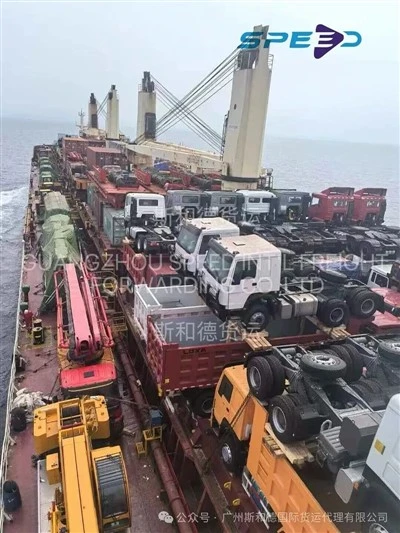
If you’re looking for a vessel and port supply partner that gets the ins and outs of berthing allocation—someone who can sync their services with your port’s schedule, handle last-minute changes, and make sure your ships never have to wait for what they need—reach out. We’ve worked with ports of all sizes, from small inland docks to big coastal hubs, and we know how to make this messy system work for you.
Oog Operations References
- International Association of Ports and Harbors. (2022). Port Operations and Vessel Berthing Management: Best Practices.
- Vessel Traffic Service Association. (2021). AIS and Port Management Systems: Integration for Safe Harbor Operations.
- Journal of Port and Coastal Development. (2023). Human-Machine Collaboration in Vessel Berth Allocation: Case Studies of Global Ports.
- Maritime Supply Chain Magazine. (2022). The Role of Port Supply Providers in Berth Efficiency.
Speed Supply Chain (Guangzhou) Co., Limited
Speed Supply Chain (Guangzhou) Co., Limited is a licensed NVOCC and first-level freight forwarder in China. With a professional team, we deliver reliable, efficient and cost-effective vessel and port service for global customers. If you have any enquiry about quotation, please feel free to email us.
Address: Room 2001-2002, Dongzhao Building, No. 515 Dongfeng Middle Road, Yuexiu District, Guangzhou, Guangdong, China
E-mail: mika.li@speedsucc.com
WebSite: https://www.speedsupplychain.com/
