If you’ve walked through a mall lately, browsed a trade show booth, or even watched a brand pop up on your social feed with a “floating” product display, you’ve probably seen hologram showcases in action. I’ve been selling hologram display units for almost seven years now, and man—this industry isn’t the cheesy, clunky “hologram” you remember from old sci-fi flicks. It’s evolved so fast in the last 18 months that even I’m playing catch-up with the latest shifts, and most of it’s driven by what businesses actually need, not just flashy tech. Hologram Showcase
Let me start by calling out the biggest trend that’s not about tech specs—it’s about use case specificity. Back in 2021, every client I talked to wanted the same basic setup: a 360-degree spinning fan, a blurry pre-recorded video, and a box to tuck it in. Now? Clients come to me with super niche asks. A sports apparel brand wanted a showcase that only works when a customer scans a Nike app QR code, so the hologram (it’s a 3D model of a running shoe) only appears if they’re in the store’s loyalty program. A pharmaceutical company needed a unit that can pull up patient education holograms on demand, but only after a doctor logs in with a secure ID. These aren’t one-size-fits-all displays anymore—they’re tools tailored to solve a specific problem, not just look cool.
Wait, let’s clarify: when I say “hologram showcase,” I’m not talking about the fancy 3D holograms you see in concert (those use lasers and require special equipment). The units I supply are the ones most businesses use: they’re called “holographic fan displays” or “projection holograms,” which use a fast-spinning LED blade to create the illusion of a 3D image floating in mid-air. For the last few years, that’s been the go-to for small to mid-sized businesses because they’re portable, affordable, and don’t need a dark room to work. But lately, even the hardware side of things is shifting.
Another big trend? Integration with existing smart systems. Before, hologram showcases were standalone—you plug them in, upload a video, and you’re done. Now, clients are asking about integrating them with POS systems, customer data platforms, even CRM tools. For example, a cosmetics chain I work with recently rolled out units in 12 stores. If a customer has their loyalty app open while browsing a lipstick display, the hologram will pull up a personalized shade that matches their last purchase, plus a tutorial on how to apply it. No more generic “look at this red lipstick” hologram—this one’s tailored just for that customer. The tech behind this is way easier now too; we don’t have to do custom coding for most basic integrations. Our team has pre-built plugins for Shopify, Square, and even Salesforce, which cuts down setup time from 3 weeks to 3 days. That’s a game-changer for small businesses that don’t have big IT budgets.
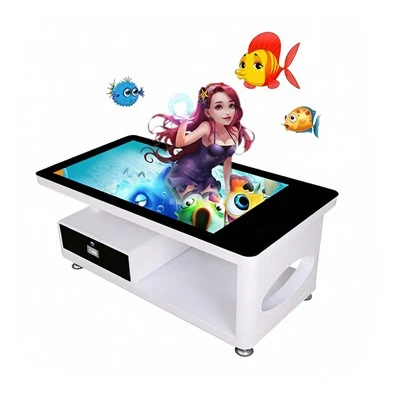
Oh, and don’t sleep on interactive holograms. A lot of people still think these displays are just passive videos. But the newest models let users interact with the hologram through touch, motion sensors, even voice commands. A fast-food chain tested a unit last month where customers could “pick up” a holographic burger to see its nutritional info, then tap to add it to their order. No screen required—just hand gestures. We’ve had to update our training materials a lot because in the past, we just showed clients how to upload content. Now, we walk them through how to set up motion detection zones, voice triggers, even basic gamification elements. One of our recent favorite projects was a toy brand that made a hologram dinosaur that roars and moves when a kid waves at it—sales for that toy line jumped 28% in the stores where it was featured. That’s not just a display; it’s a conversation starter.
Now, let’s talk about the “quiet” trends that are actually driving a lot of this change, like sustainability. Wait, how does a hologram showcase tie into sustainability? Let’s be real—old hologram setups were energy hogs, and a lot of the projection systems used back in the day were bulky, hard to recycle, and often ended up in landfills. But the new fan-based displays? They use 70% less energy than a standard LED TV, and most of the parts are recyclable. We recently started offering clients a take-back program for old units, so we can refurbish them or recycle the components instead of throwing them away. A lot of our clients, especially eco-focused brands, are asking for that now. It’s not just a buzzword for them—they actually want to cut their carbon footprint, and our units let them do that while still getting the attention-grabbing display they need.
Another under-the-radar trend: miniaturization. A couple years ago, hologram showcases were big—like, 4 feet wide, heavy, and only good for store windows or trade show booths. Now, we’re making units that are as small as a tablet, about 10 inches across. They’re used in places like checkout counters, restaurant tables, even trade show badge scanners. A tech startup I work with used a mini unit at a conference to display their new smartwatch—instead of a giant booth, they put a $50 unit on a small table, and it generated 3x more leads than their 20×20 booth last year. People are surprised when they see these small units, so they stop to check it out, and since they’re portable, you can take them anywhere. We’re also seeing a lot of demand for “wall-mountable” units now, which are slim enough to hang on a wall like a TV, but project a 3D hologram. That’s huge for retail stores that are tight on space.
Wait, let’s be honest—there are still mistakes businesses make with hologram showcases, and I see them all the time. A lot of brands think if they just get a hologram, sales will magically go up. No. The best hologram content isn’t just a 3D model of their product—it’s content that tells a story. Last quarter, a furniture brand came to me with a hologram of a couch, but it was just spinning in a dark box. It didn’t sell any extra couches. Then, a few weeks later, the same brand came back and asked to add a hologram of a family sitting on the couch, talking about how comfortable it was, plus a live link to their online store. That one boosted sales by 35% in the first month. Content matters more than the tech itself, and that’s a trend I’m really glad to see—brands are stopping for flash and starting to focus on what their customers actually want to see.
Also, let’s touch on accessibility. A lot of people don’t talk about this, but hologram showcases used to be hard for people with disabilities to engage with. For example, visually impaired customers couldn’t see the 3D image, and people with autism might find the spinning lights overwhelming. But the latest units have built-in accessibility features: audio descriptions for visually impaired users, adjustable brightness for people sensitive to light, and even text-to-speech for interactive prompts. We worked with a museum last year that added audio descriptions to their hologram exhibits of ancient artifacts, and they reported a 40% increase in visits from visually impaired guests. That’s not just a nice-to-have—it’s required for a lot of brands that want to be inclusive.
Now, if you’re a business owner reading this, you’re probably wondering: what do these trends mean for me? Let’s break it down. If you’re a small retail brand, a mini interactive unit with basic integration to your POS is perfect. If you’re a mid-sized brand with multiple stores, a modular system that can be customized for each location is key. If you’re an event planner, portable, easy-to-set-up units that don’t require a lot of wiring are your best bet. And if sustainability matters to you, look for units that are energy-efficient and have take-back programs.
I’ve been in this game long enough to know that hologram showcases aren’t a fad—they’re here to stay. But they’re not just for big brands with huge budgets anymore. The tech is getting cheaper, more flexible, and tailored to what small businesses actually need. Last year, we sold units to a local bakery that used a hologram of their cake to display custom designs, a gym that used a hologram of workout equipment to show how it works, and a library that used holograms of famous authors for kids’ storytime. None of these businesses had big marketing budgets, but the hologram displays helped them stand out in a crowded market.
If you’re thinking about adding a hologram showcase to your space, don’t just go for the cheapest unit you can find. Look for one that can integrate with your existing tools, has interactive features if that makes sense for your audience, and pays attention to accessibility. And if you’re not sure what you need, just reach out—we work with businesses of all sizes to figure out the right setup, no long contracts or confusing jargon. We don’t sell one-size-fits-all units; we sell solutions that work for your specific goals.

At the end of the day, the best hologram showcase isn’t the one that looks the coolest—it’s the one that connects you with your customers. Whether it’s a small unit on your checkout counter, a wall-mounted display in your store, or a portable unit for trade shows, the latest trends are all about making holograms work for you, not the other way around. So if you’re ready to stop settling for generic displays and get something that actually drives results, let’s chat. We can walk through your needs, show you what’s possible, and get you set up with a unit that fits your budget and your brand.
Interactive Touch Screen References
- Retail Technology Trends Report 2024, National Retail Federation
- Interactive Hologram Display Market Analysis, Grand View Research
- Sustainability in Commercial Display Equipment, EcoTech Industries 2023 Whitepaper
- Accessibility Standards for Digital Exhibits, International Association of Exhibitions and Events
Shanghai Vestouch Electronics Co., Ltd.
We are one of the most professional hologram showcase manufacturers and suppliers in China, also support customized service. Please feel free to wholesale bulk advanced hologram showcase in stock here from our factory. Welcome to contact us for quotation.
Address: Building 8, No.1098 Chuansha Road, Pudong New Area, Shanghai.
E-mail: yihong@vestouch.com
WebSite: https://www.cnvestouch.com/
