As a poncho fabric supplier, I get asked all sorts of unexpected questions about our materials. Last week, a small event planner reached out and asked, “Can poncho fabric be used for a tablecloth?” I’ll admit, I didn’t jump straight to a yes or no—instead, I grabbed a swatch of our most popular water-resistant poncho fabric and thought through the practical, functional, and even aesthetic angles. For anyone who’s ever wondered if this versatile material belongs on a dining table instead of around shoulders, here’s the real breakdown from someone who sells poncho fabric daily, not just from a spec sheet. Poncho Fabric
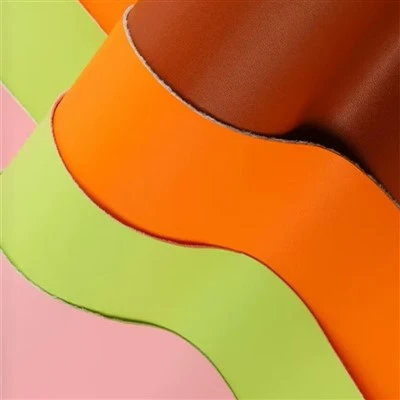
First, let’s get clear on what makes poncho fabric what it is. Most quality poncho fabric (the kind we supply, not the cheap disposable stuff) is a lightweight, tear-resistant textile with built-in water repellency. It’s designed to cover your upper body during rain, wind, or messy outdoor activities without weighing you down, so that core set of properties transfers pretty directly to tablecloth use. Let’s start with the biggest practical win: stain resistance. When you host a backyard BBQ, a picnic, or even a casual family dinner where spaghetti sauce or wine might go astray, a poncho fabric tablecloth is way easier to clean than cotton or linen. That’s because the durable water repellent (DWR) coating that makes ponchos bead up rain also makes food and liquid sit on top of the fabric instead of soaking in. I’ve had customers test this: spill a glass of red wine on a poncho fabric swatch, and it rolls right off if you dab it quickly, leaving no stain. No scrubbing, no pretreating, no tossing it in the washing machine for an hour. For anyone who hates the headache of cleaning tablecloths, that’s a non-negotiable plus.
Next, durability. Poncho fabric is engineered to hold up to rough wear—think being stuffed in a backpack, dragged through wet grass, or bunched up in a car. A tablecloth made from this material won’t fray after a single use if you’re setting it up for a party, or even hold up through weekly dinner parties for months. It’s also flexible, so it drapes nicely over round or square tables without being stiff like vinyl tablecloths, but it’s not so flimsy that it slips off table edges every time someone reaches for a plate. We supply poncho fabric that’s also UV-resistant, which is a huge bonus for outdoor table settings. Unlike cotton that fades in sunlight after a few weeks, our poncho fabric keeps its color even when it’s set up on a patio for weekend get-togethers. That’s something you can’t say about most generic outdoor tablecloths.
But wait—this isn’t a one-size-fits-all solution. There are a few key factors to consider before using poncho fabric as a tablecloth, and as a supplier, I always make sure to walk potential buyers through these. First, thickness. Most standard poncho fabric is lightweight (usually 5-7 ounces per square yard), which works great for casual, laid-back settings like picnics, beach bonfires, or kid’s birthday parties where you don’t need a super formal look. If you’re hosting a black-tie dinner or a wedding, this lightweight fabric might feel too casual. For that, we do supply a heavier-weight 10-ounce poncho fabric blend that has a bit more body—enough to hold a crisp fold for a more polished event, though it still doesn’t have the soft, luxurious drape of silk or linen.
Another consideration is breathability. Poncho fabric is designed to keep water out, which means it’s not highly breathable. If you’re using it indoors in a small space where the tablecloth will sit on the table for hours, it might trap a bit of moisture, especially if you’re serving hot dishes. That’s not a problem with outdoor use where air circulates, but for indoor formal events, you might want to pair a poncho fabric tablecloth with a thin cotton liner if you’re worried about condensation from hot plates leaving marks. I always mention that to customers testing the material for indoor use—it’s a small fix that solves that minor issue.
A lot of people also ask about the aesthetic side, and honestly, poncho fabric is more versatile than you’d think. Our poncho fabric comes in dozens of colors—from solid neutrals like navy, charcoal, and cream to bright patterns like tropical palm prints, geometric designs, and even subtle plaids. We’ve had customers use the fabric to make tablecloths for everything from rustic garden weddings to music festival pop-up restaurants. The matte finish of most poncho fabric gives it a modern, understated look, while the printed patterns add a playful, casual vibe that works for laid-back events. The key is matching the fabric weight and pattern to the occasion—lightweight solid poncho fabric for a picnic, heavier printed fabric for a backyard party, neutral solid for a corporate outdoor event.
I’ve also noticed some unexpected use cases for poncho fabric tablecloths that go beyond standard dining. A local camping gear retailer started buying small batches of our poncho fabric to make custom picnic table covers—they’re water-resistant, don’t take up much space in a backpack, and can be wiped clean instead of washed. Another wedding planner used our lightweight patterned poncho fabric for dessert tables at a beach wedding, because it held up to sand and a sudden drizzle way better than linen. Even home cooks have told me they use a small piece of poncho fabric as a counter cover when roasting messy dishes like ribs or when doing baking, so they don’t have to deep clean their counters.
Of course, there are a few caveats that come with using poncho fabric as a tablecloth, and I never sugarcoat those for customers. First, it’s not heat-resistant. You can’t set a hot pan straight from the oven onto a poncho fabric tablecloth—just like you wouldn’t on vinyl or most synthetic tablecloths. Poncho fabric is designed to withstand mild temperatures, but high heat will melt or damage the DWR coating, which is the part that makes it water and stain resistant. So you’ll need a trivet or a heat pad for hot dishes, which is standard for any tablecloth anyway. Second, it’s not disposable. While some poncho fabrics are cheap, the quality we supply is meant for repeat use, so it’s a bit of an investment upfront, but way more cost-effective than buying new tablecloths for every event. Third, if you’re looking for a tablecloth with a lot of drape or a soft, luxurious feel, poncho fabric won’t replicate that. It’s a functional, durable choice first—beauty is a secondary bonus for most people who use it this way.
As a supplier, I also love that poncho fabric is a more sustainable alternative to many disposable or synthetic tablecloths. The quality fabric we sell is made to last for years, so instead of throwing away a paper tablecloth after one BBQ, you can wash a poncho fabric tablecloth, fold it up, and use it again. Most of our poncho fabrics are also manufactured with recycled materials, which is a big plus for event planners or home cooks looking to reduce their waste. That’s a huge selling point for customers who care about both function and sustainability.
If you’re considering using poncho fabric for a tablecloth, here’s how I recommend getting started: First, figure out the use case. If it’s for casual outdoor events, picnics, or kid’s parties, standard lightweight poncho fabric is perfect. If it’s for slightly more formal outdoor events or events where you need a bit more structure, go for the heavier-weight blend. Second, test a swatch. I always send small swatches to customers before they place a bulk order, so they can see how the fabric drapes, test its water resistance, and check the color in natural light. Third, plan for care. Poncho fabric is super easy to clean—just wipe it down with a damp cloth and mild soap for most spills, or toss it in the washing machine on a gentle cycle if it’s heavily soiled, then hang it to dry. Don’t use fabric softener, because that will break down the DWR coating, but other than that, it’s low maintenance.
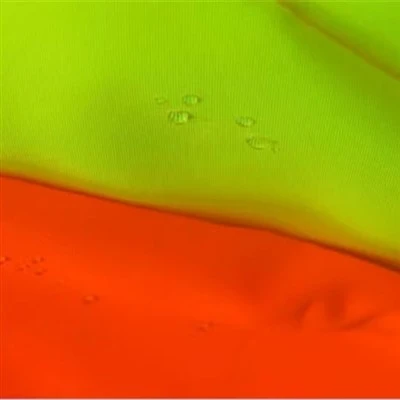
At the end of the day, the answer to “Can poncho fabric be used for a tablecloth?” is a resounding yes—for the right use case. It’s not the best choice for every formal indoor dinner, but for casual, outdoor, high-mess events, it’s a game-changer that’s functional, durable, and even stylish. If you’re looking to source poncho fabric for tablecloths, custom projects, or any other use, reach out to our team to discuss your needs and get a quote. We can provide custom cuts, bulk pricing, and guidance on the right fabric weight and finish for your specific project.
Shade Cloth Reference:
- Textile Institute. Performance Properties of Functional Fabrics. Textile Progress, 2021.
- Outdoor Industry Association. Sustainable Materials Guide for Event and Hospitality Use. 2022.
- Fabric Care Council. Best Practices for Maintaining Durable Water Repellent (DWR) Fabrics. 2023.
- Event Decor Association. Trend Report: Non-Traditional Table Linens for 2024. 2024.
Wujiang Jiashunxin Spray Weaving Co., Ltd.
As one of the most professional poncho fabric manufacturers and suppliers in China, we’re featured by quality products and good service. We warmly welcome you to wholesale bulk customized poncho fabric from our factory. If you have any enquiry about free sample, please feel free to email us.
Address: Xingli New Village, Lili Town, Wujiang District, Suzhou City, Jiangsu Province
E-mail: xuzhiqiang20260525@163.com
WebSite: https://www.shunbangfabric.com/
