If you’ve ever walked down the snack aisle, seen a jar of sun-dried apricots, candied mango slices, or chewy prunes, and grabbed a handful without a second thought—raise your hand if that’s you. As someone who’s been in the preserved fruit business for over a decade, I’ve seen preserved fruit go from a niche, traditional snack to a go-to for busy parents, gym-goers, and anyone craving a sweet fix without reaching for a candy bar. But over the years, I’ve also gotten dozens of questions from customers: “Is this actually good for me?” “What’s really in these fruit slices?” and most importantly, “What side effects should I watch for?” Preserved Fruit

It’s a fair question. Preserved fruit is often positioned as a healthier alternative to sugary candies, but the process of preserving fruit—whether that’s candying, drying, adding preservatives, or canning—changes the fruit’s natural makeup. Let’s cut through the marketing hype and talk about the real side effects, backed by science, and what we as suppliers do to keep our products safe (and honest) for everyone.
First, let’s be clear: “preserved fruit” isn’t a single thing. The category includes everything from dried fruit (no added sugar, just fruit and maybe sulfur dioxide) to candied fruit (cooked in heavy sugar syrups) to fruit preserved with artificial preservatives for a long shelf life. Each type comes with its own risks, and I’ll break them down one by one.
The biggest side effect I hear about from customers is blood sugar spikes, and for good reason. Most preserved fruit—especially the candied kind—packs a ton of added sugar. Take candied pineapple, for example. A 1/4 cup serving of our traditional candied pineapple has around 28 grams of sugar, 20 of which are added. That’s almost as much as a chocolate chip cookie from a local bakery. When you eat that, your body digests the sugar quickly, leading to a rapid rise in blood glucose. For people with type 2 diabetes or insulin resistance, this can be a real problem. Even for people without those conditions, a spike followed by a crash can leave you feeling tired, irritable, and craving more sugary snacks within an hour.
Wait, but what about dried fruit? I get this question all the time. Dried fruit is often marketed as “natural” because it’s just fruit with water removed, right? Well, yes and no. Some dried fruits have no added sugar, but even natural fruit sugar (fructose) becomes concentrated when water is taken out. A 1/4 cup of dried apricots has about 15 grams of sugar, all natural, but since it’s concentrated, eating a big handful is like eating five whole fresh apricots at once. For people watching their sugar intake, that adds up fast. A 2019 study in the Journal of the Academy of Nutrition and Dietetics found that regularly eating large amounts of dried fruit was linked to higher fasting blood sugar levels in adults, even when no added sugar was present. That’s not to say dried fruit is bad—it’s just easy to overeat because it’s chewy and portable. I’ve seen customers eat half a bag of dried mango in one sitting without realizing how much sugar they’re consuming.
Another common side effect is digestive issues, and this one hits both kids and adults hard. The main culprit here is sorbitol, a sugar alcohol that’s often used as a sweetener in sugar-free preserved fruit, or that occurs naturally in large amounts in some dried fruits like prunes, apples, and pears. Sorbitol is not fully absorbed by the small intestine, so when it moves to the large intestine, it draws water into the gut and gets fermented by bacteria, leading to bloating, gas, diarrhea, and stomach cramps. I remember a few years ago, a mom came into our warehouse upset because her 7-year-old had diarrhea after eating a bag of our sugar-free prune snacks. Turns out, she’d given him three bags in one afternoon, not realizing how much sorbitol was in them. The pediatrician told her it’s a common issue—kids are more sensitive to sorbitol than adults, and even small excesses can cause problems.
Then there’s sulfur dioxide, a preservative used in many dried fruits (like raisins, apricots, and peaches) to keep them looking bright and prevent browning. Sulfur dioxide is generally recognized as safe by the FDA, but it can trigger allergic reactions in some people, especially those with asthma. Symptoms range from mild wheezing and hives to severe anaphylaxis in rare cases. I’ve seen this show up in customers who buy dried apricots and end up with a stuffy nose or tight chest. That’s why our company started offering a line of sulfur-free dried fruit a few years ago—we noticed a lot of our customers were asking for it, and it’s the right thing to do for people with sensitivities.
Wait, what about the other preservatives? Some preserved fruit uses artificial preservatives like sodium benzoate or potassium sorbate to extend shelf life. While these are safe in small amounts, some studies have linked high intake of certain preservatives to hyperactivity in children. A 2007 study by the University of Southampton found that artificial food additives, including sodium benzoate, increased hyperactive behavior in kids. We take this seriously, which is why we limit the use of artificial preservatives in our products and clearly label all ingredients so parents can make informed choices for their kids.
There’s also a less talked-about side effect: dental issues. Preserved fruit—whether candied or dried—sticks to teeth, especially the molars. The sugar (whether added or natural) feeds the bacteria in your mouth, which produce acids that erode tooth enamel over time. I worked with a dentist a few years ago who told me that she sees an increase in cavities in kids who eat a lot of dried fruit, not just candy. The dried fruit gets stuck in the grooves of their teeth for hours after eating, which is way longer than a sugary soda that’s washed away by saliva. That’s why we always recommend eating preserved fruit with meals, when saliva flow is higher and helps wash away the residue, and brushing teeth after if possible.
Now, I want to be clear that this isn’t a “preserved fruit is evil” rant. We’ve been supplying preserved fruit for over 15 years, and many of our customers eat our products regularly and love them. The key is understanding these side effects and making informed choices, which is why our company has always prioritized transparency. Let’s talk about what we do as a supplier to minimize these risks, because I know a lot of suppliers cut corners here.
First, we offer a range of products for different needs. We have traditional candied fruit for people who love the old-fashioned taste, but we also have unsweetened dried fruit, sugar-free options (with xylitol instead of sorbitol, which is gentler on digestion), and organic preserved fruit with no artificial preservatives. That way, customers can pick what works for their body.
Second, we strictly follow serving sizes on our packaging. We know it’s tempting to eat the whole bag, so we make the serving size clear and easy to read, and we even include a line on the nutrition label about how many servings are in a container. We also don’t overprocess our fruit. A lot of preserved fruit suppliers use high heat or long cooking times that destroy nutrients, but we use low-temperature drying for our dried fruit to keep as much of the vitamins and fiber as possible. Fiber is actually a big plus—fiber helps slow down sugar absorption, so it reduces that blood sugar spike I talked about earlier. Our dried apricots have 3 grams of fiber per serving, which is 10% of your daily needs. That helps balance out the natural sugar.
Third, we test all our products for additives and contaminants. As a supplier, we have a responsibility to make sure our products are safe, so we do third-party testing for sulfur dioxide, preservatives, and heavy metals. I’ve seen suppliers cut corners here, and that’s why some preserved fruit has higher levels of unwanted additives. We never do that—our test results are available to anyone who asks, because transparency is non-negotiable for us.
But let’s get back to the side effects, because it’s not just about the product—it’s about how you eat it. I talk to a lot of customers who tell me they eat a handful of dried fruit every day as a “healthy snack,” but they don’t realize that’s overdoing it. The American Heart Association recommends that men limit added sugar to 36 grams a day, and women to 25 grams. A single serving of our candied pineapple is 28 grams of added sugar—so if you eat that for a snack, plus a piece of yogurt with added sugar, that’s almost all your daily added sugar. That’s why portion control is key.
Another thing: people with existing conditions need to be extra careful. If you have diabetes, talk to your doctor about how much preserved fruit you can eat, since it can affect your blood sugar. If you have IBS, the sorbitol in many dried fruits can trigger flare-ups, so you may want to avoid them or pick products sweetened with xylitol instead. If you have asthma, check for sulfur dioxide on the label and opt for sulfur-free options.
I also want to address a common misconception: “natural sugar is better than added sugar.” For the most part, yes—natural sugar comes with vitamins, minerals, and fiber, while added sugar is empty calories with no nutritional value. But when it’s concentrated in dried fruit, it still adds up to the same number of calories per gram as added sugar, and it can still spike your blood sugar if you eat too much. That’s an important distinction I wish more people knew.
Let me share a personal story to put this in perspective. A few years ago, I had a friend who started eating dried fruit every day to lose weight. She would eat a whole bag of dried mango for lunch, thinking it was a healthy alternative to a sandwich. After a month, she went to the doctor and found out her blood sugar was elevated, and she’d gained 5 pounds. That’s the thing about concentrated fruit—it’s easy to underestimate how much you’re eating. Now, she eats one serving of dried mango a day, paired with a handful of nuts for protein, and her levels are back to normal. That’s the balance.
As a preserved fruit supplier, my goal isn’t to sell as much product as possible. It’s to sell high-quality, safe products that people can enjoy without worrying about unnecessary side effects. I’ve been in this long enough to see the bad and the good—suppliers who cut corners, and customers who get hurt, and suppliers who care, and customers who love our products because they trust them. The side effects of preserved fruit aren’t something to fear, but they’re something to be aware of. That’s why we’re always updating our products, listening to our customers, and educating people about how to eat preserved fruit in a way that works for their body.
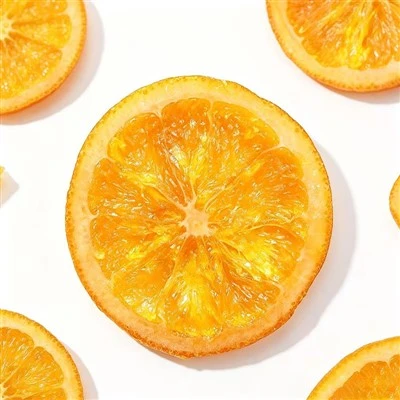
If you’re a retailer, café, or business owner looking for a preserved fruit supplier that prioritizes quality, transparency, and safety, we’d love to connect. Whether you need candied fruit for bakery products, dried fruit for snack lines, or specialized options for customers with dietary needs, we can work with you to find the right fit. Get in touch with us to discuss your needs and place an order.
Dried Fruit Snacks REFERENCES:
- Journal of the Academy of Nutrition and Dietetics. (2019). Association between dried fruit intake and cardiometabolic risk factors in U.S. adults.
- University of Southampton. (2007). The effect of artificial food additives on hyperactive behavior in children: a community-based study.
- American Heart Association. (2023). Added sugars intake for adults and children.
- National Institute of Diabetes and Digestive and Kidney Diseases. (2022). Sorbitol and digestive health: what you need to know.
- U.S. Food and Drug Administration. (2021). Sulfur dioxide in food: safety and labeling.
Gayafru Food (Hangzhou) Co., Ltd.
As one of the most professional preserved fruit manufacturers and suppliers in China, we have world-leading production equipment and strong manufacturing capabilities. Please rest assured to buy bulk high quality preserved fruit made in China here from our factory.
Address: 2nd Floor, Building 5, No.513-523 Shunda Road, Economic and Technological Development Zone, Linping District, Hangzhou City, Zhejiang Province, China
E-mail: shenhuafang216@foxmail.com
WebSite: https://www.gayafru.com/
