Hey everyone, let’s cut to the chase: if you’re a baseball player, coach, or even just someone who owns a baseball helmet for rec league pickups, you’ve definitely dealt with that unmistakeable “helmet smell.” You know the one—sweaty forehead mixed with a little bit of gear dust that’s been baked inside by 8 straight summer practices. As a baseball helmet supplier, I’ve seen this issue come up nonstop, and it’s way more gross than it sounds. Leaving that smell hanging around doesn’t just make your pre-game routine awkward; that buildup can actually mess with the helmet’s fit over time, too. So today, I’m breaking down the real, science-backed way to get rid of that stench, no gimmicks required. Baseball Helmet

First off, let’s talk about why that smell happens in the first place—because if you know the root cause, you’ll know how to actually kill it, not just mask it. The bad smell in your helmet isn’t just old sweat, it’s bacteria and fungi. Those little guys love dark, warm, moist places, and the inside of a helmet is their dream home. The padding—specifically the sweat-absorbing foam and fabric liners inside—traps all that moisture from your head, then holds it against your scalp, which feeds the bacteria. After a few weeks of back-to-back games or practices, that colony builds up, and that’s when the smell kicks in. A lot of people try to just spray a bunch of air freshener and call it a day, but that doesn’t touch the bacteria. It just smells like a fancy cleaning spray mixed with rot for a week, and then the stench comes right back. Trust me, I’ve talked to dozens of players who told me that trick didn’t work for them.
Now, let’s get into the step-by-step process, because this is doable for anyone, even if you’re not a sports gear nerd. First, you have to prep the helmet right—you can’t just dunk the whole thing in water, that’ll ruin the hard shell’s protective coating and break down the straps. Here’s the first move: take out all the removable parts first. That means the foam liners, the sweatband, the facemask padding, even the chin strap. Wait, why remove all that? Because those are where 90% of the bacteria lives. I’ve seen way too many people just spray the inside of the shell and call it done, but the padding is the real culprit. If your helmet’s liners are glued on, don’t try to yank ’em off—contact us and we can send you replacement liners super cheap, no hassle.
Next, the cleaning solution. Don’t use harsh chemicals like bleach or laundry detergent. Those can eat away at the foam, make the liners fall apart, and even irritate your skin when you put the helmet back on. The best mix? It’s simple, and it’s something most people already have in their cabinets: 1 part white vinegar, 4 parts cool water, plus a tiny drop of gentle dish soap (like Dawn or Seventh Generation, something that’s not heavy-duty). Vinegar is the secret here—its acidic properties kill bacteria and fungi, and it neutralizes odors instead of just covering them up. That’s way better than any fancy “sport gear cleaner” you can buy at a big box store, and way more effective.
Now, let’s clean the removable parts first. Grab a clean sponge or a soft cloth (don’t use a scouring pad, that’ll scratch the foam). Dip it into your vinegar solution, wring it out so it’s not dripping—you don’t want to soak the liners, that’ll take forever to dry and mold can grow. Wipe down every inch of the liners: the parts that touch your forehead, the sides, even the edges where your head rests. Then, for the chin strap and facemask padding, rub them gently with the same solution, don’t scrub hard. If the liners are extra stinky, you can let them soak in the vinegar mix for 10 minutes before wiping—just don’t leave them in longer than that, because vinegar can break down the fabric over time if it sits too long.
Now the hard shell. The outside is easy—just wipe it down with a damp cloth and a little dish soap, same as your bike helmet or something. But the inside, where the padding goes? Don’t spray water directly. Instead, dampen a soft cloth with your vinegar solution, wring it out all the way, and wipe every inside surface: the areas where the liners attach, the top, the sides, even the little nooks around the facemask openings. You want to get rid of all the sweat buildup there without soaking anything. If your helmet has a plastic sweat bar across the front, that’s another spot where bacteria loves to hide—give that a good scrub with the damp cloth too.
This part is super important: drying. If you skip proper drying, you’ll just get more mold and bacteria, and the smell will come back in a week. Don’t set it on a sunny windowsill where it can get too hot—extreme heat can warp the helmet shell, which is a safety no-no for baseball. Instead, set all the parts (removable liners, straps, shell) in a well-ventilated area, like a counter near a fan, or even outside in the shade. Leave them for at least 24 hours. If you’re in a humid area, you can prop the liners up a little so air circulates underneath. I always tell my customers, if it’s still damp after 24 hours, leave it another day—rushing this step is what makes people go back to masking the smell later.
Wait, what if the smell is extra bad, like you’ve been using the same helmet for months without cleaning? You can amp up the solution a little—use equal parts vinegar and water, but still only a tiny drop of dish soap. You can also add a small amount of baking soda to the solution, which is extra good at neutralizing stubborn odors. Just don’t overdo the baking soda, or you’ll get a powdery residue on the liners. If your liners are really worn out, even after cleaning, it might be time to replace ’em. We sell replacement liners for almost every baseball helmet we supply, so hit us up if you need that instead of fighting to get the old ones clean.
Now, what about prevention? Because cleaning every month is a pain, so let’s make it easier. First, keep a small sweat towel in your helmet bag. Wipe down the inside of your helmet after every use, especially if you’re playing in hot weather. Even a quick wipe will cut down on how much sweat builds up, so you won’t have to deep clean as often. Second, don’t leave your helmet in your car for hours after practice—those hot cars are bacteria factories. If you’re done playing, take your helmet inside and set it somewhere to air out, not toss it in the backseat with your cleats. Third, if you share helmets (which is super common in rec leagues), make sure you or the owner cleans it after each use—no one wants to wear someone else’s stinky bacteria nest.
I’ve seen a lot of bad advice online, like putting your helmet in the washing machine or dryer. Don’t do that. The agitation and heat will warp the hard shell, tear the liners, and ruin the helmet’s protection. That’s not just a hassle— a warped helmet doesn’t fit right, which means it won’t do its job if you take a ball to the head. Another bad tip: putting your helmet in the freezer. That’s a old wives’ tale—freezing kills some surface bacteria, but it doesn’t get rid of the moisture trapped inside, so the smell comes back once it thaws. Stick to the vinegar solution and proper drying, that’s way more reliable.
As a baseball helmet supplier, my main goal isn’t just to sell helmets—it’s to make sure you’re using them safely and comfortably. A clean helmet isn’t just about not smelling like a locker room; it’s about keeping your gear in good shape, so it lasts longer, and fitting right, so you stay protected. If you’re a team manager looking to restock helmets, or a player needing replacement liners, get in touch with us. We’ve got a range of sizes for youth all the way up to adult, and all our gear meets official baseball safety standards.
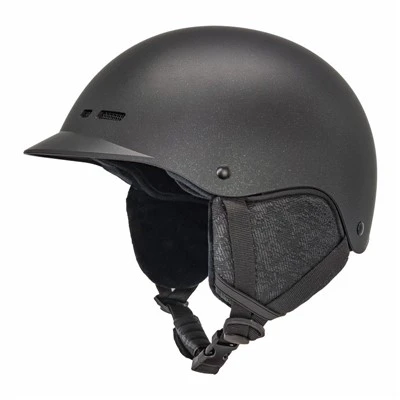
Don’t wait until your helmet smells so bad your teammates are giving you side-eye. A quick deep clean every 4-6 weeks (or more if you play daily) is way easier than dealing with the smell or replacing a helmet too soon. Take the time to pull out those liners, use the vinegar mix, and let everything dry properly—you’ll notice the difference right when you put it on.
Ski Helmet with Visor References
- Centers for Disease Control and Prevention. (2022). Germs and bacteria in sports equipment. Public Health and Sports Safety Division.
- American Academy of Pediatrics. (2021). Guide to maintaining protective sports gear for children and teens.
- International Sports Equipment Manufacturers Association. (2023). Best practices for cleaning and sanitizing hard-shell athletic helmets.
- Journal of Sports Sciences. (2020). Odor-causing microbes in contact sports equipment and effective mitigation strategies.
Spirit Sports (HK) Co., Ltd.
We are one of the most professional baseball helmet manufacturers and suppliers in China. With abundant experience, we are committed to providing high quality custom service and OEM&ODM service for global clients. Please feel free to wholesale bulk high quality baseball helmet at competitive price from our factory.
Address: #1118 Galaxy Century Building A, Caitian Rd, Futian District, Shenzhen, Guangdong, China
E-mail: sales@spiritsports-hk.com
WebSite: https://www.helmet-supplier.com/
