Hey everyone, it’s Jake from the porcelain insulator team here – we’re out in the field all the time, talking to utility managers, line techs, and even small solar farm owners who come to us with the same question: “Do porcelain insulators need to be grounded?” And honestly? It’s way more common than you’d think, especially for folks who’ve been in the industry a few years and picked up outdated info along the way. Let’s break this down like we do over a post-shift coffee at our warehouse, no stuffy jargon, just straight facts from people who install these bad boys every single day. Porcelain Insulator
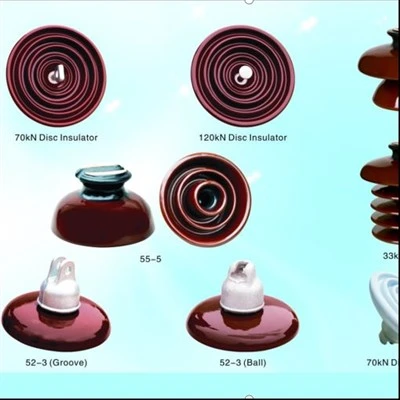
First off, let’s start with what a porcelain insulator even does, for anyone who’s new to the game. Their whole job is to keep high-voltage power lines separated from the metal utility poles, transmission towers, and the ground – right? Like, if you’ve got a power line carrying 10kV, 110kV, or even 500kV, you don’t want that current leaking into the metal structure that’s bolted to the dirt. That’s where porcelain comes in – it’s an excellent dielectric, so it stops current from passing through it. So why would anyone even ask about grounding them? That’s the confusion right there. Most people mix up “grounding the insulator” with “grounding the structure the insulator’s mounted on,” and that’s a critical mix-up.
Wait, hold up – let’s clarify that right away, because it’s the root of half the calls we get. Grounding the pole or tower is non-negotiable, no exceptions. If your metal utility pole isn’t properly grounded, you’ve got a whole other problem: if the line ever loses insulation (like during a storm, or from an animal bumping into it), that current can arc through the air to the pole, and instead of dissipating into the ground, it’ll just sit there waiting to shock whoever touches it, or damage your equipment. But the porcelain insulator itself? Grounding it is a whole different beast, and most of the time, it’s not required – unless you’re dealing with a specific scenario.
Let’s get into the science here, simple version. Porcelain insulators work because their surface is clean and dry. But if that surface gets wet, dirty, or full of grime (think: road salt from winter, dust from construction, industrial pollution), the surface can develop a thin layer of conductive material. That’s called surface leakage, and it’s enough to cause small currents to leak through the porcelain to the structure. Now, if the structure is already grounded, that current goes straight to the ground – no problem, right? But wait, what if the insulator is mounted on a non-conductive structure? Like, some newer transmission lines use fiberglass poles instead of metal, or even wooden poles that aren’t grounded? That’s when you might need to ground the insulator, because there’s nowhere for that leakage current to go. Otherwise, that current can build up on the insulator’s metal end fittings (the caps and pins you see holding the line), which can cause corrosion, or even flashover – a big arc that jumps from the line to the pole, which is a huge safety hazard and can knock out power.
But here’s the thing: we’ve installed millions of porcelain insulators over the years, and 90% of the time, grounding the insulator itself is unnecessary. Let’s talk about the exceptions, because that’s where people get tripped up. First, high-contamination environments – like along a coastal area where salt air eats at everything, or near a factory that spews conductive dust. In those spots, even if your pole is grounded, the leakage current might be too high, so adding a ground strap to the insulator’s end can help dissipate that extra current before it causes damage. Second, low-voltage applications? Wait, no, even low-voltage (like 120V or 240V for street lights) – if you’re mounting a porcelain insulator on a non-grounded wooden pole, yeah, grounding the insulator is a good call to prevent static buildup. Third, distribution lines that are using ungrounded conductors – those are the ones that need a little extra ground path, and that’s where insulators get grounded.
Now, let’s bust some myths here because we hear these all the time. Myth #1: “All insulators need to be grounded to work.” Nope. If your structure is grounded, and the insulator is mounted correctly, it’ll do its job without a separate ground. We’ve got a customer in rural Ohio who’s been running 12kV lines on metal poles for 15 years – they never ground their insulators, and the only time they had an issue was when a storm left a tree branch knocking the insulator’s surface dirty, and their pole ground worked fine to bleed off the extra current. Myth #2: “Grounding an insulator improves its voltage rating.” No, the voltage rating is baked into the porcelain’s thickness and material when we make it. Grounding doesn’t make it insulate better – it just handles extra surface leakage. Myth #3: “Porcelain insulators corrode if not grounded.” Again, only if you’re in a high-contamination spot and not dissipating leakage current. If you’re in a normal environment, no problem.
Wait, let’s talk about maintenance, too, because that’s a big part of what we help customers with. If you do ground your insulators, you still need to check those ground connections every few years. The metal straps can corrode, especially in coastal areas, so if the connection breaks, you’re back to square one – leakage current can’t escape. If you don’t ground your insulators, your maintenance is simpler: just clean them annually, check for chips or cracks, and make sure the pole’s ground is intact. That’s a huge plus for utility teams with limited time and budget.
We also get a lot of questions about porcelain vs. other insulators, but let’s stay on topic here. Porcelain is still the go-to for most transmission and distribution lines because it’s durable, cheap, and way less likely to be damaged by UV rays than polymer insulators. But the rule about grounding applies the same, regardless of material – though some polymer insulators have different requirements, but that’s a whole other blog.
Now, let’s give a real example from a customer we worked with last year. A small solar farm in Arizona called us, saying their line insulators were developing flashovers during the monsoon season. They had wooden poles, which they weren’t grounding, and the monsoon dust mixed with rain created a conductive layer on the porcelain. We didn’t tell them to ground the insulators – wait, actually, we did, but explained why, and helped them pick the right size ground strap for their 66kV lines. A few months later, they hit us up saying the flashovers stopped, and their maintenance costs went down because they didn’t have to replace insulators every few months. That’s the kind of hands-on help we offer, not just selling you a product but walking you through what you actually need.
Another thing to consider: local codes. Some utility districts have specific rules about grounding insulators, especially in areas with high lightning activity. Lightning is a big one – if a line gets hit by lightning, the surge needs a path to ground. If your pole is grounded, that surge goes through the pole. If your insulator is grounded, it’s another path, but usually, the pole ground is enough. But if you’re in a spot with more than 20 thunderstorms a year, checking your insulator’s grounding is a good idea, per NFPA 70 standards – and yeah, we stay up to date on all those codes, so we can point you in the right direction.
Wait, let’s circle back to the original question: “Do porcelain insulators need to be grounded?” The short answer is: it depends. If your pole/tower is properly grounded, and you’re in a normal, low-contamination environment – no. If you’re in a high-contamination area, on a non-grounded structure, or dealing with ungrounded conductors – yes, it’s a good idea. And even then, it’s not a requirement for every single insulator in your line, usually just the ones in the highest-contamination spots.
But here’s the kicker: if you’re unsure, don’t just guess. That’s where we come in. We’ve been supplying porcelain insulators to utilities, contractors, and renewable energy projects for over a decade, so we can help you figure out exactly what you need for your specific setup. Whether you’re replacing old insulators on a 10kV distribution line, or outfitting a 500kV transmission tower, we’ll tell you if grounding is necessary, and what type of insulator works best for your environment.
Don’t make the mistake of grounding every single insulator just because you heard somewhere it’s a good idea – that’s a waste of money and adds unnecessary maintenance. And don’t skip grounding if you actually need it, because that can lead to power outages, equipment damage, or even safety issues. We’ve seen both sides: a guy in Texas who grounded all his insulators in a low-contamination area and ended up with corrosion on the ground straps that caused more issues, and a crew in Florida who skipped grounding their insulators near the coast and had 3 days of outages after a salt storm. That’s why we take the time to talk through each customer’s unique needs.

If you’re working on a project right now and aren’t sure about your porcelain insulators, hit us up for a chat. We won’t pressure you to buy something you don’t need – we’ll just give you straight advice based on our experience out in the field. Whether you’re a small local contractor or a big utility company, we’re here to help you get the right insulators and make sure your setup is safe and reliable.
Surge Arrestor References
- American National Standards Institute (ANSI) C29.2, Specifications for Porcelain Insulators
- National Fire Protection Association (NFPA) 70, National Electrical Code
- IEEE Std 957, Guide for Cleaning Insulators
- International Electrotechnical Commission (IEC) 602, Insulators for Overhead Lines
EC Insulator Jiangxi Co., Ltd.
EC Insulator Jiangxi Co., Ltd. is one of the most experienced porcelain insulator manufacturers and suppliers in China, also supports custom service. Please feel free to wholesale advanced porcelain insulator made in China here from our factory. Contact us for more details.
Address: Yuanyang Road, Wuyuan County, Shangrao City, Jiangxi Province China
E-mail: info@ec-insulators.com
WebSite: https://www.eci-elecglobal.com/
