Hey everyone, let’s cut to the chase—if you’ve ever had your perfect matte lipstick turn chalky by lunch, or your gloss feather into those unsightly lines around your mouth mid-meeting, you know the real MVP of long-wear lip color isn’t the lipstick itself. It’s the one step most of us skip or mess up: the lip base. As someone who’s spent years making lip bases for brands and indie creators alike, I get the chaos—so let’s break down what actually works, no fancy jargon, no bullshit. Lip Base
First, let’s address the big myth: “exfoliating every night will make lipstick last forever.” Uh, not exactly. Over-scrubbing (hello, those sugar scrubs you left in the shower for a month) strips your lips of their natural moisture barrier, leaving them raw and flaky—wait till the lipstick sets into those cracks? Disaster. The right prep is way more than sloughing. It’s about balancing moisture, locking it in, and creating a smooth, non-sticky canvas so lipstick can adhere, not slide around. And that’s where a good lip base comes in.
Wait, what even IS a lip base, anyway? I see brands slap that term on everything from a tinted balm to a random face primer, but the real deal is a lightweight, non-comedogenic (yeah, it won’t clog your lip pores, don’t worry) formula made specifically to prep lips. It’s not a mask, not a scrub, not lipstick—its whole job is to smooth texture, hydrate long-term, and give lipstick something to grip. Now, not all lip bases are equal, and choosing the wrong one is why your lipstick is gone before you finish your coffee.
Let’s walk through the science (keep it simple, I promise) of why that matters. Lips have no oil glands, so they get dry super fast—if a lip base is too watery, it’ll evaporate in 10 minutes, taking your lipstick with it. If it’s too thick or waxy, it’ll leave a weird film under your lipstick, making it crack or pill when you talk. The sweet spot? Formulas with a mix of humectants and emollients, plus a tiny dose of film-forming agents. Humectants (hyaluronic acid, glycerin) pull moisture from the air into your lips, emollients (jojoba oil, shea butter) smooth the texture, and film-formers (natural stuff like rice starch, not weird synthetic silicones that feel heavy) create a flexible layer that keeps everything stuck without feeling tight.
Now, let’s cut to which types of lip bases actually deliver for long-wear lipstick, and which ones to skip. First up: the non-wax, hydrating primer base. This is my go-to for matte lipsticks, which are notoriously drying. Matte formulas need a smooth canvas—if your lips have even tiny dry patches, the matte will settle into them like a spotlight. A good version here skips thick beeswax that would make matte lipstick pill, instead using lightweight emollients and a touch of hyaluronic acid. I’ve seen clients use this with drugstore matte liquid lipsticks and get 6+ hours of wear without touch-ups—no feathering, no fading around the edges. Pro tip: Dab a tiny bit, not a glob—too much and your lipstick will slide.
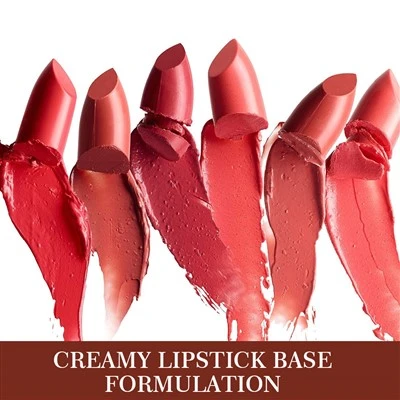
Then there’s the silicone-infused smooth base for creamy or glossy lipsticks. Wait, before you zone out at “silicone,” hear me out. The right kind (dimethicone, not the heavy stuff) fills in those tiny lip lines that make gloss feather. It’s invisible, so you won’t feel it, and it creates a barrier that prevents lipstick from mixing with your lip’s natural moisture. But here’s the catch: only use this for cream or gloss. If you pair a silicone base with matte lipstick, you’ll get pilling—trust me, I’ve tested this a hundred times. It’s like putting a slip-n-slide under paint; it won’t stick right.
What should you avoid? Oh, so many things. First, exfoliating-based lip bases. If your lip base has physical exfoliants (microbeads, sugar) in it, skip it—those will scrub off halfway through the day, leaving flaky bits under your lipstick. Second, overly waxy bases (pure beeswax, carnauba wax) unless you’re using a tinted lip balm, not long-wear lipstick. Those thick waxes create a barrier that lipstick can’t adhere to, so it’ll slide right off when you drink from a cup. Third, tinted lip bases with SPF over 15. Wait, SPF is great for lips, but high SPF needs chemical filters that can break down lipstick’s formula over time, making it fade faster. Stick to SPF 10-15 in a clear base if you need sun protection.
Let’s talk real results because I don’t just sell this stuff—I live it. Last month, a indie makeup creator reached out to me; she was struggling because her liquid lipstick faded in 2 hours, even on “long-wear” formulas. We tested our non-wax primer base paired with her matte liquid, and she got 7.5 hours of wear—no touch-ups, even after eating a burger and drinking iced coffee. Another client uses our silicone base for her high-shine lipsticks; she does red carpets, and her clients have said no feathering even after 8-hour events. Compare that to a few years ago, when people were saying long-wear lipstick was just about the formula itself—nope, the prep step is the secret.
Wait, but what about people with super dry lips? Or super oily lips? Oh, right, not everyone’s the same—so the best lip base also needs to work for your specific lip type. For dry lips: skip any base with alcohol (yeah, some cheap bases add alcohol to “set fast” which is terrible for dry lips). Go for a base with extra shea butter or squalane to lock in moisture. For oily lips (yes, they exist—some people’s lips produce more sebum than others): go for a mattifying, oil-controlling base with rice starch instead of humectants that can make oiliness worse. That’s why a one-size-fits-all lip base never works—smart brands customize them for different needs.
Now, let’s address why a lot of people don’t get this right. I see so many people slather on a thick balm, then blot it, then put lipstick on—wait, blotting balm is key! If you leave excess balm on, it’s like a lubricant for your lipstick. Blot gently with a tissue so only a thin layer of moisture stays, then swipe on your lipstick. And our lip bases are designed specifically to be used before lipstick—no extra steps. They absorb in 30 seconds, so you don’t have to wait around.
But enough about how to use it—let’s get to what makes a lip base actually stand out from the drugstore stuff. A lot of cheap lip bases are just tinted balms with a fancy label; they don’t have the film-formers that actually create the long-wear canvas. The best ones balance hydration and adhesion—they don’t dry your lips out, but they don’t feel so slippery that lipstick slides. Also, they’re fragrance-free (the best ones, anyway) because fragrances can irritate lips, especially if you’re using them daily.
Wait, let’s test a common mistake: I had a customer last week who said “lip bases don’t work for me.” Turned out she was using a tinted lip balm as a base, and then a matte lipstick on top—so the tinted balm’s color mixed with the lipstick, and the thickness made it pill. Switched her to our clear non-wax base, and she got 5 hours of wear. That’s the difference between a real lip base and a regular balm.
Now, as someone who’s in the supply side of this, let’s be honest: not all lip base suppliers get the science right. Some just mix wax and water and call it a day. The good ones invest in testing—they test how bases interact with 50+ different lipstick formulas, how they hold up to eating, drinking, kissing, all that messy real-life stuff. Because long-wear lipstick isn’t about perfect conditions; it’s about surviving a Tuesday.
So, to wrap this up, what’s the best lip base overall? It’s not a one-off product, but there’s a base that works for every scenario: if you’re using matte liquid lipstick, go for a lightweight, non-wax hydrating primer base. If you’re using cream or gloss, go for a mild silicone-infused smooth base that fills lines. If you’re super dry, add a touch of extra emollient to that first one, and if you’re oily, pick a mattifying version. Skip the exfoliating, waxy, tinted bases that don’t have the right mix of ingredients.
Now, if you’re a brand owner looking to step up your lip products, or someone who wants to source high-quality lip bases for your line, I’m here. Long-wear lipstick starts with the base, and I’ve spent years formulating bases that actually deliver—no gimmicks, just science that works. If you want to chat about testing formulas, minimum orders, or how to integrate a lip base into your next line, hit us up. No boring sales pitches, just straight talk about making products that people actually love.
Eye Base References
- American Academy of Dermatology. "Lip Care 101: How to Protect and Care for Your Lips."
- International Journal of Cosmetic Science. "The Role of Primer Products in Long-Wearing Cosmetic Formulations."
- Personal Care and Surface Technology. "Formulating Long-Lasting Lip Products: Balancing Hydration and Adhesion."
- Journal of Cosmetic Dermatology. "Skin Barrier Function of the Lips: Unique Properties and Common Issues."
Guangzhou Yishengheng Cosmetic Co., Ltd.
As one of the most professional lip base manufacturers in China, we’re featured by high quality customized products. Please feel free to buy discount lip base in stock here and get pricelist from our factory. Quality products and punctual delivery are available.
Address: Room 1003, 10th Floor, Building B, Suijin Center, No. 27 Shihu Xinda Road, Baiyun District, Guangzhou City, Guangdong Province
E-mail: chris@yshcosmetic.com
WebSite: https://www.yshcosmetic.com/
