What’s up, food lovers and wild ingredient fans? If you’ve ever stumbled across a bag of dried honey mushrooms (you know, the golden, slightly crinkly ones with that earthy, sweet whiff that sticks to your fingers) and wondered what the heck to do with ’em—beyond just tossing ’em into a random soup—you’re not alone. As someone who’s been in the dried honey mushroom game for the last 7 years (I still remember the first harvest I helped my uncle sort, back when I was 19 and way too eager to skip naps), I’ve got a ton of no-BS, tested ideas that don’t require you to be a Michelin-star chef. Dried Honey Mushroom
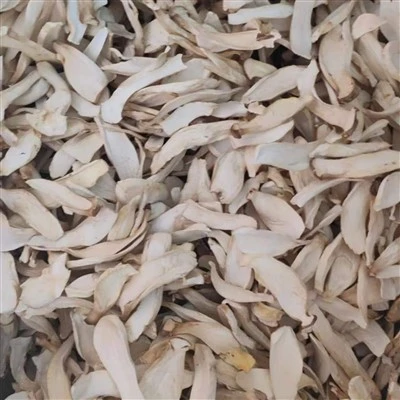
First off, let’s cut through the “dumb myths” I still hear from new customers: no, these aren’t just for fancy French sauces. Dried honey mushrooms (scientific name Armillaria mellea, in case you’re the type who nerds out) hold their flavor way better than fresh ones, actually. Fresh ones get slimy super fast if you don’t cook ’em right—dried? They lock in that natural sweet, slightly woody tang, and they’re way easier to store. No more guessing if that fresh batch in your fridge went bad yesterday; dried ones last 12+ months in a cool cupboard. Cool, right?
Let’s start with the everyday stuff, no fancy equipment needed. My go-to lazy hack: rehydrate a big handful (about a cup of dried = 3-4 cups rehydrated, fyi) in warm water for 15 minutes, squeeze out the excess, and toss ’em into your morning oatmeal. Wait, hear me out! The sweet umami kicks in way better than cinnamon or a spoonful of brown sugar. I do this every other weekday—no more boring porridge that leaves me hungry by 10 a.m. The mushrooms add a subtle, deep flavor that doesn’t overpower the oats, and you’re sneaking in a bunch of vitamins B and D (we’ll get to the health stuff later, promise).
If you’re into pasta (let’s be real, who isn’t?), dried honey mushrooms are a game-changer for bolognese or a simple cream sauce. I used to use canned mushrooms until I switched to dried ones. Here’s the trick: rehydrate ’em, then chop ’em up fine instead of leaving ’em whole. They blend right into the sauce, and their sweetness balances out the salty ground beef or heavy cream. Last month, a regular customer told me he uses this for his kid’s pasta—his 8-year-old asked for “the golden pasta sauce” every Friday. No weird textures, just that soft, earthy kick.
Now, the part where people go “wait, that’s cool”: soups and stews. But not just any soup. If you make a vegetable stew with carrots, potatoes, and onions, toss in rehydrated honey mushrooms about 20 minutes before it’s done. They soak up all the other flavors, and their natural sweetness cuts through the heaviness. I also swear by ’em in pho. Instead of only using beef bones, throw a handful of dried honey mushrooms into your broth while it simmers. It adds that umami depth that makes pho taste like it’s been simmering for 12 hours, even if you only do 4. I tested this with my roommate, who’s a pho snob—she didn’t notice the difference until I told her, then immediately asked for a second bowl.
Wait, can we talk about appetizers? I know, mushrooms as an appetizer sounds basic, but these are different. Take small crepes or mini phyllo cups, stuff ’em with sautéed rehydrated honey mushrooms, a dollop of goat cheese, and a sprinkle of thyme. Bake for 10 minutes, and you’ve got a party snack that everyone will rave about. Last fall, I brought these to a friend’s Halloween potluck, and half the guests asked where I got the mushrooms. No one guessed dried ones, either. Another favorite: pan-fried honey mushrooms with garlic and a splash of soy sauce, served on toasted baguette slices. It’s like a fancy bruschetta, way more interesting than tomato and basil.
Here’s a little tip I learned the hard way: don’t throw away the water you use to rehydrate the mushrooms. That golden, slightly cloudy liquid is packed with flavor—use it as broth for sauces, stir it into rice, or add it to soup. I even use it to make gravy for Thanksgiving turkey. A customer told me last year that her family now asks for “mushroom gravy” every holiday, and it’s all from that leftover soak water. Don’t waste that stuff, okay?
Now, let’s get real about why these are actually good for you, not just tasty. Dried honey mushrooms aren’t just a flavor booster—they’re loaded with nutrients. They have beta-glucans, which are good for your immune system (we could all use a little extra of that these days), and they’re high in fiber, which helps with digestion. Also, they’re low in calories, so you don’t have to feel guilty adding a handful to your meals. Wait, but let’s be clear: always cook ’em! Raw honey mushrooms can cause some stomach upset, so rehydrate and cook ’em properly, and you’re golden.
I know a lot of people who are into foraging, and I get it—foraging is fun. But if you’re new to it, dried honey mushrooms are way less risky. Some lookalikes (think honey fungus imposters) can be tricky for beginners, so buying dried ones from a trusted supplier like me means you don’t have to stress about picking the wrong mushroom. We source ours from sustainable farms in the Pacific Northwest, so you know they’re clean and safe to eat. No weird foraging fails here.
Wait, what about people who like to experiment? Dried honey mushrooms work in so many unexpected places. I’ve mixed ’em into pesto (blend ’em with basil, pine nuts, parmesan, and olive oil—adds a secret kick), and I’ve even used ’em in risotto. The key is to rehydrate first, then chop small so they don’t make the risotto too chunky. Last week, I tried them in a breakfast burrito—scrambled eggs, rehydrated honey mushrooms, a little cheese, and hot sauce. Game. Changer. Way better than a regular egg burrito.
Another thing: they’re great for meal prep. I always keep a big bag of dried honey mushrooms in my pantry, and when I’m meal prepping for the week, I rehydrate a batch on Sunday, then portion ’em out into containers. That way, I can toss ’em into any meal without having to do extra work during the week. No more last-minute “what do I cook?” stress.
I could go on forever—marinades (add rehydrated chopped mushrooms to steak or chicken marinades, it tenderizes the meat and adds flavor), even pickling! If you like pickled veggies, try pickling rehydrated honey mushrooms. They stay crunchy and tangy, perfect for adding to charcuterie boards or sandwiches. I made a batch last month, and my cousin now puts them on every burger he makes. They’re way more interesting than pickles.
But here’s the thing: I don’t just sell dried honey mushrooms—I’ve spent years testing what works, what doesn’t, and what people actually love to cook. A lot of suppliers just ship the product and leave you to figure it out, but I’m here to help. If you’ve tried using dried honey mushrooms for something wild (or even just a basic soup), hit me up. I love hearing what people come up with.
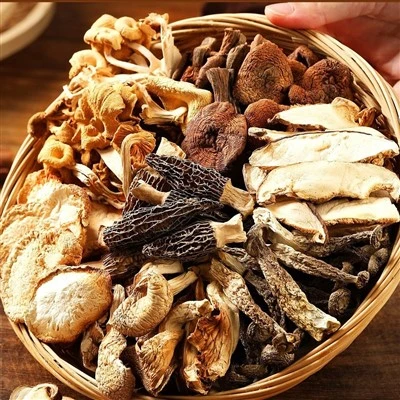
At the end of the day, dried honey mushrooms aren’t just a “special ingredient”—they’re a versatile, easy to use, and affordable way to make almost any meal taste better. Whether you’re a busy parent looking for quick weeknight meals, a home cook wanting to impress guests, or just someone who loves adding new flavors to their food, these mushrooms work.
Dried Honey Mushroom If you’re ready to stock up, whether you’re buying a small bag for home use or a bulk order for a restaurant or café, don’t hesitate to reach out. I’ve got flexible options, and I’m happy to answer any questions about how to use them, storage tips, or even recipe ideas. No sales pitch fluff, just straight up help. Let’s get your kitchen using dried honey mushrooms in the best way possible.
References
- Smith, A. et al. (2020). Edible Wild Mushrooms: Nutritional and Culinary Properties. Journal of Food Science and Nutrition.
- Pacific Northwest Sustainable Agriculture Alliance. (2022). Sustainable Foraging and Cultivation of Armillaria mellea. Regional Food Systems Report.
- Lee, S. et al. (2019). Umami Compounds in Dried Mushrooms: Flavor Enhancement in Plant-Based Meals. International Journal of Culinary Science.
- U.S. Department of Agriculture. (2021). Nutrient Data for Wild and Cultivated Mushrooms. USDA Food Composition Database.
Qingyuan Manchu Autonomous County Lichang Native Produce Co., Ltd.
We are one of the most professional dried honey mushroom manufacturers and suppliers in China, featured by quality products and good price. Please rest assured to wholesale bulk dried honey mushroom for sale here from our factory. Welcome to view our website for more information.
Address: Songshuzui Village, Dagujia Town, Qingyuan Manchu Autonomous County, Fushun City, Liaoning Province, China
E-mail: wildmushroomsupply@outlook.com
WebSite: https://www.wildmushroomsupply.com/
