If you’ve ever stood in a furniture showroom, running your fingers over the textured back of a velvet sofa or admiring the subtle geometric pattern on a dining chair, chances are you’re touching jacquard upholstery fabric. As someone who’s been in the jacquard woven fabric supply industry for over a decade, I’ve seen firsthand how choosing the right jacquard for upholstery can make or break a piece of furniture—both in terms of durability and aesthetic appeal. A lot of clients come to me overwhelmed by the options, not just because jacquard can range from delicate linen blends to heavy duty synthetics, but because there’s a science to matching the fabric to the end use, space, and even the lifestyle of the people who’ll be sitting on it every day. This post isn’t just a list of tips; it’s the hard learned lessons I’ve picked up from working with interior designers, furniture manufacturers, and even homeowners who’ve learned the wrong way that a “pretty” jacquard isn’t always the right one. Jacqurard Woven Fabric
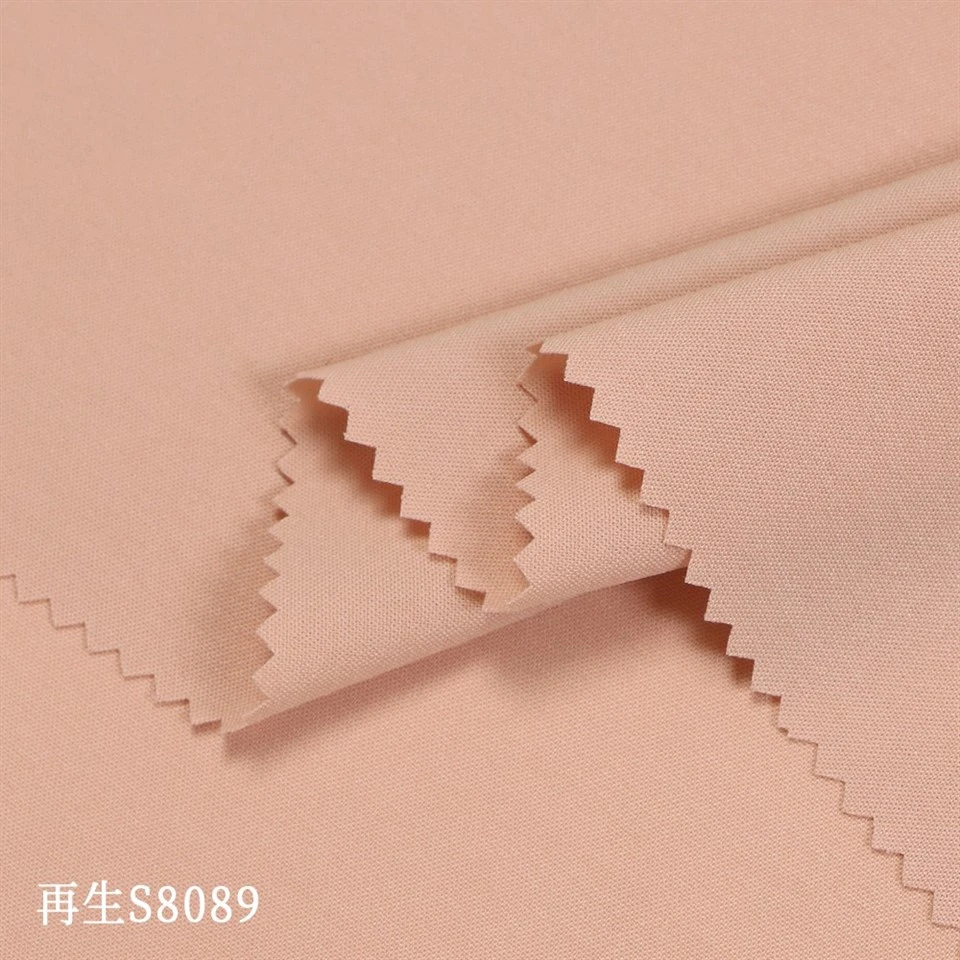
First, let’s start with the basics that most people skip: what makes jacquard fabric different from other upholstery fabrics. Unlike plain-woven fabrics like cotton canvas or satin, jacquard uses a specialized loom system that allows you to weave complex patterns directly into the fabric, instead of printing them on top. That means the pattern is more durable—no fading, peeling, or cracking even after years of use—but it also means the structure of the fabric itself is more intricate. For upholstery, this structure is make or break: the warp (lengthwise) and weft (crosswise) threads need to work together to resist pilling, tearing, and wear. The biggest mistake I see new clients make is choosing a jacquard based solely on color or pattern, without testing its fiber content and weave density. I once had a residential client who picked a gorgeous, thin silk jacquard for their living room sofa, only to have it tear along the armrests within six months when their kids dragged toys across it. That’s a story I still use to explain why fiber and weight should be your first two checks.
Fiber content is the foundation of any upholstery fabric, and jacquard has a range tailored specifically to different uses. Let’s break this down by practicality, not just fiber type. Natural fibers like cotton, linen, and wool are popular for their breathability and soft feel, but they aren’t all equal for upholstery. Cotton jacquard is a go to for formal dining chairs and accent pieces, but it’s prone to stretching and staining if it’s not blended with a synthetic. Linen jacquard has a beautiful, textured look that’s perfect for coastal or modern farmhouse spaces, but it’s extremely prone to wrinkling and can weaken when wet—so it’s a no go for outdoor seating or high traffic living areas. Wool jacquard, on the other hand, is a standout for durability, naturally resistant to pilling and flame retardant without chemical treatments. I supply a wool blend jacquard that’s been used for commercial office seating, and it’s still going strong after seven years of daily use. The trade off? Wool is more expensive, and it can be prone to moth damage if not treated, so it’s best for indoor, low humidity spaces.
Synthetic fibers, meanwhile, have come a long way in recent years, and they’re now my top recommendation for high traffic areas, family homes, and commercial settings. Polyester jacquard is the workhorse of upholstery: it’s stain resistant, fade resistant, and holds its shape even after heavy use. It’s also less expensive than natural fibers, which makes it perfect for sofas, sectionals, and ottomans that get daily wear. Nylon jacquard is even stronger than polyester, with higher tensile strength, so it’s ideal for areas that see rough use—like kids’ playrooms or entertainment spaces. I’ve had a few furniture manufacturers switch from nylon to polyester a few years back, only to come back and ask for nylon because the polyester started pilling after two years. The key with synthetics is to look for a “solution dyed” version, which means the color is added to the fiber before weaving, so it won’t fade even when exposed to sunlight. That’s a non negotiable for spaces with large windows, like sunrooms or living rooms facing west.
Once you’ve narrowed down the fiber type, the next critical factor is weave density, which is measured in threads per square inch (TPI). For upholstery, I almost never recommend a jacquard with less than 100 TPI. Here’s why: a tight weave means fewer gaps between threads, so the fabric is more resistant to tearing, staining, and dirt buildup. I once had a client who brought in a sample of a 80 TPI jacquard for their sofa, and when we stretched it, it had obvious gaps where thread was loose—within a month, their dog had dug a hole in the arm. A 120 TPI jacquard, by comparison, is dense enough that even sharp claws can’t get through easily, and spills bead up on the surface instead of soaking into the fabric. For heavy duty use, like commercial seating or outdoor furniture, I look for 150 TPI or higher. One of my best selling products is a 180 TPI polyester jacquard with a subtle diamond pattern, used in restaurant booths and hotel lobbies, and it’s been proven to withstand hundreds of users a day without showing wear.
Pattern scale and design are often the fun part of choosing jacquard, but they also have practical implications. A lot of people think a large pattern will look too bold on a large sofa, but the reality is that the jacquard’s weave depth affects how the pattern reads. A small, tight pattern woven with thick threads will look busy on a large surface, while a large, open pattern with finer threads will feel spacious. For small furniture, like accent chairs or ottomans, a smaller, intricate pattern works best because it doesn’t overwhelm the small surface area. For large sofas or sectional, a larger, more relaxed pattern will create a balanced look. I also advise clients to consider how the pattern will hide wear. Subtle, tonal jacquards—where the pattern is woven in the same color family as the base fabric—are great for hiding scuffs and dust, which is perfect for high traffic areas. Bold, contrasting patterns, while beautiful, will show every little smudge or scratch, so they’re better for formal, low traffic spaces like a master bedroom bench or a study chair.
Another factor that’s easy to overlook is cleaning code. Upholstery fabrics have specific cleaning codes set by the International Care Labeling Regulation, and jacquard is no exception. The most common codes are W (water based cleaning), S (solvent based cleaning), WS (either is okay), and X (professional cleaning only). For family homes or pet owners, I always recommend looking for a W or WS code, because water based cleaners are readily available and easy to use at home. S or X codes are more common with delicate fibers like silk or fine wool, and they require professional cleaning, which can be a hassle for anyone who spills wine or food on their furniture regularly. I recently added a stain resistant polyester jacquard to my line with a W code, and it’s been a hit with homeowners because even red wine spills can be blotted up with a damp cloth without leaving a mark.
Let’s talk about special use cases, because choosing jacquard for a dining room is very different from choosing it for an outdoor patio. For dining chairs, which see a lot of food and drink spills, a stain resistant synthetic jacquard with a tight weave is best. I suggest avoiding loose weaves, because crumbs can get stuck in the gaps and are hard to clean. For outdoor furniture, you need a jacquard that’s UV resistant and water repellent. Solution dyed polyester or acrylic jacquard is ideal here, because it won’t fade in sunlight, and it’s treated to resist mildew and mold. A lot of people try to use indoor jacquard outdoors, but even the most durable indoor synthetic will break down in sun and rain within a year. I supply a line of outdoor jacquard woven fabric that’s been tested to withstand 5000 hours of UV exposure, and it’s still looking bright after three seasons in Florida. For commercial use, like hotel lobbies or airport seating, flame retardancy is also a key factor. Most synthetic jacquards are already naturally flame retardant, but I make sure all my commercial products meet industry safety standards, so furniture manufacturers don’t have to worry about compliance.
I also want to share a few common mistakes I’ve seen over the years, to help you avoid them. First, don’t buy based solely on price. A $5 a yard jacquard might seem like a great deal, but it could pill or tear after a few months, costing you more in the long run than a $12 a yard high quality one. Second, always request a sample before ordering. Fabric looks very different in a photo or a showroom bolt than it does when it’s on a piece of furniture, especially jacquard— the texture and pattern depth change depending on how light hits it. I send free samples to all my clients, because I know how important it is to feel the weave and see the color in your own space. Third, consider the room’s lighting. A jacquard that looks dark in a showroom might look too heavy in a small, dimly lit room, while a light, bright jacquard might look washed out in a room with lots of natural light. Holding a sample up to your furniture and your walls can help you get a better sense of how it will look.
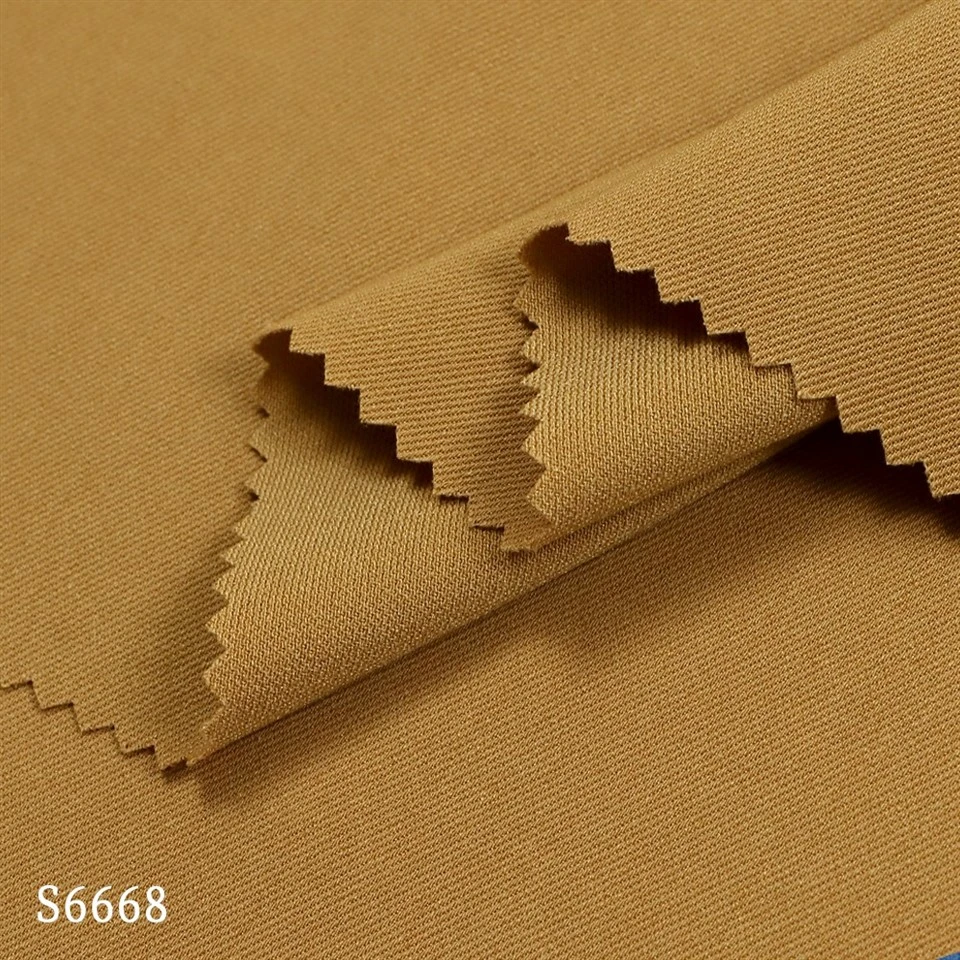
At the end of the day, choosing the right jacquard upholstery fabric is a balance of aesthetics, practicality, and budget. It’s not just about picking a pretty pattern—it’s about making sure that fabric will hold up to the daily life of the space it’s going into. Whether you’re a furniture manufacturer looking for bulk supply, an interior designer sourcing for a client, or a homeowner furnishing your living room, I can help you navigate the options, test the durability, and find the perfect jacquard woven fabric for your needs. If you have questions about fiber types, weave density, cleaning codes, or any other aspect of jacquard upholstery, feel free to reach out to discuss your project in detail. We can work together to make sure your furniture looks great and lasts for years to come.
Twill Woven Fabric References
Textile Institute. (2021). Upholstery Fabric Performance Standards: Weave Density and Durability. Textile Progress.
American Home Furnishings Alliance. (2022). Care Labeling Guidelines for Residential and Commercial Upholstery Fabrics.
International Organization for Standardization. (2020). Jacquard Woven Fabrics: Properties and Testing Methods for Upholstery Use. ISO 105-X12.
Shaoxing Huichao Textile Co., Ltd.
As one of the most professional jacqurard woven fabric manufacturers and suppliers in China, we offer a wide range of products with superior quality. Please feel free to wholesale bulk high-end jacqurard woven fabric in stock here from our factory. Good service and reasonable price are available.
Address:
E-mail: darrenzhong@huichaotextile.com
WebSite: https://www.huichao-textile.com/
