Hey there, fellow builders, architects, and everyone in the thick of construction projects! As someone who’s been selling steel structure brackets for the last seven years, I get it—you’ve got a million moving parts when putting a building together, and making sure every component plays nice is half the battle. Today, I want to break down one of the most common questions I get from contractors, remodelers, and DIYers who come to me: Are steel structure brackets actually compatible with other building materials? Spoiler alert: The short answer is yes, but there’s way more to it than just grabbing any bracket and slapping it on wood, concrete, or masonry. Let’s dive in, no stuffy textbook jargon, just real talk from someone who’s seen it all on job sites. Steel Structure Bracket
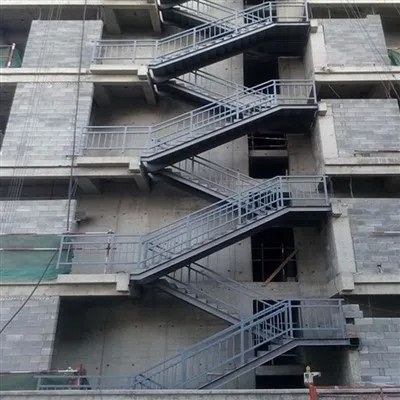
First, let’s start with the basics. What’s a steel structure bracket, anyway? For those who don’t live and breathe metal fasteners, it’s that little (or not-so-little) metal piece that connects two building materials together. Think of it as the middleman between your wooden beam and your concrete foundation, or between a steel frame and a brick wall. The key here is that steel is strong, yeah, but it can react poorly with other materials if you don’t set it up right—no one wants a bracket that starts rusting or breaking after a year because of a bad material match.
Let’s go through the most common materials you’ll pair with steel brackets, and what works (and what doesn’t) for each.
Wood is probably the number one material I work with every single day. Whether you’re framing a new wall, building a deck, or adding a wooden beam to a steel post, steel brackets and wood go hand in hand—if you do it right. Wait, why? Wood is porous, it expands and contracts with temperature and humidity, and it’s acidic. Steel, especially regular carbon steel, can react with that acid over time, leading to corrosion. That’s why I always tell people to galvanize their brackets when using them with wood. Galvanization is basically a thin zinc coating on the steel that acts as a shield between the metal and the wood’s acidity. Oh, and don’t skip the right fasteners! Use stainless steel screws or hot-dipped galvanized nails to attach the bracket to the wood—regular steel nails will rust, and that’ll weaken the connection faster than you can say “job delay.” I’ve had guys come back to me last minute because they used cheap nails on a deck bracket, and sure enough, six months later, the bracket was loose. Save yourself the headache: galvanized steel brackets, stainless fasteners, done.
Next up: concrete. This is another big one, especially for commercial buildings and home foundations. Steel brackets and concrete are actually super compatible—here’s why. Concrete is alkaline, which is actually good for steel; it creates a passive layer around the metal that prevents corrosion. But wait, that’s only if the concrete is properly cured. If concrete is wet or has too much water in the mix, it can leach chemicals that mess with the bracket. Also, when you’re mounting a steel bracket to concrete, you need the right anchors. Expansion anchors, wedge anchors, sleeve anchors—these are all made for concrete, and they work great with steel brackets. Pro tip: Don’t over-tighten the anchors. I see this all the time—guys crank down on the bolt until it’s almost stripped, and that can crack the concrete, which weakens the whole structure. I once had a contractor bring back a bracket because the concrete around the anchor split, and it turned out he’d torqued it way past what the anchor was rated for. Follow the manufacturer’s torque specs, and you’re golden.
Masonry—bricks, blocks, stone—this one’s a little trickier than concrete. Masonry is also alkaline, same as concrete, but it’s more porous, and it has tiny gaps that can trap moisture. So, steel brackets can work here, but again, go with galvanized or stainless steel. Why? Even though masonry is alkaline, if there’s moisture trapped between the bracket and the masonry, that can create conditions for rust. Also, when attaching to masonry, you need the right fasteners—masonry screws or wedge anchors, same as concrete, but make sure they’re sized for the thickness of your brick or block. A common mistake here is using a screw that’s too short; if it only goes halfway into the brick, the bracket won’t be secure. I always recommend measuring the masonry thickness and adding an extra inch to the screw length to be safe.
Now, what about the material that people get confused about most: aluminum. Aluminum is lightweight, non-corrosive, and super common for siding, window frames, and even some roofing. Can you pair a steel bracket with aluminum? Short answer: Yeah, but you need an insulator between them. Here’s the science (simplified, I promise): steel and aluminum are both metals, but when they touch, they create a galvanic reaction—think of it like a tiny battery. That reaction will cause one of the metals to corrode, and more often than not, it’s the steel. So, if you just slap a steel bracket on an aluminum window frame, the bracket will rust through in a couple years, and the connection will fail. The fix is simple: add a plastic or rubber washer between the steel bracket and the aluminum. That washer acts as a barrier, stopping the galvanic reaction from happening. I actually keep a box of these washers in my office for exactly this scenario—guys come in, grab a bracket, and I hand ’em a few washers and say “don’t skip this, I’ve seen it go wrong way too many times.”
What about stone, like natural stone for a facade or a patio? Same idea as masonry, basically. Natural stone is porous, has uneven surfaces, and can hold moisture. Galvanized steel brackets work here, but again, make sure the fasteners are rated for stone—regular wood screws won’t cut it. Also, if you’re working with large, heavy stone slabs, maybe go with a thicker steel bracket (I stock 1/4-inch and 3/8-inch brackets for this exact use) to handle the weight. And always, always, seal the stone before installing the bracket. Sealing reduces moisture absorption, which means less chance of corrosion on the steel.
Wait, let’s talk about some mistakes I see all the time that people don’t even realize are issues. First, not matching the bracket’s coating to the material. Galvanized is great for wood and masonry, stainless is better for aluminum or outdoor areas near saltwater (like coastal jobs—salt is brutal for steel, so you want extra protection there). Second, not accounting for movement. Every material expands and contracts at different rates—wood moves more than steel, concrete moves a little, aluminum moves more than both. If you fix a steel bracket tightly to a wooden beam without leaving any wiggle room, the wood will push and pull, and eventually, the bracket will bend or the fastener will snap. I always tell people to use slotted holes in the bracket when possible—let’s the material move without stressing the connection. Third, cutting corners on cheap brackets. I’ve had guys come to me with a $5 bracket from a big box store, and it’s thin, flimsy, and not galvanized. Those brackets aren’t designed to pair with any material—they’ll rust, bend, or break before the project is even done. My brackets are tested for compatibility with every common building material, so you know they’ll work when you install them.
Let’s chat about a real example I had last year. A carpenter in Florida came to me because he was building a new deck, and he’d been using brackets from a local hardware store. After three months, two of the brackets holding the main beam had rusted through, and the deck was wobbly. Turns out, he used carbon steel brackets (no galvanization) with pressure-treated wood—pressure-treated wood is extra acidic, so that combo was a disaster. I sent him a set of galvanized steel brackets, showed him how to use stainless screws, and gave him a free bag of washers for the ledger board connection to the house. Six months later, he sent me a photo of the deck, solid as a rock, and said that was the fix he needed. That’s the kind of stuff I live for—helping people avoid those expensive, avoidable mistakes.
Another thing to consider: indoor vs. outdoor use. If you’re using the bracket inside a building, maybe a regular galvanized bracket is fine, but if it’s outside, or in a humid area (like bathrooms, basements with high moisture), you definitely want stainless steel. Stainless steel has a chromium coating that resists corrosion even better than galvanized, so it’s perfect for areas where moisture is constant. I once supplied brackets for a gym in a humid climate, and they used stainless steel for the connections between the steel roof trusses and the wall—no issues in two years, whereas the old brackets they used before needed replacing every year.
Wait, what about fire resistance? A lot of people ask if steel brackets work with materials like drywall or plaster. Yeah, but steel is non-combustible, so it actually works well with fire-rated materials. Just make sure the bracket is thick enough for the load—drywall is light, but if you’re attaching a heavy cabinet or shelf, you need a bracket that can handle the weight. That’s where sizing matters; don’t use a tiny 1-inch bracket for a 50-pound shelf. I always ask customers about the load they need to support when they call, so I can recommend the right bracket for their specific material and project.
So, to wrap this up: steel structure brackets are super compatible with almost all common building materials, as long as you match the right bracket type and coating to the material you’re working with, use the correct fasteners, and avoid those common mistakes. Wood = galvanized steel, concrete/masonry = galvanized or stainless, aluminum = galvanized or stainless with a washer, coastal areas = stainless. It’s not rocket science, but it’s the small details that make a big difference in how long your building lasts.
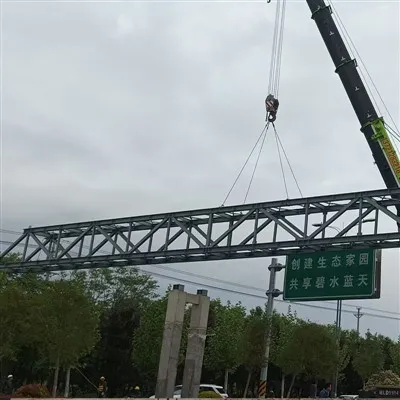
If you’re not sure what bracket you need for your specific project—whether you’re building a deck, a commercial frame, a wall, or anything in between—don’t guess. I’ve been in this game long enough to know every trick, and I can help you pick the right bracket, the right fasteners, and give you tips to make sure it all works together. Whether you’re a small contractor or a big construction company, I’m here to answer your questions, no sales pressure, just honest advice. If you want to chat about your project, reach out—let’s get your materials playing nice, and get your job done right the first time.
Power Distribution Equipment References
- American Institute of Steel Construction. (2022). Steel Material Compatibility in Construction. AISC Publications.
- National Association of Home Builders. (2021). Best Practices for Metal Fasteners in Wood and Masonry Applications. NAHB Research Center.
- International Code Council. (2023). Building Code Requirements for Steel Brackets and Anchors. ICC Code Books.
- Steel Manufacturers Association. (2022). Galvanization and Corrosion Protection for Construction Steel. SMA Technical Guidelines.
- Aluminum Association. (2021). Galvanic Isolation for Steel-Aluminum Connections. Aluminum Association Engineering Bulletins.
Si County Haneng Chengxin Electrical Engineering Co., Ltd.
As one of the most professional steel structure bracket manufacturers and suppliers in China, we also support customized service. Welcome to buy advanced steel structure bracket made in China here from our factory. If you have any enquiry about pricelist, please feel free to email us.
Address: Hanergy Green Building Science Park, Economic Development Zone, Sixian County, Anhui Province
E-mail: 19166759898@163.com
WebSite: https://www.hannenglvjian.com/
