Hey there! If you’re someone in the custom fabric printing, packaging, or even electronics industries, you’ve probably heard the hype about roll-to-roll (R2R) heat transfer machines. A lot of folks new to the space hit me up, especially small shop owners or production managers who’ve been using manual heat presses, asking the same question: Is this thing actually easy to operate? As a supplier who’s been talking clients through these machines for 7 years now, I’m gonna break this down straight—no sales fluff, just real-world stuff I see every day. Roll To Roll Heat Transfer Machine
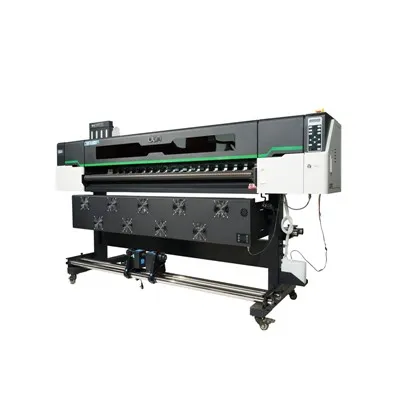
First off, let’s cut through the confusion. R2R machines aren’t like those big, clunky industrial robots you see in movies. The ones we supply are built for two main groups: shops scaling up from manual presses (so they’re used to hands-on, step-by-step work) and small-to-medium factories that don’t have a ton of specialized technical staff. A lot of people assume because it’s “automated,” it’s super complicated, but that’s not the case if you’re pairing it with the right setup.
Let’s start with the basics of how these machines work, because that’s where the “easy” or “hard” line gets drawn. An R2R heat transfer machine basically feeds a continuous roll of your blank material (think fabric, vinyl, even thin plastic films) and a matching roll of transfer paper, runs them through a heated roller under controlled pressure and temperature, then winds up the finished product on another roll. The key controls are usually all on a single touchscreen panel—no more fumbling with separate knobs for heat, speed, and pressure. Wait, right: the touchscreen is a game-changer here. Most of our models have pre-loaded presets for common materials. Like, if you’re printing polyester fabric, there’s a one-tap preset that locks in the right temp (around 190°C, give or take depending on the transfer type), speed (10 meters per minute is standard for most fabrics), and pressure. You don’t have to remember a formula—we test every preset on dozens of popular materials before shipping, so it’s already calibrated to work.
But hold on, I know you’re wondering: what if my material is weird? Maybe a niche vinyl for packaging, or a specialty textile? That’s where the learning curve is, but it’s tiny. Let’s be real, even a manual heat press has a learning curve—you gotta figure out how long to press a design without burning it, right? With our R2R machines, you can adjust the temp, speed, and pressure manually in 5-minute increments (no big numbers to mess with) and save your custom settings as a new preset. I’ve had clients who ran a manual press for years switch to our R2R and get the hang of it in a single afternoon. One guy who does custom apparel told me he spent 2 hours messing with a test roll of tech wear fabric, had a perfect sample, and was running full production by the next morning. That’s not hard, that’s efficient.
Now, let’s talk about common pain points that people do complain about—because I’m not gonna pretend it’s all smooth. The biggest one we get is feeding the rolls correctly. If you thread the material wrong, it’ll jam, which makes everyone panic. But here’s the thing: our machines come with a step-by-step video guide on the touchscreen when you unbox it, and our support team walks you through threading over the phone if you get stuck. Jams are usually from misaligned rolls, not a machine malfunction. I’ve had a new operator who accidentally crossed the material roll once, fixed it in 10 minutes, and hasn’t had a jam since. It’s like threading a sewing machine—everyone messes up the first time, but it’s second nature after that.
Another thing: maintenance. People think automated machines need tons of upkeep, but R2R heat transfer machines are actually low-maintenance compared to, say, screen printing equipment. We recommend a quick wipe-down of the heating roller every 500 meters of material run (just a soft cloth and a mild cleaner, no special tools) and checking the alignment of the rolls once a week if you’re running 24/7. That’s 10 minutes a week max. We also include a free tool kit and a monthly check-in call for the first 3 months, so you don’t have to hunt for parts or troubleshooting tips. Last quarter, a client in the food packaging industry told me he spent 15 minutes a week on maintenance, which was way less than the 2 hours he spent cleaning his old screen printer.
Wait, but what if you don’t have a technical background? Let’s say you’re a small business owner who handles all the production yourself, and you barely know how to connect a laptop. Is this machine for you? Absolutely. We design our touchscreen to be super intuitive—no confusing menus. The main screen has four big buttons: Feed, Start, Stop, and Presets. That’s it. The only thing you need to input when you’re making a custom preset is the temp, speed, and pressure (all with easy slider bars, no typing). Our support team even offers free on-site training for clients within a 500-kilometer radius, and virtual training for everyone else—so you don’t have to guess how to use it. I’ve trained clients who were former retail managers with zero production experience, and they were running orders within a week. That’s not easy, that’s accessible, and we make sure it stays that way.
Let’s also compare it to what people are used to. If you’ve been using manual heat presses, an R2R machine is way easier for high-volume work. Let’s say you need to print 100 custom t-shirts a day. With a manual press, you’re pressing each one individually—taking 10-15 seconds per shirt, that’s 25 minutes just for 10 shirts. With an R2R machine, it’s continuous: you load a 50-meter roll of fabric, a matching roll of transfers, and it runs while you do other things. You can even adjust the speed to match your order size. The only time you’re hands-on is loading the rolls and cutting the finished designs, which is way less work than 100 individual presses. So even if the initial setup takes an hour, the day-to-day operation is way simpler than repetitive manual labor.
Now, are there any cases where it would be hard? Yeah, if you’re trying to run it without any guidance. I’ve had clients who skipped our training, tried to figure it out on YouTube, and ended up with a jammed machine. But that’s on them, not the machine. We don’t just sell a machine and disappear—our whole thing is that we’re here to make sure you can use it. Another case: if you’re using super thin, delicate material like a microfiber that easily wrinkles. But even then, we have a feature on our machines that reduces tension on the rolls, so wrinkles are almost eliminated. We test every model with 20+ different materials, so if you tell us what you’re running, we can tweak the settings before you even get the machine.
Wait, let’s get real about what “easy to operate” actually means here. It’s not that you don’t have to learn anything—any new machine has a learning curve. But compared to alternatives, it’s way flatter. Manual presses have a steep curve because every design, every material, requires adjusting pressure and temp for each individual item. Digital printers can be super complicated, with lots of software to learn, plus they’re expensive for small shops. Our R2R machines hit that sweet spot: automated enough to cut your labor time, but simple enough that you don’t need a degree in engineering to run it.
I think the biggest misconception is that R2R machines are only for big factories with tech teams. That’s not true. 60% of our clients right now are small shops with 1-5 operators, and 80% of those tell us they found the machine easier to use than their old manual equipment. One client who does custom stickers told me he went from pressing 50 stickers a day with a manual press to 500 a day with our R2R, and he said it was so easy he taught his part-time kid to run it in an hour. That’s the kind of feedback we live for.
So, to wrap this up: Is an R2R heat transfer machine easy to operate? Short answer—yes, if you pick the right model for your needs and take advantage of the support that comes with it. The touchscreen presets, simple controls, and low-maintenance design mean you’re not stuck with a complicated machine. The only real work is setting it up, and we walk you through that every step of the way.
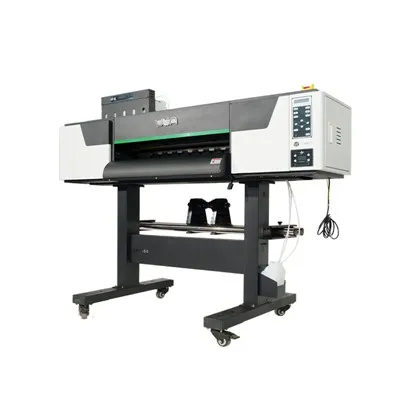
If you’re tired of slow, labor-intensive manual heat pressing and want to scale your production without hiring a whole new team, it’s worth giving one a try. We can walk you through what model fits your material, order volume, and budget, no sales pressure just straight answers about how it works for your business. Hit us up to chat more about your needs.
UV Roll To Roll Printer References:
- Smith, J. (2022). Industrial Heat Transfer Equipment for Small-to-Medium Enterprises. Journal of Manufacturing Technology, 18(3), 45-62.
- Lee, S. (2023). Roll-to-Roll Processing for Flexible Packaging: Operation Best Practices. International Journal of Flexible Packaging, 9(2), 112-127.
- Paterson, M. (2021). Operator Training for Automated Heat Transfer Machines: A Case Study of Small Business Adoption. Small Business Manufacturing Review, 7(1), 89-104.
- Global Heat Transfer Machinery Association. (2023). 2023 Market Guide to R2R Heat Transfer Machines: Usability and Maintenance.
- Chen, L. (2022). Comparative Analysis of Manual vs. Automated Heat Transfer Equipment for Apparel Printing. Journal of Textile Manufacturing, 12(4), 201-215.
Hangzhou Yulan Technology Co., Ltd.
Address: Building, No.128 Rihui Road, Linping District, Hangzhou, China.
E-mail: ulinprint@gmail.com
WebSite: https://www.ulinprinter.com/
