When I first started working as a small turning lathe supplier, I used to get a lot of questions that felt really basic at first: How much does one of these cost? What’s it good for? And the one I heard most often—how much space does a small turning lathe actually need? Most people would just guess based on the size of the machine itself, but after years of working with hobbyists, small shop owners, and trade schools, I’ve learned that the answer is way more nuanced than that. There’s a big difference between the space the lathe takes up on the floor and the space you actually need to use it safely and effectively. Today, I want to break that down, share what I’ve seen work for real shops, and why cutting corners on space usually leads to more headaches than it’s worth. Small Turning Lathe
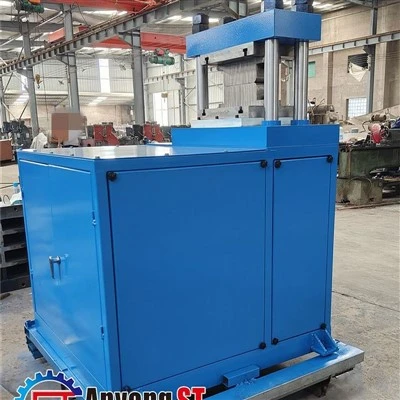
Let’s start with the basics: what even counts as a “small turning lathe”? For our purposes, we’re talking about bench-top or floor-model lathes with a swing diameter under 16 inches, right? These are the ones most people reach for when they’re making small parts—like custom bolts, aluminum brackets, small engine components, hobbyist model parts, or prototypes for new small businesses. A lot of first-time buyers measure the lathe’s footprint, which is usually around 30 inches long and 15 inches wide for a compact bench model, and assume that’s all the space they need. But that’s like buying a couch and assuming you don’t need room to sit on it. The machine itself isn’t helpful unless you can work around it.
I remember a customer last year who ran a tiny custom metal shop out of a 10×12 foot garage. He saved up for six months for a small turning lathe, and when it arrived, he squeezed it between his welding table and a parts cabinet. On paper, that spot was 3 feet wide and 4 feet long—plenty for the lathe’s base. But the first time he tried to run a 12-inch aluminum rod through it, he couldn’t fit the rod between the headstock and the wall behind it. He had to rearrange his entire shop for three days, moving his welding gear, his parts bins, and even a storage shelf that he’d had against the back wall for five years. By the time he got set up, he’d used up most of his new shop’s working space, and he had nowhere left to put his milling machine. That’s the kind of avoidable mistake I want people to skip.
So what’s the real formula here? From what I’ve seen across hundreds of setups, a safe, functional space for a small turning lathe is a minimum of 5 feet of clear floor space along the front of the machine, plus at least 2 feet of space on each side, and 1 foot of space behind the headstock. Wait, let me make that clear: that’s clear space, not space filled with tools, boxes, or other equipment. The front is the most important part because that’s where you load workpieces, adjust tools, check measurements, and turn off the lathe in an emergency. I once visited a trade school that had two small turning lathes squeezed into a 10-foot wide bay. The front of each lathe was so close to the wall that students had to stand sideways to reach the chuck, and if a workpiece slipped and shot off (which does happen occasionally), there was nowhere to move to get out of the way. They had a minor incident with a small metal part that dented a student’s backpack, and after that, they rearranged the bay to add an extra 2 feet of front space. It took up a little more room, but it made the whole station usable for years.
Now, let’s talk about why those specific measurements matter. First, the front space: most small turning lathes have a cross slide that moves along the bed, and you need room to swing that out fully even when working on the largest possible workpiece the lathe is rated for. A 5-foot clear front space is enough for any lathe with a swing up to 16 inches, which is the most common size our customers buy. If you’re working on really long workpieces—like a 3-foot steel rod for a custom tool handle—you might need extra space to the left or right of the lathe bed to support the end of the rod. A lot of people forget about workpiece support! If you’re turning something longer than 18 inches, you’ll need a steady rest or a tailstock, and that tailstock can stick out another 12 to 18 inches beyond the end of the lathe bed. So if you’re making long parts, you might want to add another 2 feet of space on either side, depending on your typical projects.
Space behind the lathe is another easy one to overlook. The headstock has a motor, a spindle, and controls, and you need room to access those for maintenance, like changing the belt or adding oil to the gearbox. If you push the lathe right up against a wall, you might have to pull it out every time you need to do a routine check, which is a hassle and can damage the floor or the wall over time. That 1 foot of space might not sound like much, but it’s enough to slip a socket wrench in and tighten a loose bolt, or wipe up any small spills from cutting fluid.
Wait, but what if you really don’t have that much space? I get it—small shops are common these days, with more people working out of garages, basements, or tiny commercial spaces than ever. A lot of our customers have less than the minimum I just mentioned, and they make it work, but there are workarounds that don’t compromise safety or productivity. For example, if you only have 4 feet of front space instead of 5, you can invest in a smaller chuck, or use collets instead of a 4-jaw chuck, which take up less space when you’re adjusting the workpiece. You can also mount the lathe on a portable stand, so if you need extra room for long workpieces, you can roll it a foot or two away from the wall. We had a hobbyist customer in Chicago who had a 8×10 foot basement workshop. He squeezed his small turning lathe into a corner with just 3 feet of front space, and he solved the problem by using a bench vise mounted on a movable trolley to support long workpieces. When he needs to turn something 2 feet long, he rolls the trolley next to the lathe, and when he’s done, he stores it under his workbench. It’s not ideal, but it works, and he’s been making parts there for three years without any safety issues.
Another thing to consider when calculating space: ventilation and clearance for safety equipment. Small turning lathes produce metal shavings, cutting fluid mist, and noise, so you need space to run a small dust collector or a fume extractor near the machine. I’ve seen customers put their lathes in a corner next to a window, so they can open the window and use a box fan to blow shavings outside. That works, but it means you don’t have to allocate extra space for a big dust unit. Also, don’t forget about emergency access. The Occupational Safety and Health Administration (OSHA) has guidelines for small machine tools that say you need at least 3 feet of clear space around the entire machine for emergency egress, even if you don’t use that space for working. That’s just good practice, no matter where your shop is.
Let’s also talk about how space affects productivity, not just safety. I once had a customer who ran a small e-commerce business making custom metal keychains and small hardware. He had two small turning lathes in his shop, and he squeezed them into a 6×12 foot space. He saved 4 feet of space, but every time he switched jobs—from making keychains to making small brackets—he had to move his measuring tools, his cutting fluids, and his shavings bin back and forth between the two lathes. It took him 15 minutes every time he switched, which added up to almost two hours a day wasted. When he rearranged his shop to give each lathe 5 feet of front space and a dedicated tool station, that wasted time disappeared, and his output went up by 20% within a month. That’s the thing about space: it’s not just about where the machine sits. It’s about where you put all the little things you need to work with it, and how much room you have to move around without knocking over a bin of shavings or bumping into the lathe’s controls.
Now, I want to address a common misconception: bigger isn’t always better, but neither is smaller. If you buy a lathe that’s too big for your space, you’ll end up rearranging your whole shop and limiting the kinds of projects you can do. If you buy one that’s a little too small, but fits perfectly in your space, you can still do a lot of great work. When we help customers choose a small turning lathe, we don’t just ask how big their shop is—we ask what kinds of parts they make most often, how long their typical workpieces are, and whether they plan to expand their business in the next year or two. A lot of people plan to grow, so we’ll suggest a lathe that’s just a little bigger than they need right now, so they don’t outgrow it in six months.
For example, last quarter I worked with a customer who was starting a side business making custom parts for vintage motorcycles. He had a 10×15 foot garage, and he thought he needed a lathe that could handle 12-inch swing. But when we talked, he mentioned that most of the parts he needed were under 8 inches, and he only occasionally needed a 10-inch workpiece. We suggested a bench-top small turning lathe that fits on a 3×4 foot footprint, and we gave him the rest of our tips for making it work in his small space. A year later, he emailed us to say he’d outgrown it, but he was able to fit a slightly larger floor-model lathe in the same space because he’d designed his shop around good workflow, not just the machine’s footprint. That’s the kind of planning that pays off.
I also want to mention floor strength, because that’s part of space that people don’t always think about. Small turning lathes weigh between 200 and 500 pounds, depending on the model. A bench-top one might weigh 200 pounds, so if you’re putting it on a second floor or a basement, you need to make sure the floor can support that weight. Most residential floors can handle that, but if you have an older home or a shop on a mezzanine, it’s worth checking. You don’t want your lathe sitting on a weak spot in the floor, that could cause it to shift while you’re turning, which is a safety hazard. That’s another thing we talk to customers about when they’re planning their space—if it’s not a concrete floor, we recommend placing a heavy-duty mat under the lathe to distribute the weight and reduce vibration.
Let’s wrap this up with a few practical takeaways, because I know you don’t want a bunch of abstract measurements. First, start with the machine’s footprint: measure the length and width of the lathe itself, including the tailstock when it’s extended, for reference. Second, add at least 5 feet of clear, uncluttered space along the front—this is your work zone, where you’ll load parts, adjust tools, and respond to emergencies. Third, add 2 feet on either side if you plan to work on workpieces longer than 18 inches, or if you have other tools nearby. Fourth, leave 1 foot behind the headstock for maintenance and access to controls. If you’re working with an extremely tight space, you can adjust these numbers with workarounds like movable support stands, smaller chucks, or portable dust collection, but never skip the emergency clearance space around the entire machine.
At the end of the day, the right space for a small turning lathe is the space that lets you work safely, efficiently, and comfortably. I’ve seen shops that fit a lathe into a 10×10 foot space and thrive, and I’ve seen shops with 20-foot bays that feel cramped because they filled every inch with unnecessary tools. The key is to plan for your specific needs, not just the machine’s size.
If you’re in the market for a small turning lathe, and you’re not sure how much space you have, or which model will work best for your shop, we’re here to help. We’ve worked with thousands of customers across all kinds of spaces, from tiny home workshops to commercial machine shops, and we can help you figure out exactly what you need. Whether you’re a hobbyist just starting out, a small business owner looking to expand, or a trade school setting up a new lab, we can walk you through the space calculations, the right models for your projects, and tips to make the most of the room you have.

Don’t let space constraints hold you back from getting the right equipment for your work. A little planning now will save you from headaches and extra costs later. If you’d like to talk through your specific setup and find the perfect small turning lathe for your needs, reach out to our team to start the conversation. We’re here to make sure your new machine fits your shop, your projects, and your workflow, so you can focus on what you do best: making great parts.
Heavy Duty Lathe References:
- Occupational Safety and Health Administration (OSHA). Machine Tool Safety Standards for Grinders and Lathes. U.S. Department of Labor, 2022.
- Small Shop Metalworking Association. 2023 Guide to Compact Machine Tool Setup and Safety.
- National Institute for Occupational Safety and Health (NIOSH). Control of Hazards in Small Metalworking Shops. Centers for Disease Control and Prevention, 2021.
- Industrial Fabricators Association. Space Planning Guidelines for Compact Lathe Operations. 2022 Edition.
Anyang Xinsheng Machine Tool Co., Ltd.
As one of the most professional small turning lathe manufacturers and suppliers in China, we have world-leading production equipment and strong manufacturing capabilities. Please feel free to buy high quality small turning lathe at competitive price from our factory.
Address: No.68 Renmin road, Anyang, Henan, China
E-mail: sales@xslathe.com
WebSite: https://www.xs-lathe.com/
