Hey there! If you’ve ever dabbled in screen printing—whether as a small business owner, a hobbyist testing custom hoodies, or someone just curious how those crisp, multicolor designs get onto fabric—you’ve probably heard random folks throw around terms like “screen fabric stretcher machine.” But what is this thing, exactly, and why does it matter so much for anyone working with screen printing gear? As a Screen Making Machine supplier who’s been deep in this industry for over a decade, I get a lot of questions about this specific piece of equipment—most of which boil down to, “Can’t I just stretch a screen by hand and call it a day?” Spoiler: You can, but the end results will hit a ceiling way before they should. Let’s break this down like we’re chatting over a coffee at a trade show booth, no stuffy jargon, I promise. Screen Making Machine
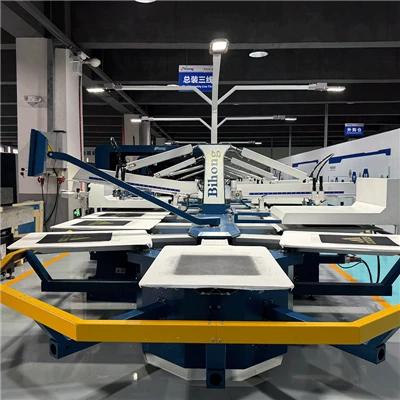
First, let’s start with the basics: What even is a screen printing screen? At its core, it’s a frame (usually aluminum these days, not flimsy wood that warps) stretched tightly with mesh fabric. That mesh is what holds your stencil—you block off areas you don’t want ink to go, then pull ink through the open gaps onto your shirt, poster, or whatever you’re printing. If the mesh is loose, wobbly, or stretched unevenly, your stencil will shift mid-print, ink will bleed, and you’ll end up with a handful of messed up prints instead of consistent, repeatable work. That’s where the screen fabric stretcher machine comes in. It’s not some fancy black box reserved for big factories—it’s a tool designed to pull that mesh material tight and evenly across a frame, every single time, without the shaky hands or human error that comes with manual stretching.
Wait, let’s get specific about how it works, because a lot of new printers mix up stretchers with other screen prep gear. A good screen fabric stretcher machine has a few key parts you should know about. First, the frame clamp system—this is where you secure your screen frame (again, usually aluminum, since it’s lightweight and resists warping) so it doesn’t move while you’re stretching. Then there are the tensioning arms, which apply even, controlled pressure to the edges of the mesh. Some models are manual (great for small print shops or hobbyists with low volume) and some are automatic (perfect for high-volume operations that need 50+ screens a day). The best part? Most modern stretchers let you set a specific tension level—measured in Newtons or, if you’re old school, ounces per inch—so every screen you stretch has the exact same tightness. No more guessing if you pulled the mesh hard enough this time vs. last time. That consistency is non-negotiable for long runs; if one screen is 20% looser than the next, your color registration (aligning all your print layers) will be a nightmare.
Now, let’s talk about why this matters more than you might think. Let’s say you’re printing a run of 100 custom t-shirts for a local band. Manual stretching: You clamp a frame, pull the mesh as tight as you can with your hands, staple it to the back, and move on. But by the 50th shirt, that loose mesh will start to stretch out even more, so your red layer and blue layer (which need to line up perfectly for the logo) will shift, leaving a smudged mess. Or, worse, the mesh could pull away from the frame entirely mid-print, ruining the whole run. A machine does that tension evenly—every edge of the mesh is pulled the same amount, so there’s no weak spot that will give out later. I’ve seen too many new shop owners skip the stretcher to save a few bucks, only to waste thousands in materials and labor redoing prints. It’s a false economy.
Wait, but hold on—what kind of mesh are we talking about here? That’s a common follow-up question. Screen fabric (the mesh) comes in different materials: polyester, nylon, even stainless steel for specialty jobs. A lot of stretchers work with all of these, but you have to make sure you get the right machine for your needs. For example, stainless steel mesh is stiffer and needs a lot more tension than lightweight polyester, so a basic manual stretcher might not have enough power. That’s why as a supplier, I always ask customers what kind of mesh they use and how many screens they make a week before recommending a stretcher—one size doesn’t fit all.
Let’s also clear up a myth I hear all the time: “Stretchers are only for big factories.” Nah, man. If you’re doing even 10-15 screens a week, a good entry-level stretcher will pay for itself in 2-3 months by cutting down on reworks. Think about it: Manual stretching takes 5-10 minutes per screen, plus the time you spend fixing misaligned prints. A machine does it in 2 minutes flat, and the error rate drops by like 80%. I have a small-time customer who prints custom tote bags for local cafes—she used to spend 3 hours a night fixing bad prints, now she’s done with screen prep in an hour and can take on more orders. That’s the real value, not just “stretching mesh faster.”
Another point: Tension consistency isn’t just about print quality—it also extends the life of your screens. If you stretch mesh too loose, it will sag over time, so you can only reuse a screen a few times before it’s useless. Stretch it too tight, and you risk warping the frame (especially if it’s wood, which is why aluminum is better) or snapping the mesh entirely. A good stretcher takes the guesswork out of that optimal tension. I’ve had customers tell me their screens now last 2x longer since they started using a machine—less waste, more profit, that’s a win-win.
Wait, let’s touch on how to pick the right one for you, since that’s what a lot of people want to know when they’re looking at gear. First, volume: If you’re a hobbyist or small shop (under 20 screens a week), a manual tabletop stretcher is perfect—affordable, easy to use, no electricity needed. For medium shops (20-100 screens a week), a semi-automatic model that lets you set tension and lock it in is a great middle ground. For high-volume (100+ screens a week), automatic stretchers with pneumatic or hydraulic arms will save you so much time—they can stretch a screen in 30 seconds, no manual labor needed. Also, check the frame size: Make sure the stretcher can handle the largest frame you use, whether that’s 20×24 inches for t-shirts or 40×60 inches for big posters.
I should also mention that a lot of stretchers pair with other screen making machines—like screen printing exposure units or washout booths. If you’re setting up a full screen making workflow, buying a stretcher that works with your existing gear (or one brand’s line) can make the whole process smoother, with fewer compatibility issues. As a supplier, I always help customers put together a full setup that fits their space and budget, not just sell them a random stretcher that doesn’t work for their needs.
Now, let’s get real about common pain points with stretchers. Some cheap models out there skip the even tensioning—they just pull one side tight, leaving the other loose. That’s worse than manual stretching, honestly. That’s why it’s important to go with a reputable supplier who tests their machines. A good screen fabric stretcher machine will measure tension across all four sides (or more, for larger frames) so there’s no uneven pull. I’ve had customers try a no-name stretcher from a online marketplace, only to end up with screens that had a 15% tension difference between the top and bottom—total garbage. Save yourself the headache, get a machine built for consistency.
Another thing: Maintenance. Stretchers don’t need a lot of upkeep, but you should check the clamps and tension arms regularly to make sure they’re not worn out. Clean the mesh and frame area after each use, so glue or ink doesn’t build up and mess with the tension. If you’re using a manual stretcher, lubricate the arms every few months to keep them moving smoothly. It’s basic stuff, but skipping it will make even a good machine act bad.
Wait, let’s circle back to the original question: What is a screen fabric stretcher machine, exactly? Put simply, it’s a precision tool designed to apply uniform, controlled tension to mesh fabric stretched over screen printing frames, eliminating human error and ensuring consistent, high-quality screens for printing. It’s not a luxury—it’s a core piece of equipment for anyone serious about screen printing, whether you’re a one-person shop or a large manufacturing facility.
I get that starting out can feel overwhelming. There are so many machines, terms, and choices to make. But here’s the thing: The right screen fabric stretcher machine will not only make your screens better—it will make your whole process faster and less stressful. No more late nights reprinting orders, no more worrying about misaligned designs, no more wasting money on supplies. It’s an investment, sure, but one that pays off quickly.
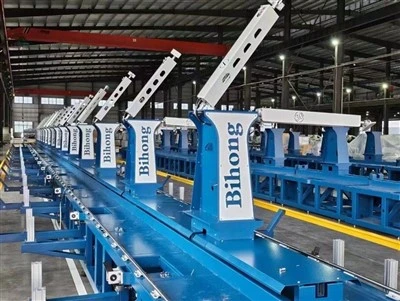
If you’re in the market for a stretcher, or you’re just looking to upgrade your screen making setup, I’m here to help. Whether you’re a small hobbyist not sure which model fits your needs, or a medium shop looking to scale up, we can walk through what works best for your space, volume, and budget. Don’t hesitate to reach out to discuss your specific requirements, and we can point you to the right gear for your operation. It’s all about finding a solution that works for you, not the other way around.
Automatic Screen Stretching Machine References:
- Screen Printing Association International. (2022). Essential Equipment for High-Quality Screen Printing.
- Print Action. (2021). The Impact of Uniform Mesh Tension on Screen Print Registration.
- Specialty Graphics Magazine. (2023). Cost-Benefit Analysis of Manual vs. Automatic Screen Stretchers for Small Print Shops.
- American Screen Printers Association. (2022). Best Practices for Screen Frame Preparation and Mesh Stretching.
- Industrial Printing Equipment Review. (2023). Maintenance Tips for Screen Fabric Stretching Machines.
Guangdong Aces Machinery Co., Ltd.
Guangdong Aces Machinery Co., Ltd. is one of the most professional screen making machine manufacturers and suppliers in China. We are committed to providing high quality equipment made in China with low price. If you’re going to buy durable screen making machine, welcome to get pricelist from our factory. Customized orders are welcome.
Address: 701, Building 5, Liandong U Valley, No.8 Zhixin 1st Road, Dagang Town, Nansha District, Guangzhou City, Guangdong Province, China.
E-mail: jessie@bhprinter.com
WebSite: https://www.bihongprinter.com/
