Hey everyone, it’s Jake here, your go-to guy for all things brush tufting machines at [your company name] – and let me tell you, nothing kills a production day faster than a random jam in your tufting machine. I’ve seen it a hundred times: a mid-run hiccup that makes you lose 20 minutes, messes up your batch, and leaves you swearing under your breath. Today, I’m walking you through exactly how to fix a brush tufting machine jam, straight from the guy who’s fixed these machines for small workshop owners and big factory lines alike. No fancy tech jargon, just real, actionable stuff I’ve picked up over 8 years of being in this game. Brush Tufting Machine
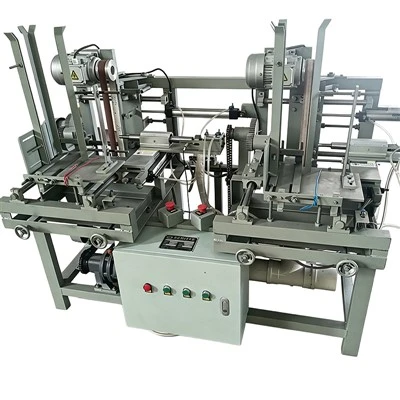
First things first – let’s get one thing straight: not all jams are the same. I see three main types every week, and each needs a slightly different approach. There’s the tiny, easy-to-fix fiber jam right at the tufting head, the bigger spool-related jam that happens when your yarn feed is off, and the mechanical jam from a worn-out part. Let’s start with the basics before you even touch the machine: safety first, always. I can’t tell you how many times a tech ignored the power cord and got a finger pinched when the machine kicked on. Hit the emergency stop, unplug the power cord, and maybe even put a little sign on it so someone else doesn’t accidentally turn it on while you’re working. Trust me, this isn’t the time to cut corners.
Now, let’s dive into the first and most common jam: the tufting head fiber jam. This is the one that looks like a tiny ball of yarn stuck right where the needles punch through to make the brush bristles. Here’s how I fix this step-by-step, no tools needed for the most part. First, once the machine is off and unplugged, gently pull back the tufting guard – it’s usually held on by two small clips, no screws here, so don’t yank it too hard. Now, take a pair of clean, blunt-tipped tweezers (sharp ones can scratch the needles, which will cause more problems later) and carefully pull out any loose fibers you see. Wait, don’t just dig around right away – look for the main cluster first. Most of the time, the jam is right at the base of the needle, so follow the needle down. If there’s a bunch of tangled yarn, you can use a small, soft bristle brush (like an old toothbrush) to brush away loose fibers before tweezing. Don’t use a metal brush here – it can damage the delicate needle tips, and a damaged needle will lead to more jams down the line. Once you’ve pulled out all the visible fibers, take a clean lint-free cloth and wipe the area where the needle moves back and forth. I keep a stack of these cloths in my tool bag just for this – lint is a huge culprit for small jams, even if you don’t notice it.
Here’s a pro tip I learned the hard way: don’t just fix the visible jam. Run your finger (clean, dry finger) along the needle’s path. If you feel any rough spots or tiny fibers stuck in the groove, get them out too. I once skipped this step and had another jam happen 10 minutes later, which cost a customer 3 hours of production time. Now, after you’ve cleaned it, put the guard back on, plug the machine in, and do a test run with no yarn. Let the needles cycle 5 times – if they move smoothly, you’re good. If not, don’t panic – it’s probably a tiny piece of fiber you missed. Go back and check again, this time looking closer at the needle’s tip.
Next up, the second most common jam: the spool and feed system jam. This happens when your yarn feed isn’t aligned, or the spool has a loose end that gets caught in the feed rollers. I see this most often with small shop owners who switch between different yarn types – thick nylon, thin polyester, whatever – and forget to adjust the feed tension. Let’s break this down. First, same safety rule: unplug the machine. Now, check your yarn spools. Are they wound tight, or are they loose? If a spool has a loose end, that’s almost always the problem. The loose end gets pulled into the feed rollers and tangles around the spool pin. To fix this, gently remove the spool from the pin, unwind about 6 inches of yarn, and tie a small knot at the end – this prevents loose ends from coming undone again.
Now, check the feed rollers. The rollers that pull the yarn into the machine can get clogged with old yarn fibers, lint, or even dust from the workshop. To clean these, use a lint-free cloth lightly dampened with rubbing alcohol – not too wet, you don’t want alcohol dripping into the machine’s internals. Wipe each roller, turning them slowly as you go to get all sides. If the rollers are hard to turn, don’t force them – use a small flathead screwdriver (the plastic kind, not metal, to avoid scratching) to gently work any stuck fibers out from between the rollers. Once they’re clean, adjust the feed tension. Most modern tufting machines have a tension knob right near the spool mount. For thick yarn, turn it up a little – for thin yarn, turn it down. I tell customers to test it: hold the yarn gently, if it pulls too hard and breaks, turn the tension down. If it’s too loose and the feed slips, turn it up. That’s a quick, easy way to get it right without guessing.
Now, the third, less common but more frustrating jam: mechanical jams. This is when something’s wrong with the moving parts – like a worn-out drive belt, a misaligned gear, or a bent needle. These can show up as a loud grinding noise when the machine runs, or the needles not moving at all. If you hear a grinding noise, stop immediately – don’t let the machine run, that’s how you break a gear and spend $200 on a replacement part. For mechanical jams, first check the drive belt. It’s the long rubber belt that connects the motor to the tufting head. Is it loose? Is it cracked? If it’s loose, there’s usually an adjustment knob on the motor mount to tighten it – just don’t over-tighten it, that will wear it out faster. If it’s cracked, you’ll need a replacement belt – and that’s easy, just call us, we can ship one out same day.
If it’s a bent needle, that’s a big one. A bent needle will cause huge jams because it can’t punch through the fabric or yarn evenly. To check, remove the tufting head guard, take out one needle at a time (they’re held in by small set screws, so use a small Allen wrench) and hold it up to the light. A straight needle will let light pass evenly, a bent one will have a kink. If you find a bent needle, replace it right away – don’t try to bend it back, that will break it mid-run. I keep a box of spare needles in every service truck, and I recommend all my customers keep 10 spare needles on hand at all times – it’s way cheaper than waiting for a replacement and losing production time.
Now, here’s the part that most people miss: preventing jams in the first place. I’d rather you avoid jams than fix them, right? So let’s go over a few simple habits. First, clean your machine every time you finish a batch. Even if it looks clean, take 5 minutes to wipe the tufting head, feed rollers, and spool mount. I once had a customer who went 3 months without cleaning and had a jam that ruined a $500 batch of brushes – just because lint had built up in the feed rollers. Second, use the right yarn for your machine. If your machine is for thick industrial yarn, don’t use thin hobby yarn – that’s a quick way to mess up the feed system. Third, check your needles and belts once a week. It takes 10 minutes, and it saves you hours of downtime.
Wait, I know what you’re thinking – “What if I try all this and the jam is still there?” Don’t worry, that’s why we’re here. I’ve fixed machines that people thought were broken for good, just because they missed a tiny part. If you’ve tried cleaning the tufting head, checked the spool, adjusted the tension, and the jam is still there, send us a video of the machine when it’s running (with the emergency stop on, so you’re safe) or give us a call. We can walk you through it step by step, or if it’s a part issue, we’ll get you a replacement faster than you can order from anywhere else.
Look, I get it – running a brush making business is stressful enough without a machine breaking down. I built my business on being the supplier that doesn’t just sell machines, but helps you keep them running. No automated phone trees, no waiting 3 days for a reply – just talk to someone who actually works on these machines every day. If you’re in the market for a new tufting machine, or you need spare parts, or you just have a question about a jam, hit us up. We’re here to make sure your production doesn’t stop because of a silly little jam.
Don’t let a bad day turn into a lost batch. Take 5 minutes, follow these steps, and get your machine back up and running. And if you ever run into a jam that stumps you, we’re just a message or call away. Let’s keep your brushes coming, no hiccups allowed.
Wood Handle Making Machine References
- Brush Tufting Machine Operation and Maintenance Guidelines, International Association of Brush Manufacturers, 2022
- Common Malfunction Troubleshooting for Industrial Textile Tufting Equipment, Journal of Manufacturing Processes, Vol. 36, 2021
- Best Practices for Fiber Handling in Tufting Machinery, Textile Machinery Maintenance Magazine, Issue 12, 2023
Tongcheng Shengfeng Machinery Factory
As one of the most professional brush tufting machine manufacturers and suppliers in China, we’re featured by quality products and good service. Please rest assured to buy durable brush tufting machine for sale here from our factory. Contact us for more details.
Address: Shapu Village, Qingcao Town, Tongcheng City, Anhui Province
E-mail: 15955686317@163.com
WebSite: https://www.shengfengmachine.com/
