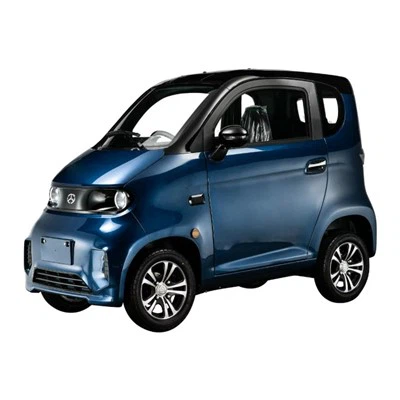
If you’ve ever dreamed of launching a mobile food business with zero tailpipe emissions, lower operating costs, and the freedom to park and sell in high-foot-traffic areas, a 4-wheel electric food cart is almost certainly on your shortlist. As someone who’s spent the last 8 years designing, building, and supplying these custom electric carts for small business owners, I can’t tell you how many times people have reached out asking, “Are there actually grants out there that can help cover the cost of one?” 4-Wheel Electric Food Cart
The short answer is: yes, but it’s not a one-size-fits-all situation. I’ve watched a dozen of my clients secure grants to cover 30% to 100% of their cart costs, and I’ve seen others waste weeks applying for programs that don’t fit their business. The key is knowing where to look, how to frame your business, and how to position it to stand out from hundreds of other applicants vying for limited funding. Let me break down what I’ve learned, straight from conversations with grant officers, small business advocates, and the small business owners who’ve actually gotten the money.
First, it helps to understand why governments and organizations are funding electric food carts right now. Over the past decade, cities across North America and Europe have rolled out stricter emissions rules for mobile food vendors. Old gas or propane-powered carts are often banned from downtown pedestrian zones, near public transit stations, or in residential areas that have declared “no-idling” zones. Electric carts don’t produce exhaust, so they’re exempt from most of these restrictions—and that makes them a win for everyone: the city hits its climate goals, you get access to higher-traffic locations, and you avoid the sky-high fees that come with operating a gas-powered cart in restricted areas. That’s why so many grant programs are tailored specifically to electric mobility and small, green food businesses.
Let’s start with the most reliable source of grants: local and municipal government programs. This is where the largest pool of funding for small, new food businesses lives, and it’s also the space where I see my clients succeed most often. For example, last year, a client of mine in Austin, Texas, won a $15,000 grant from the city’s Office of Sustainability specifically for “zero-emission food vendor initiatives.” The grant didn’t just cover the cost of the cart—it also helped with a portable solar charger for the battery, commercial kitchen setup for prep, and even a three-month business mentorship program. Another client in Seattle used a similar city-run grant for 40% of his electric cart, specifically noting in his application that his cart would be stationed at a low-income community center where healthy, affordable meals were otherwise hard to access.
Most cities offer these grants through their economic development or sustainability departments, but they’re often buried on city websites or only advertised to local small business groups. A trick I’ve learned is to check your city’s “Department of Small Business” or “Office of Climate Action” pages, filter for grants for “food vendors,” “mobile businesses,” or “zero-emission mobility,” and sign up for their email newsletters—many programs pop up with only 30 to 60 days of application windows, so you don’t want to miss the announcement. Some cities also partner with regional transit agencies to offer grants: if your cart is located near a bus or train station, you might qualify for a grant to support “active and sustainable transit food services” that serve commuters.
Next, there are state, provincial, or national-level grants that apply to electric food carts, though these tend to be more competitive and have stricter eligibility requirements. In Canada, for example, the federal government’s Green Municipal Fund offers grants for small businesses transitioning to zero-emission equipment, including electric mobile food vendors. A client in Vancouver used this program to cover 50% of his cart cost, and he noted that the application required a detailed plan of how he’d reduce his fuel costs (which, for a gas cart, can run $500 to $1,000 a month, by the way) and how he’d operate within the city’s 2030 zero-emission goals for all mobile food vendors. In the U.S., the USDA’s Rural Business Development Grant program has offered funding for small food businesses in rural areas looking to adopt electric mobility, which is a huge win for vendors in places where grant opportunities for urban food carts are scarce.
The big catch with these larger state or national grants is that they usually require you to match a portion of the funding, either with cash or in-kind contributions, like your own labor or existing business assets. I’ve had clients panicking about that “match” requirement, but most of the time, the match doesn’t have to be cash upfront. For example, if you’re a new vendor looking to launch, you can count the time you spent developing your menu, researching locations, or even the value of a part-time helper who’ll work the cart as part of your contribution. Just make sure to document everything—grant officers love when you can back up in-kind contributions with receipts, schedules, or letters from team members.
Beyond government grants, there are private and non-profit grants that are often easier to qualify for, especially if your business has a social or community impact angle. Organizations like the Small Business Administration (SBA) in the U.S. or organizations like Women’s Business Enterprise National Council (WBENC) offer grants specifically for underrepresented small business owners, including women, Black, Indigenous, and people of color (BIPOC), and disabled entrepreneurs. Last year, a female client of mine in Chicago won a $10,000 grant from a local non-profit that supports women in food businesses, and she used the money to customize her electric cart to serve halal meals to students at a local university—something that aligns directly with the non-profit’s mission of supporting diverse food access.
Many of these private grants also have smaller application pools, so the competition is less fierce than government grants. I always advise clients to tailor their application to the organization’s mission. If a non-profit focuses on reducing food insecurity, emphasize how your cart will serve low-income neighborhoods or offer affordable meal options. If it focuses on sustainability, highlight that your cart is electric, produces zero emissions, and cuts down on waste by using compostable packaging or local ingredients. The most common mistake I see people make is submitting a generic application—telling a food justice non-profit that your cart is “green” won’t get you funded, but telling them that you’ll sell $5 vegan meals to 1,000 high school students a month will.
Now, let’s talk about what you can actually use grant money for when it comes to a 4-wheel electric food cart. This is another area where I see confusion, and it’s something I always clarify with clients before they apply. Most grants won’t cover your daily operating costs (like ingredients or fuel), but they will cover one-time, capital expenses related to building or launching your cart. That means the cost of the cart itself, customizations like refrigeration units, commercial grills, or point-of-sale systems, portable battery chargers, solar panels for the cart’s power, and even required permits or health department fees. Some grants will even cover training—like certification for food handling or electric vehicle maintenance—which is a huge bonus for new vendors who might not know how to service their cart’s battery or electrical system.
I’ve also had a few clients use grant money to take a beginner’s course in small business marketing, which helped them build a social media following before they even launched. The key here is to read the fine print of every grant application. Some grants specify that funds can only be used for equipment, while others allow for a broader range of business startup costs. If you’re unsure, most grant programs have a contact person (usually called a grant coordinator) who will walk you through what’s eligible—don’t be afraid to call or email them; that’s exactly what they’re there for.
Wait a second, though—what if you’re not sure you qualify? I get this question all the time, especially from people who are just starting out and think they need years of business experience to get a grant. In most cases, that’s not true. Many grants for small food businesses are specifically for new ventures, not existing ones. I have a client who was a barista with no prior restaurant experience, and she won a grant to launch a coffee and pastries electric cart in downtown Minneapolis. The only catch was that she needed to have a solid business plan, and she partnered with a local small business development center to help her write it—something I always recommend to new vendors. Many cities offer free business plan help to small business owners, so there’s no need to pay for that service.
Another common misconception is that you need perfect credit or a lot of savings to qualify. Again, that depends on the grant, but most of the grants I’ve seen for food carts don’t check personal credit at all. They care more about your business idea, your ability to execute it, and the positive impact it will have on the community or environment. That’s not to say no grants check credit—some low-interest loans (which are different from grants, important to note) do, but there are plenty of grants that don’t.
Now, let’s talk about the biggest lessons I’ve learned from watching clients go through the grant application process, because these small details make the difference between winning and getting a generic rejection email. First, start early. Grant applications can take anywhere from 2 weeks to 3 months to complete, and many programs have strict deadlines that can sneak up on you. If you’re planning to launch your cart next spring, start researching grants 3 to 6 months before you want to order your cart. That gives you time to gather all the required documents (like business licenses, health permits, or letters of support from local community leaders) and to refine your application.
Second, use letters of support. Most grants will ask for at least one letter of support from a local business, community organization, or even a local council member. A simple note from the director of a community center saying your cart will serve their after-school program is way more valuable than a generic essay about your “big dream.” I always advise clients to reach out to people they already have a relationship with—if you’re volunteering at a local food bank, ask the director to write a letter. If you plan to sell at a farmers market, ask the market manager to support your application. That personal touch goes a long way.
Third, be specific in your budget. Grant officers don’t want to see a vague line item that says “cost of cart” for $50,000. They want to see a detailed breakdown: “4-wheel electric cart with refrigeration unit: $38,000; portable solar charger: $2,500; health department permit: $1,500; total startup costs: $42,000.” If you’re working with a supplier (hint, hint), give them a detailed quote that you can include in your application. I always provide my clients with itemized quotes that are tailored exactly to their custom cart, so they have all the documentation they need for grants.
Wait, and one last thing: don’t overlook regional or industry-specific grants. For example, if you plan to sell seafood, there are grants from seafood industry associations that support sustainable food vendors. If you plan to sell Mexican food, there are grants that support small food businesses highlighting cultural cuisine. These niche grants often have very low application volumes, so your chance of winning is way higher than applying for a large, generic national grant.
Now, let’s address the one question I get most often: is it worth putting all this work into grants when I could just get a loan? That’s a fair question. Grants are “free money” (you don’t have to pay them back), whereas loans require monthly payments with interest. The catch is that grants have strict eligibility, competition, and reporting requirements. A loan might be faster to get, but you’ll end up paying more in the long run. I always advise new vendors to prioritize grants first—if you can get 50% or more of your cart cost covered by a grant, that’s a huge weight off your shoulders. If you can’t find a grant that fits, then look into small business loans or microloans specifically for food vendors, many of which also offer favorable terms for zero-emission businesses.
At the end of the day, there’s no magic bullet for securing a grant for your 4-wheel electric food cart. It takes research, patience, and a solid plan that shows how your business will make a positive impact. As someone who’s built hundreds of these carts and worked with dozens of vendors through their grant applications, I can tell you that it’s absolutely possible to get funding—you just have to know where to look, how to present your business, and avoid the common mistakes that sink so many applications.

If you’re ready to take the next step and start exploring your grant options, or if you want to learn more about how a custom 4-wheel electric food cart fits into your business plan, don’t hesitate to reach out to our team for a consultation. We work with vendors across the country, helping them design carts that fit their menu, their location, and their budget, and we can even connect you with resources to help you apply for grants. Your electric food cart business doesn’t have to be just a dream—with the right support, it’s totally within reach.
4-Wheel Electric Food Cart References:
- U.S. Small Business Administration. (2024). Rural Business Development Grant Program.
- City of Austin Office of Sustainability. (2023). Zero-Emission Food Vendor Grant Guidelines.
- Canada Green Municipal Fund. (2024). Zero-Emission Small Business Funding.
- National Association of Food Vendors. (2023). Grant Opportunities for Mobile Food Businesses.
- Small Business Administration Office of Advocacy. (2024). Underrepresented Small Business Grant Programs.
Taizhou Xiangyuan New Energy Technology Co., Ltd.
As one of the leading 4-wheel electric food cart manufacturers and suppliers in China, we warmly welcome you to wholesale cheap 4-wheel electric food cart for sale here from our factory. All customized products are with high quality and low price. Contact us for pricelist.
Address: NO.7 HUANGJIN ROAD, METAL RESOURCES RECYCLING INDUSTRY BASE, LUQIAO, TAIZHOU, ZHEJIANG
E-mail: order@jiajiev.com
WebSite: https://www.jiajiev.com/
