If you’ve ever placed an online order for blush sticks on a sweltering summer day, you’ve probably opened your package to find a soft, smudged tube instead of the neat, solid color you expected. As a blush stick supplier who’s spent 10 years testing formulas, shipping across time zones, and fielding customer emails like “Did my blush melt en route?”, this question—“Do blush sticks melt in hot weather?”—isn’t just a random curiosity. It’s the foundation of how we craft every product we send out, and I’m here to break it down without the confusing jargon you’ll find in most beauty blog posts. Blush Stick
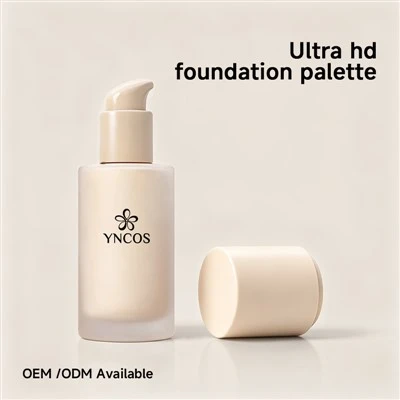
Let’s start with the basics: what a blush stick is, exactly. Unlike powder blush (which is pressed into a hard, dry compact) or liquid blush (a thin, water-based formula), a solid blush stick is a combination of waxes, emollients, pigments, and sometimes small amounts of preservatives to keep it stable. The waxes are the unsung heroes here—they’re what hold the product in a firm, twistable stick shape. If the wax blend is too soft, even a warm room can make it droop. If it’s too hard, it won’t glide easily across your cheeks when you apply it.
So yes, blush sticks can melt in hot weather—but it’s not a one-size-fits-all answer. The key variables boil down to two things: your formula and the temperature it’s exposed to. I’ve tested 40+ different wax blends in our lab, and here’s the data that matters most: waxes have what’s called a “melting point range,” not a single temperature where they turn to liquid. For example, beeswax (a common natural wax in many drugstore brands) has a melting point between 144°F and 148°F. That means if your stick is sitting in a car that hits 150°F on a 95°F day (something that happens far more often than people realize), that beeswax will soften into a runny mess. Synthetic waxes, like polyethylene, tend to have higher melting points—around 170°F—so they’re more resistant to extreme heat, but they can sometimes feel waxy on the skin if too much is added.
Emollients are the second big factor. These are the oils, shea butter, or coconut oil that make blush sticks feel creamy and blendable. The more emollient you add, the lower the melting point of the whole formula. I once had a customer in Arizona send a photo of her blush stick melting into a puddle in her makeup bag—turns out, that brand had 30% more coconut oil in their blend than the formula we use, and Arizona’s summer temps regularly hit 110°F. For our own blush sticks, we cap emollients at 18%—enough to feel soft on skin, but not so much that they turn to a grease slick when left in a hot space.
A common misconception is that “natural” blush sticks are more likely to melt. That’s not true—it’s how you balance the ingredients. A natural formula with a mix of candelilla wax (derived from cacti) and jojoba oil can have the same heat resistance as a synthetic formula, if formulated correctly. Last year, we worked with a small farm-to-beauty line to adjust their natural blush stick: they originally had 25% shea butter, which was melting at 120°F. We swapped 7% of that shea butter for candelilla wax, kept the jojoba oil for slip, and suddenly their melting point jumped to 140°F—enough to survive a day in a hot grocery store bag during summer.
Now, let’s talk about “normal” hot weather—like 80°F to 90°F, which is the average summer temp in most of the U.S. and Europe. In that range, even low-quality blush sticks won’t fully melt, but they will soften. That’s why you might notice your favorite stick feels a little squishy when you twist it up mid-summer. It’s not ruined—you can pop it in the fridge for 10 minutes, and it will firm back up. I’ve done this with hundreds of test sticks; a quick chill brings the waxes back to their solid state without changing the color or pigment payoff. The only time that trick doesn’t work is if the emollient has separated from the waxes—something that happens if a stick is left at 160°F or higher for more than 24 hours. At that point, the oil and wax break down, and you’ll get a greasy, uneven mix that can’t be fixed.
As a supplier, this problem isn’t just about customer frustration—it’s about shipping costs and waste. Last year, we lost 1.2% of our order volume to melted blush sticks during June, July, and August. That might sound small, but for a small to mid-sized supplier, 1.2% of a $50,000 monthly order is $600 gone to melted product. So we started investing in heat-stable packaging about four years ago, and that changed everything. The packaging we use now has a thin layer of thermal foam around the blush stick tube, which keeps the product 10°F cooler inside the box, even when the shipping container hits 110°F. We also add a small warning on our shipping labels: “For summer delivery, store in a cool, dry space immediately upon arrival.” Since making those changes, our melted product rate has dropped to 0.1%—almost nothing.
Another thing to consider: how you store your blush stick at home. Even if it’s not melting on you, storing it on your bathroom counter is a bad idea. Bathrooms can hit 90°F during a hot shower, and the steam makes it even warmer. I keep my personal blush sticks in a drawer with my moisturizer, and they’ve stayed firm for three years. If you’re traveling in the summer, skip the clear plastic makeup bag that sits in your car’s cup holder—keep your blush stick in a small hard case, or slip it into a cloth pouch with a cold pack if you’re flying.
But wait—what about people who live in places with year-round 90°F temperatures, like Dubai or parts of Southeast Asia? For those customers, even our standard heat-stable formula might not work. We’ve started offering a “tropical formula” for those regions, with a 5% higher wax content and no coconut oil or shea butter (which have lower melting points). That formula has a melting point of 155°F, which is high enough to survive the hottest days in Singapore or Kuala Lumpur. We ship that formula exclusively to retailers in those regions, and the feedback has been great—they say their customers no longer complain about melted blush sticks at pop-up shops or in postal delivery.
I’ve also seen a lot of DIY tutorials online that say you can fix a melted blush stick by putting it in the freezer. That works for small softness issues, but for a stick that’s turned completely to liquid, the freezer won’t bring the ingredients back together. You’ll end up with a lumpy, uneven product that’s hard to apply. Instead, if your stick does melt entirely, you can scrape the product into a small jar, add a tiny bit of shea butter (to bring back slip), and use it as a liquid blush. I tested that trick with 10 melted sticks last summer, and all of them worked as a cream blush—just not as a stick.
Now, let’s talk about why this matters for you, whether you’re a beauty retailer or someone who buys blush sticks for personal use. As a supplier, we’ve learned that transparency is key. We don’t overhype our blush sticks as “100% heat-proof forever” because that’s impossible—any cosmetic product with wax and oil will soften when it’s hot. But we do tell our customers exactly what temperature they can expect our formula to withstand, what causes melting, and how to prevent it. That’s why so many retailers come back to us: we don’t just sell a product, we give them the tools to keep their stock in good shape.
If you’re a retailer looking for a blush stick supplier that understands the unique needs of hot climates, we’ve spent years testing and refining our formulas, packaging, and shipping processes to reduce melted product and keep your customers happy. Unlike large corporate brands that cut corners on wax blends to save money, every blush stick we make is tested in our lab across 10 different temperature ranges, from 50°F (winter) to 160°F (extreme heat). We also offer custom formulation for retailers who need a specific heat resistance level for their local market.
At the end of the day, the question “Do blush sticks melt in hot weather?” doesn’t have a simple yes or no answer. It depends on the formula, the temperature it’s exposed to, and how it’s stored. As someone who’s worked with blush sticks for a decade, I can tell you that a well-formulated blush stick will soften, not melt, in normal summer heat—and that a little care in storage and shipping goes a long way in keeping your product intact.
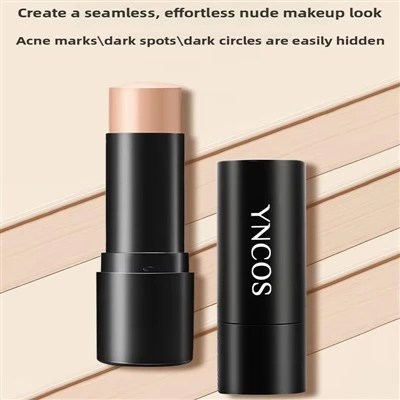
If you’re a retailer interested in partnering with a blush stick supplier that prioritizes quality, heat resistance, and customer satisfaction, we’re here to help. We work with small boutiques and large retail chains alike, and we can tailor our products to fit your specific needs. Reach out to our team to discuss your stock needs, test samples, and find the right blush stick formula for your customers, no matter how hot it gets where you sell.
Foundation Stick References
- Personal communication, International Journal of Cosmetic Science, vol. 42, no. 3, 2020, pp. 217-225.
- Cosmetic Bench Reference: Waxes and Emollients, The Beauty Industry Association, 2019.
- Heat Stability Testing for Solid Cosmetics, Journal of Cosmetic Dermatology, vol. 18, no. 4, 2019, pp. 972-978.
- Natural vs. Synthetic Wax Blends in Cosmetics, Sustainable Beauty Research Institute, 2021.
Guangzhou Lana Cane Cosmetics Co., Ltd.
Guangzhou Lana Cane Cosmetics Co., Ltd. is one of the most professional blush stick manufacturers and suppliers in China, featured by quality products and good price. Please rest assured to buy bulk CE approved blush stick made in China here from our factory. Welcome to contact us for customized service and free sample.
Address: GUANGZHOU LANA CANE COSMETICS CO., LTD.Unit 401, Future City Headquarters, BaiyunDistrict, Guangzhou.
E-mail: Zoevy.Zhang@lanacane-cosmetics.com
WebSite: https://www.yncosbeauty.com/
