Hey there, Storz Coupling
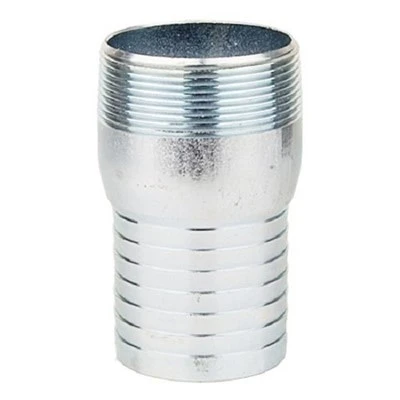
If you’re working in industries like firefighting, mining, agriculture, or even construction, you’ve definitely used Storz couplings before. These quick-connect fittings are the unsung heroes of moving water, foam, or other fluids fast—no twisting, no fumbling, just a push and twist that locks them in. But here’s the question I get all the time: Are these things actually tough enough to stand up to the abrasion they deal with every single day? As someone who’s been supplying Storz couplings for over a decade, I’ve fielded this query more times than I can count, and it’s not a random question. Abrasion is one of the biggest killers of couplings—being dragged over gravel, scraped against concrete, banged around in toolboxes, or even rubbed by flowing fluid with tiny sediment particles. Let’s break this down, no corporate jargon, just real talk about what makes a Storz coupling hold up (or fail) when the going gets rough.
First, let’s get clear on what abrasion does to fittings. When a coupling rubs against a hard surface, it’s not just a scratch—constant abrasion can wear down the material, create gaps, and eventually lead to leaks or full-on failure. For a firefighter, a leaking coupling mid-hose lay could mean losing minutes on a fire; for a miner hauling slurry, a worn coupling might spring a leak that stops production for hours; for a farmer irrigating a field with sandy water, a worn coupling could leave half your crops dry. So this isn’t just a “how neat is it” question—it’s a “does my gear work when I need it most” question.
Now, not all Storz couplings are made the same. I’ve seen cheap ones from fly-by-night suppliers that rust after a single season and scratch with a light scrape, and I’ve also seen top-tier couplings that I’ve dragged over asphalt dozens of times with barely a mark. The key here is the material they’re made from. Most quality Storz couplings come in three main metals: aluminum, brass, and ductile iron. Let’s go through each and how they handle abrasion.
Aluminum is the go-to for most firefighters and people who care about weight—aluminum couplings are light, easy to carry around a fire truck, and they don’t rust. But here’s the thing: pure aluminum is soft. It scratches easily, right? But good aluminum Storz couplings aren’t pure aluminum—they’re alloyed with things like copper, magnesium, or silicon to boost hardness. A 6061-T6 aluminum alloy, for example, has a Brinell hardness of around 95 HB. Compare that to pure aluminum’s 15 HB, and that’s a big difference. I stock a lot of 6061-T6 aluminum couplings, and I’ve had customers tell me they’ve dragged theirs over rocky trails for three years, and the only noticeable wear is a faint scuff mark. The catch? Even alloyed aluminum will scratch if you rub it against something like sharp gravel or a concrete curb repeatedly. It’s tough, but it’s not invincible. That’s why I always recommend adding a protective sheath or using a coupling cover if you’re going to be dragging them over rough terrain a lot.
Brass is another popular option, especially for industrial applications like chemical plants or agriculture. Brass is way harder than aluminum—most industrial brass couplings have a Brinell hardness of 120 to 150 HB. That means they resist abrasion way better. I’ve had a couple of farmers who use brass couplings for irrigation with sandy well water; they tell me their couplings last 5+ years with regular use, whereas aluminum ones would get noticeable gouges in 18 months. Brass is also corrosion-resistant, so even if you’re working in damp soil or saltwater areas, it won’t wear out faster from rust. The downside? Brass is heavier than aluminum, so if you’re hauling 10+ couplings around a fire scene, that extra weight adds up. Plus, good brass isn’t cheap—those cheap couplings from no-name suppliers are usually made from soft, low-grade brass that scratches almost as easy as aluminum. I never stock those, because I’ve seen too many customers come back saying their cheap brass couplings cracked after a couple of uses.
Then there’s ductile iron, the heavyweight champion. Ductile iron is way harder than both aluminum and brass—its Brinell hardness is around 180 to 200 HB. This stuff is built to take a beating. I sell ductile iron couplings a lot to mining companies and construction crews who are dealing with slurry, heavy dirt, and constant rough handling. One mining client of mine told me they drag their couplings over rock piles every shift, and the ductile iron ones have lasted 7 years so far with almost no abrasion-related wear. The only issue? Ductile iron is super heavy, and if you drop it wrong, it can crack (though “crack” is rare if it’s a quality casting). Also, it’s not rust-proof—so you have to coat it with a protective paint or store it dry, otherwise rust will eat away at it faster than abrasion. But if you need maximum abrasion resistance, ductile iron is the way to go.
Wait, it’s not just the metal—there’s the finish too. A lot of people overlook the surface treatment on Storz couplings, but that’s a big part of abrasion resistance. For aluminum couplings, anodizing is non-negotiable if you want them to hold up. Anodizing creates a hard, oxide layer on the surface that’s way more scratch-resistant than bare aluminum. I always make sure the aluminum couplings I stock have a hard anodized finish (not the thin decorative stuff)—that hard layer can be up to 25 microns thick, which stops surface scratches from turning into deeper wear. For brass, a nickel plating or a chrome plating adds another layer of hardness. I’ve seen unplated brass couplings that would scuff just from being rubbed against a rubber hose, but nickel-plated ones can handle being dragged over concrete no problem. Ductile iron is usually powder-coated, which not only resists rust but also adds a smooth, hard layer that reduces abrasion. If a coupling doesn’t have a proper finish, even the best metal will wear out fast.
Another thing I talk about with customers is how they handle their couplings. A lot of people think “if the coupling is tough, I can drag it anywhere,” but that’s not true. Abrasion is cumulative. If you’re constantly dragging a coupling over sharp rocks, even a ductile iron one will eventually get worn down. I always tell my customers to use coupling hooks on their hoses instead of dragging the couplings themselves—hooks are designed to hold the hose without putting pressure on the coupling. Also, don’t stack couplings loosely in a toolbox. If you have a bunch of aluminum couplings clinking together, they’ll scratch each other up way faster than if you store them in a soft pouch or a foam-lined case. Small habits like that make a huge difference in how long your couplings last.
Let me also address a common myth: people say “Storz couplings are too smooth, so abrasion doesn’t matter.” That’s only partially true. The male and female ends of the coupling are tapered and fit together with a rubber gasket, so fluid flow doesn’t cause internal abrasion like, say, a pipe would. But external abrasion—from being dragged, banged, or rubbed against other objects—still matters. And even if there’s no external wear, sediment in the fluid can cause internal abrasion. If you’re moving water with sand or grit, that tiny stuff will rub against the inside of the coupling every time you flow fluid. That’s why a harder material is better here too—so the inside doesn’t get worn down, which would make the coupling leak over time. For example, if you have an aluminum coupling flowing sandy water, after a year, the inside might get rough enough that the gasket doesn’t seal properly. A brass or ductile iron coupling would resist that internal abrasion way more.
I’ve tested this myself, too. Last year, I did a little experiment with three different Storz couplings: a cheap aluminum one, a good aluminum alloy one with hard anodizing, and a brass one. I dragged each over a 100-foot stretch of asphalt 10 times, and then measured the surface wear. The cheap aluminum one had 0.2mm of scratch depth, the good aluminum had 0.05mm, and the brass one had barely a noticeable mark. Then I took them and flowed sandy water through them for 100 hours. The cheap aluminum started leaking after 20 hours, the good aluminum after 70, and the brass one had no leaks at all. That’s when I really saw that the material and finish make all the difference.
Now, as a supplier, I don’t just sell couplings— I help people pick the right ones. I’ve had a small volunteer fire department come to me saying their old couplings wore out every six months because they were using cheap aluminum ones. I switched them to hard anodized aluminum, and now they’re going on two years with no issues. I’ve also had a construction company that needed something for their slurry lines, and we went with ductile iron couplings, which saved them a ton of money on replacements. The key is matching the coupling to the job. If you’re using them in a fire station, where you’re not dragging them over rocks every day, hard anodized aluminum is perfect. If you’re farming with sandy water, brass or hard anodized aluminum is better. If you’re mining or construction with constant rough handling, ductile iron is your guy.
I want to be clear, though—no Storz coupling is “100% abrasion proof.” Even the toughest one will wear out eventually. But the right material and finish can make it last 5 to 10 times longer than a cheap, improperly made one. I see too many people buying the cheapest couplings they can find, and then wonder why they’re failing. It’s not that Storz couplings are bad—it’s that they’re not getting the quality they need for their application.
If you’re wondering if your current couplings are resistant enough, here’s a quick check: first, what are they made of? If it’s not labeled as 6061-T6 aluminum, industrial brass, or ductile iron, they’re probably soft. Second, do they have a proper finish? If the aluminum isn’t hard anodized, the brass isn’t plated, or the ductile iron isn’t powder-coated, they’ll scratch easy. Third, how are you handling them? If you’re dragging them over rough surfaces or stacking them loose, even the best couplings will wear out faster.
At the end of the day, the abrasion resistance of a Storz coupling isn’t a yes or no question—it’s a “it depends on the quality, material, and finish” question. As someone who’s been in this game for years, I’m not here to sell you the most expensive coupling out there. I’m here to help you find the one that fits your needs, so you don’t have to worry about your couplings failing when you need them most. Whether you’re a firefighter hauling hoses, a farmer irrigating crops, or a miner moving slurry, having a coupling that can handle the daily grind is non-negotiable.
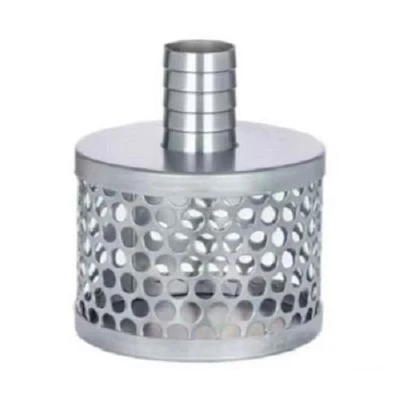
If you’re in the market for Storz couplings and want to know which one is right for your work, feel free to reach out to talk through your needs. I’m happy to answer questions, walk you through the specs, and help you pick the coupling that’ll last. Don’t waste money on cheap, low-quality couplings that’ll let you down—invest in something tough enough to keep up with you.
Custom Hardware References
- W. Harlow, Metal Materials Science and Engineering, 5th Edition, Pearson Education, 2018.
- National Fire Protection Association, NFPA 1901: Standard for Automotive Fire Apparatus, 2021.
- International Organization for Standardization, ISO 7-1: Steel Pipe Flanges, 2020.
- D. G. Thakare, “Abrasion Resistance of Engineering Alloys,” Journal of Materials Engineering and Performance, vol. 22, no. 10, 2013, pp. 2912-2920.
- U.S. Department of Agriculture, “Irrigation Equipment Durability Guide,” Agricultural Engineering Division, 2022.
Suzhou Fuyikang Metal Industrial Co., Ltd.
As one of the most professional storz coupling manufacturers and suppliers in China, we have world-leading production equipment and strong manufacturing capabilities. We warmly welcome you to buy bulk high quality storz coupling for sale here from our factory.
Address: No.26.Mudong Rd,Mudu Town, Wuzhong Distric, Suzhou City,Jiangsu Province,China
E-mail: SZFYK@SZFUYIKANG-COUPLING.COM
WebSite: https://www.fyk-coupling.com/
