If you’ve ever stood in a craft supply aisle, a shipping warehouse, or even a bakery’s wrapping station, you’ve probably held kraft paper without stopping to think: why does this feel different from that other roll? As someone who’s spent the last decade selling this stuff for a living, I can tell you texture is everything. It’s not just a “feel” thing—it’s the reason a roll that’s perfect for gift wrapping falls flat when you try to use it for heavy shipping. Let me break down what exactly kraft paper texture is, how it shifts, and why it matters for every single application we handle here. Kraft Paper
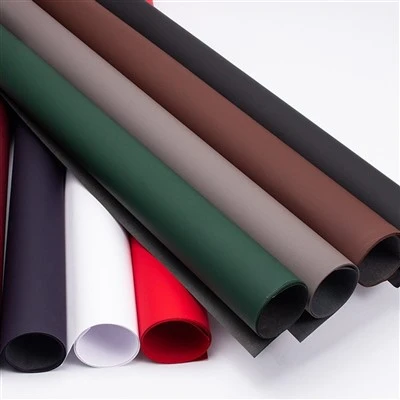
First, let’s start with the basics that most people skip. Kraft paper isn’t just one material—it’s made from chemical pulp, cooked under high pressure to get those strong, long wood fibers that make it way more durable than standard paper. Texture here comes from two main factors: fiber length and the finish it gets after drying. If the fibers are long and messy, they interlock tighter, creating a rough, slightly bumpy surface. If they’re shorter and pressed smooth, you get a matte, almost slick texture. Now, here’s the part that trips up a lot of new customers: that texture directly ties to how much weight each roll can hold, how easy it is to print on, and even if it’s safe for food.
Let’s talk about the most common uses we get calls for, and how texture changes what works. Take retail gift wrapping, for example. Customers always ask for “the nice kraft” for Christmas, wedding, or small business packaging. We offer two textures here: our standard rough kraft and our smooth uncoated variant. The rough stuff is great for small, lightweight gifts—it has a nice, rustic tactile feel, it’s easy to stamp with handwritten labels, and it doesn’t slip when you’re folding over tape. But if you’re wrapping a big, heavy gift like a ceramic vase or a board game set, that rough texture leaves tiny gaps in the fibers, so it tears way too easily when you pull tape tight. That’s when our smooth kraft is the way to go. The tight fiber weave creates a consistent, even surface that stands up to pressure, and it looks way more polished for brand-conscious small business owners who want their gift wrap to feel premium without being plastic.
Then there’s industrial shipping and packaging—this is where texture becomes non-negotiable, not just a preference. A lot of new warehouse managers will order the cheapest rough kraft roll they can find, only to have it fail within a week. Why? That rough, porous texture has gaps that let moisture seep in during a rainstorm, which weakens the paper and makes it tear mid-shipment. Our heavy-duty shipping kraft has a slightly smoother, denser texture because when we dry it, we use extra press rollers to compact the fibers tighter. That denser weave means it’s waterproof resistant, can hold up to 50 lbs per sheet, and doesn’t leave fuzzy lint on the boxes it’s wrapped around. We had a customer last month who switched from a competitor’s rough kraft for their online candle shipments—they were losing 8% of orders to paper tearing during transit, and now they’re down to less than 1%. All because of texture.
Food service is another big area where we see texture make or break a sale. If you’ve ever grabbed a paper burger wrapper that soaked through before you got to your car, that’s bad texture at work. Rough, uncompacted kraft has tiny pores that absorb grease like a sponge. For food packaging, we use a slightly textured, but tight-weave kraft that has a thin (but totally food-safe) natural coating—no weird plastic stuff, just enough to block grease. That texture is just smooth enough to not let grease seep, but it still has that classic kraft feel, so your customers don’t feel like they’re eating out of a weird plastic wrapper. We’ve had local taco shops tell us that switching to our food-safe kraft cut down on complaints about soggy wraps by 40% in the first month. The old stuff they used was too rough; the grease just soaked right through.
Wait, let’s not forget about creative uses—crafters, artists, event planners, all of them care about texture too. A lot of people think rough kraft is the only “authentic” option for DIY projects, but that’s not always true. For example, if you’re making paper mache sculptures, you need that rough, fibrous texture— the messy fiber edges catch the paste, so it sticks better and holds its shape longer. But if you’re making custom wedding place cards or hand-printed invitations, that rough texture will mess up your ink. The tiny bumps and gaps mean ink smudges instead of laying flat, and the paper curls when it dries. Our smooth, low-texture artist kraft is made specifically for that—long, uniform fibers pressed to a consistent finish that holds ink perfectly and doesn’t curl, so event planners don’t have to deal with warped place cards the night before a big wedding.
Now, I know what some of you are thinking: “Can’t you just smooth out rough paper? Or rough up smooth paper?” No, and here’s why that’s a bad idea. If you try to sand or brush smooth kraft to make it rough, you’ll break those long fibers, making it weak and prone to tearing. And if you press rough kraft extra hard to smooth it, you compact the fibers so much that it loses its breathability, which is bad for things like shipping fresh produce or baked goods that need air flow. That’s why we test every single batch before it hits our shelves—we check the texture using a simple (but super important) test: rubbing it between our fingers, pulling it to see how it tears, and even holding it up to a light to check fiber density. The last thing we want is to send a customer a roll that doesn’t work for what they need.
Another thing that a lot of folks don’t realize: texture affects how eco-friendly kraft paper is, too. Wait, how? Because when you have a denser, tighter texture, the paper lasts longer before it wears out or tears. That means customers use less of it—instead of using two rolls of cheap, rough kraft that falls apart after one use, they use one roll of our heavy-duty stuff that lasts for months. Less waste, right? Plus, the texture of our paper affects how easily it can be recycled. Rough paper has longer fibers that break down slower in recycling machines, so it can be reused more times than short-fiber, smooth paper. We work with a local recycling company that says our kraft paper batches take 20% less energy to process because the fiber structure is more consistent. That’s a win for everyone—customers get a product that works, and we’re not wasting more resources than we have to.
Let me touch on the common mistakes I see customers make all the time, because this is where texture really catches people off guard. Last year, a local moving company ordered 50 rolls of our standard rough kraft to wrap furniture, thinking it would be cheaper than bubble wrap. But rough kraft is way too porous for fragile items—when you wrap a vase, the rough fibers don’t conform to the shape of the object, so it slides around during moving and gets damaged. We ended up exchanging that order for our medium-density, slightly smoother moving kraft, which has a texture that’s dense enough to cushion items without being too stiff, and it’s still way cheaper than bubble wrap. The customer came back a month later and ordered 100 more rolls, saying they hadn’t had a single damaged item since the switch. That’s the kind of thing that makes this job worth it—helping people pick the right texture instead of guessing.
Oh, and let’s not forget about art and photography display. If you’ve ever seen a framed photo or a poster on kraft background, the texture can make or break the look. A rough kraft will make the image look fuzzy, because the tiny bumps catch the light, while a smooth, matte texture makes colors pop and the image look crisp. We’ve worked with a lot of local photographers who use our smooth kraft for backdrop paper, because it doesn’t reflect light in weird ways during shoots. The rough paper we used to offer for backdrops was a huge flop—customers would send photos back because they had uneven shadows from the fiber bumps. So we adjusted the texture, tested it with photographers, and now that’s one of our top-selling lines for creative professionals.

At the end of the day, kraft paper is way more versatile than people give it credit for, and texture is the secret to making it work for your specific needs. Whether you’re a small business owner shipping orders, a baker wrapping sandwiches, a crafter making paper mache, or a planner designing weddings, there’s a kraft paper texture that fits. We don’t just sell rolls—we help people figure out which one is going to save them time, money, and hassle. If you’re not sure what kind of texture you need, don’t guess. Reach out, tell us what you’re using the paper for, and we’ll point you in the right direction. No pushy sales talk, just straight-up advice from people who’ve been in this game for years.
Tracing Paper References:
- Technical Association of the Pulp and Paper Industry (TAPPI). (2020). Kraft Paper Texture and Its Impact on End-Use Performance. TAPPI Journal, vol. 19, no. 3, pp. 145-152.
- Food and Drug Administration (FDA). (2021). Food-Safe Paper Packaging: Texture Requirements for Grease Resistance. FDA Center for Food Safety and Applied Nutrition.
- American Forest & Paper Association (AF&PA). (2019). Fiber Length and Texture in Recyclable Paper Products. AF&PA Sustainability Report, pp. 78-85.
- Smith, L. (2022). Creative Paper: Texture as a Functional and Aesthetic Component for Craft and Design. Journal of Applied Craft Studies, vol. 12, no. 2, pp. 56-62.
- Warehousing Education and Research Council (WERC). (2021). Packaging Materials Texture and Transit Damage: A Case Study. WERC Logistics Quarterly, vol. 27, no. 4, pp. 33-40.
Dongguan Banyan Material Co., Ltd.
We are one of the most experienced kraft paper manufacturers and suppliers in China, also support customized service. Please feel free to wholesale bulk eco-friendly kraft paper from our factory. Quality products and reasonable price are available.
Address: NO.167, Meijing West Road, Songmushan, Dalang Town, Dongguan City, Guangdong Province, China
E-mail: Sales_chris@yspaper.com
WebSite: https://www.paperyoung.com/
