If you’ve ever walked into a machine shop, a metalworking garage, or even a custom woodworking space, you might’ve seen an arbor press in action—sitting on a workbench, loud, steady, and way more versatile than it looks at first glance. I’m a supplier of these presses, and let me tell you, I get so many questions from folks who think it’s just for “pressing things together.” Nah, it’s way more functional than that, and I’ve seen it used for jobs that’d make you go, “Wait, that’s what an arbor press does?” Let’s break down the actual uses, no jargon, no fancy corporate fluff—just real stuff I’ve seen day in and day out. Arbor Press

First off, let’s get one thing straight: an arbor press isn’t a hydraulic press. Hydraulic presses use fluid to generate huge, brute force, but arbor presses are manual—you crank a lever or pull a handle, and that mechanical advantage gives you consistent, controlled force. That consistency is why it’s perfect for jobs where you don’t want to overdo it. Too much force, and you’ll snap a part, bend a metal tab, or crack a wood piece; too little, and the job won’t hold. That sweet spot is where arbor presses shine.
Let’s start with the most common use: assembling and pressing components into parts. Think bearings. If you’re building a lawnmower engine, a bike crankset, a small gearbox for a toy robot, or even a kitchen appliance like a stand mixer, you need to press bearings onto shafts. Do it with a rubber mallet, and you might angle the bearing, damage the inner race, or get it so loose it falls out in a week. With an arbor press, you can align the bearing dead straight, apply even pressure, and stop exactly when it’s seated. Same with pins, bushings, and sleeves. Ever had a door hinge pin that’s stuck? Instead of beating it out with a hammer (which will mess up the hinge), an arbor press pushes it out clean. I’ve even seen our presses used to install axles on small utility carts—way faster and neater than hammering, no bent axles.
Next up: small-scale metal fabrication and sheet metal work. A lot of new metalworkers don’t realize arbor presses can bend and form thin sheet metal perfectly. Say you need to make a small bracket for a car’s interior, a custom clip for a bike’s brake line, or a decorative metal tag. You can fit a die (a custom-shaped metal block) into the press, place the sheet metal over it, and lower the ram to bend it at a precise angle. No messy breakage, no warping—just clean, repeatable bends. We even sell extra die sets specifically for that, because it’s such a popular use. And for punching holes in thin metal? A punch tool on an arbor press makes clean, sharp holes without the burrs you get with a hand punch or drill press. I’ve had a customer who builds custom birdhouses out of tin use our press to punch ventilation holes—way faster than using a drill every time.
Then there’s woodworking, especially precision joinery. Wait, woodworking? Yeah, arbor presses aren’t just for metal. A lot of woodworkers use them to press dowels, tenons, and custom joinery pieces. If you’re building a set of furniture and you want a tight dowel joint, glue the dowel, put the two pieces together, and set the press to apply steady pressure for a few minutes. It ensures the joint’s fully seated, no gaps, and it’s way less tiring than clamping with a bunch of bar clamps. Even for things like pressing a metal inlay into a wood sign—say you’re making a custom name sign for a customer, you carve a slot in the wood, glue a brass or aluminum inlay, and use the press to push it in perfectly flat. No hammering the inlay, which would split the wood. I’ve also seen a small boat builder use an arbor press to press custom wooden pegs for a wooden canoe—way more controlled than tapping them in with a mallet.
Oh, and let’s not forget repair work. I get so many calls from repair techs who fix everything from small engines to vintage tools. If you have a vintage hand drill that’s missing a bearing, a 1950s toy car with a loose wheel hub, or a lawn trimmer with a bent drive shaft, an arbor press can fix it without ruining the part. Once, a guy brought in a vintage model train set that had a gear stuck on its axle—he’d been prying at it for hours and almost broke the axle. We pressed it off in 10 seconds, no damage. Even for fixing plastic parts, wait—yes, plastic! If you have a cracked plastic housing for a power tool, some repair techs use a press to align the pieces before gluing, so the bond is strong. Just make sure you use a soft interface (like a rubber mat) so you don’t dent the plastic.
Wait, what about custom part modification? A lot of hobbyists and small manufacturers use arbor presses to adjust or mod parts. For example, if you have a metal plate that needs a small notch, you can use a slotting tool in the press to cut it instead of a saw. Or if you have a bolt that’s too long, you can use a cold-cutting die in the press to snip it clean, no burrs. And for firearms? Wait, no, not anything illegal—just small, hobbyist gunsmith work, like pressing front sights onto rifle barrels. Gunsmiths love arbor presses because they need that exact, controlled force; too much and you’ll scratch the barrel, too little and the sight will fall off. Same with pressing trigger pins in place—super precise, no mistakes.
Now, let’s talk about why this matters for you, especially if you’re running a small shop, a home garage, or a custom business. A lot of people go for big, fancy hydraulic presses, but if you don’t need 20 tons of force, an arbor press is way cheaper, takes up less space (we sell benchtop models that fit on a small workbench), and uses no electricity. You just crank a handle—no plugging in, no loud pumps, no mess. It’s reliable; I’ve had customers use our presses for 10+ years without any major issues, just basic maintenance like oiling the moving parts.
Wait, I should mention one thing: it’s not for every job. If you’re moving 50 tons of metal, a hydraulic press is the way to go. But for all those small, precision jobs—90% of the stuff our customers do—an arbor press is the best tool. It’s the unsung hero of the workshop, honestly. You don’t see it on TV shows as much as a drill press or a lathe, but once you start using one, you wonder how you ever lived without it.
If you’re someone who’s tired of hammering parts out, dealing with misaligned bearings, or having messy joints that break after a week, it’s time to check out an arbor press. We’ve got models for every need: small benchtop ones for hobbyists, mid-sized for small manufacturers, and heavy-duty floor models for busy shops. We also sell all the accessories—dies, punches, bearing drivers, the whole kit—so you don’t have to hunt around for random parts.
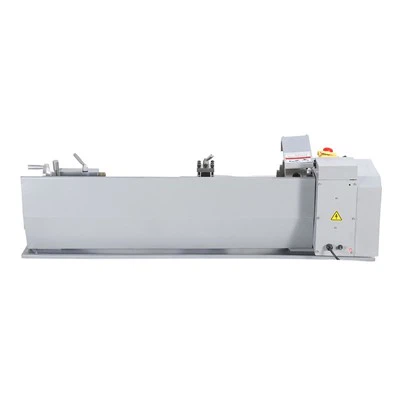
If you have questions about which press is right for your specific job, or want to chat through how it can fit into your workflow, don’t hesitate to reach out. No pressure, just help—we’ve been supplying these presses for years, and we know exactly what works for different setups.
Benchtop Metal Lathe References:
- Machinery Handbook. Industrial Press, 2022.
- Small Workshop Tool Review. Garage Gear Magazine, vol. 18, no. 3, 2023, pp. 45–52.
- Precision Metal Fabrication Techniques. DIY Metal Works Co., 2021.
- Woodworking Joinery Essentials. Custom Wood Guild, 2022.
YS Machine Tools Co., Ltd.
We’re well-known as one of the leading arbor press suppliers in China, featured by quality products and good service. Please rest assured to buy customized arbor press at competitive price from our factory. Contact us for more details.
Address: 300 Sandusky st, Ohio, 43611, USA
E-mail: yishoumachinetools@gmail.com
WebSite: https://www.ysmachinetool.com/
