If you’ve ever stood in a metal fabrication shop, woodworking studio, or pharmaceutical packaging facility, you know how critical a well-functioning dust collector is to keeping operations running smoothly—and keeping your team safe. But here’s the thing I tell every customer who calls our dust collectors supplier line: a dust collector is only as good as its filters. I’ve seen perfectly sized, high-capacity units grind to a halt because no one remembered to clean the filters. Last year, a small cabinet shop in Ohio called me panicking because their saw dust collector was dumping fine wood powder all over their finished cabinet pieces, costing them $12,000 in rework. When we sent our service tech out, the problem was a 3mm layer of caked saw dust on the filter media that had blocked 40% of the airflow. That’s when I knew: writing a clear, step-by-step guide to cleaning dust collector filters isn’t just useful—it’s necessary. And I’m not here to give you generic, one-size-fits-all advice. I’m here to share what I’ve learned over 12 years working in this industry, helping thousands of customers keep their dust collectors operating at peak efficiency. Dust Collectors
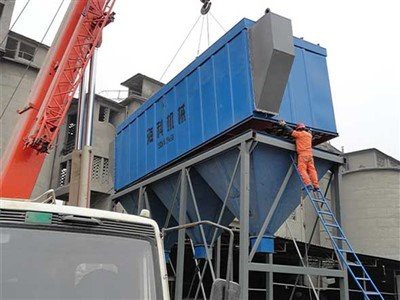
First, let’s get one thing straight: there’s no “one right time” to clean your filters. A lot of suppliers will tell you to clean them every 90 days, but that’s like telling a restaurant to deep-fry their fries every Tuesday—what works for one facility won’t work for another. The frequency depends on three big factors: what you’re capturing, how often you run the dust collector, and the type of filter media you use. For example, if you run a metal fabrication shop 24/7 cutting steel, your filters will get clogged with fine metal shavings in 2–3 weeks. If you run a woodworking studio part-time on soft pine, you might get 6–8 weeks between cleanings. The best way to track when filters need cleaning is to watch your system’s pressure gauge. Most dust collectors come with a manometer that measures static pressure across the filters. When that pressure rises 1.5–2 times the base pressure (the pressure when the filters are perfectly clean), that’s your cue to clean. That’s the rule of thumb we teach all our customers, and it’s never steered them wrong.
Before you even touch a filter, though, there are a few non-negotiable safety steps. I can’t stress this enough: dust collection systems handle highly combustible material—wood dust, metal fines, plastic powder—so cutting corners here is dangerous. First, turn off the dust collector and disconnect the power source. Lock it out and tag it so no one accidentally turns it on while you’re working. Then, make sure the area around the collector is clear of any debris or flammable materials. Finally, wear the right personal protective equipment: a N95 respirator (at minimum, N99 if you’re handling fine metal or silica dust), safety goggles, and nitrile gloves. I once had a customer skip the respirator to “save time” when cleaning filters, and by the end of the day, he had a persistent cough that lasted for three weeks. Don’t make that mistake.
Now, let’s talk about the actual cleaning process. The method you use depends on what type of filter you have. Most dust collectors use two main types of filter media: polyester needle felt bags (common in woodworking and general industrial use) and pleated cartridge filters (popular in metalworking and pharmaceutical facilities). I’ll break down cleaning steps for both, since those are the two types our customers ask about most.
Starting with filter bags, since those are the most common in smaller to mid-sized systems. First, you need to remove the bags from the collector. Open the access panel on the side of the unit, which is usually secured with wing nuts or a quick-release latch. Be careful when you pull the bags out—don’t yank them, because if the dust is caked on, it can shed all over the floor. I always keep a heavy-duty plastic drop cloth under the access panel to catch loose dust. Once the bag is out, give it a gentle shake over the drop cloth first to remove any loose surface dust. Now, if the caked dust is on the inside of the bag (which is common in systems where air flows into the bag from the outside), you’ll need to clean the interior. The best way here is compressed air, but not just any compressed air—you need a low-pressure, targeted stream. Set your compressor to 30–40 PSI (don’t go higher than 50 PSI, because that can damage the felt fibers of the bag). Hold the nozzle 6–8 inches away from the inside surface of the bag, and spray in a circular motion, moving slowly from the top of the bag to the bottom. Don’t hold the nozzle in one spot too long—this can burn a hole in the felt. For bag filters, never use a brush; the stiff bristles will tear the media. If the dust is really caked on (like dried adhesive or heavy metal shavings), you can use a soft, lint-free cloth dampened with warm water and a mild, pH-neutral detergent. Let the bag air dry completely before putting it back—if you put a wet bag on, it will trap moisture and lead to mold or dust caking faster.
Next, pleated cartridge filters, which are more common in higher-efficiency dust collectors. These are a bit more delicate than bag filters, so you have to be more careful. Start by removing the cartridge from the collector. Cartridges are usually secured with a clamp or bolt at the top, so loosen that and lift it straight out (don’t twist it, because that can damage the pleats). Again, lay it on a drop cloth to catch loose dust. The worst mistake people make with cartridge filters is using high-pressure air to clean them—most pleated cartridges are rated for cleaning at 20–30 PSI, because the fine pleats are easily damaged. If you use too much pressure, you’ll blow a hole in the pleat, and the filter will be useless. For cartridge filters, the most effective cleaning method is reverse pulse air, which is what industrial dust collectors with automated cleaning systems use. If your unit doesn’t have that, you can use a compressed air wand with a narrow nozzle, held at a 45-degree angle, to blow dust out from the inside of the pleats. You’ll want to rotate the cartridge as you do this, so you clean every pleat evenly. If you’re dealing with fine dust like silica or pharmaceutical powder, you can also use a soft-bristled brush (a natural bristle brush, not synthetic) to gently agitate the pleats and dislodge dust, but only use this on the exterior—never brush the inside of the pleats. For very stubborn caked dust, you can wash the cartridge with a mild detergent and cold water, but you have to let it dry for 24–48 hours before reinstalling. Putting a damp cartridge on a dust collector is a surefire way to cause a pressure drop and filter failure.
Wait a second—what if your filters are too clogged to clean? That’s a question we get all the time. I always tell customers to check the integrity of the filter media after every cleaning. If you see holes, tears, or permanent discoloration that doesn’t come off with washing, it’s time to replace the filter. A lot of people try to “band-aid” a bad filter with extra cleaning, but that’s a waste of time and money. For example, a woodworking filter that’s been used for three years will have worn felt fibers that can’t hold fine dust, even after cleaning. Also, make sure you’re using the right replacement filters for your system. A common mistake customers make is buying a cheaper, universal filter instead of the OEM (original equipment manufacturer) filter that fits their dust collector. The wrong filter won’t have the correct micron rating or airflow capacity, so it will clog faster and not perform as well.
Another thing I want to talk about is proactive maintenance. Cleaning your filters is only half the battle—there are a few small things you can do between cleanings to make the process easier and extend the life of your filters. First, check the drain on your dust collector every week. If the hopper is full of dust, that can create backpressure that makes your filters clog faster. Empty the hopper when it’s ½ to ¾ full, not when it’s overflowing. Second, if you’re running a system that generates very fine dust, like aluminum or silica, you can use a pre-filter. Pre-filters catch large particles before they reach the main filter, so your main filter stays clean longer. We sell pre-filters for all our dust collectors, and our customers who use them report filter lifespans that are 30–40% longer. Third, if you have an automated cleaning system (pulse-jet cleaning), make sure you’re calibrating the pulse pressure every six months. A pulse pressure that’s too high will damage filters, and pressure that’s too low won’t clean them effectively.
I mentioned earlier that I saw a customer who had a problem with filters clogging, and that’s not an isolated incident. Last month, I got a call from a food processing plant that was having issues with their dust collector for wheat flour. They were cleaning their filters every two weeks, but they were still getting leaks. When our tech went out, he found that they were using the wrong filter media—they had a polyester filter that’s not rated for flour dust, which is more abrasive. We replaced their filters with food-grade polypropylene media, and now they only clean them every six weeks, and their leak rate dropped to zero. That’s why it’s so important to match your filter media to the material you’re capturing.
Now, let’s talk about common mistakes I see all the time, because avoiding these will save you a lot of time and money. First, rushing the cleaning process. I’ve seen people spend 10 minutes trying to clean a cartridge, when it takes 30 minutes to do it properly. Rushing leads to incomplete cleaning, which means your pressure gauge will still show high pressure, and you’ll have to clean again sooner. Second, not letting filters dry completely. This is a big one, especially in humid climates. If you put a wet bag back on the collector, the moisture will create a breeding ground for mold and bacteria, and the dust will cake on twice as fast. Third, skipping the pre-cleaning check of the power source. I had a customer who turned on the dust collector before finishing a cleaning, and the fan blew loose dust all over his new CNC router, costing him $8,000 in repairs. Lockout/tagout is non-negotiable, no matter how small the job is.
If you’re new to maintaining your dust collector filters, or if you’ve tried cleaning them and still have issues, don’t hesitate to reach out. Our team of experts has helped hundreds of customers with filter maintenance, from small woodworking shops to large industrial facilities. We can help you figure out your cleaning schedule, recommend the right filter media for your application, and even guide you through the process step-by-step over the phone. If you’re in the market for a new dust collector, or if you need replacement filters or service for your current unit, we’re here to help you every step of the way.

Keeping your dust collector filters clean isn’t just about keeping your operations running—it’s about keeping your team safe, your product high-quality, and your equipment lasting as long as possible. I’ve been in this industry long enough to know that cutting corners on filter maintenance always comes back to bite you, in the form of expensive repairs, reworked product, or even safety incidents. Take the time to do it right, and you’ll save yourself a lot of headaches down the line.
Drying Equipment References:
- American Conference of Governmental Industrial Hygienists. Industrial Ventilation: A Manual of Recommended Practice, 30th Edition. ACGIH, 2021.
- Dust Collector Filter Media: Selection, Installation, and Maintenance. National Fire Protection Association (NFPA) 654: Standard for the Prevention of Fire and Dust Explosions from the Manufacturing, Processing, and Handling of Combustible Particulates, 2022.
- Industrial Dust Collection Systems: Operation and Maintenance Guidelines. OSHA Technical Manual, Section I: Chapter 7, 2020.
- Filter Cleaning Best Practices for Commercial Dust Collection. Powder Handling and Processing Association (PHPA) Guidelines for Dust Control and Filtration, 2021.
Jiangsu Haike Environmental Tech Co., Ltd.
As one of the most professional dust collectors manufacturers and suppliers in China, we’re featured by quality products and good service. Please rest assured to wholesale customized dust collectors at competitive price from our factory. Contact us for quotation.
Address: No.1, Wei’er Branch Road, Shanggang Industrial Park, Jianhu County, Yancheng City, Jiangsu Province, China
E-mail: 17388487000@163.com
WebSite: https://www.jshkhbwm.com/
