If you’ve ever stood next to a commercial LPG tank at a café, food truck, or residential backyard grill, you’ve probably wondered: how long does this equipment actually last? As someone who’s spent the last 12 years selling and servicing LPG systems for homes and small businesses, I get this question all the time—and for good reason. LPG is a safe, reliable energy source, but like any piece of hardware, its lifespan depends on way more than just how old it is. LPG Equipment

Let’s start with the most common piece people ask about: LPG cylinders. A lot of folks don’t know that in most regions, LPG cylinders have a formal, mandated lifespan. Here in my area, for example, transportable steel cylinders (the ones you swap at the grocery store or grill shop) must be requalified every 10 years. That means taking the cylinder out of commission, checking for internal corrosion, dents, or valve wear, and either repairing it or stamping it for another 10 years of use. What many people don’t realize is that even if a cylinder passes its requalification, it still has a total lifespan of about 30 years for steel models—after that, the material degrades so much that there’s no safe way to test it, and it has to be scrapped. Composite cylinders, which are lighter and more common for RVs and small boats, have a shorter total lifespan, usually around 15 to 20 years. I see a lot of customers try to stretch a cylinder past its requalification date, or even use a cylinder that’s been sitting in their garage unused for 10 years, and that’s where problems start. LPG isn’t just gas—it’s pressurized, and even small, undetectable leaks in an old valve or a corroded seam can turn into a hazard if you push the timeline too far.
Moving on to permanent LPG systems: the tanks that sit in your backyard for your whole house or a commercial operation like a restaurant. These are usually buried or above-ground steel tanks with a thicker gauge, and their lifespan is longer, but again, it’s all tied to maintenance. A well-maintained above-ground steel LPG tank can last 30 to 40 years, maybe even longer, if you keep it away from harsh chemicals, avoid driving heavy equipment over it (I’ve seen that more than once, it bends the outer casing and sets up corrosion), and have it inspected regularly. Buried tanks last a bit less, usually 20 to 30 years, because they’re exposed to soil moisture, groundwater, and even underground chemicals like road salt or fertilizer runoff that eat away at the metal. The biggest killer of permanent LPG tanks isn’t age—it’s corrosion. Even if you don’t see rust on the surface, internal corrosion from water that gets trapped in the tank’s bottom is a silent, big issue. That’s why we always tell customers to have their tank drained of condensate every year or two, not just when they refill it. I had a restaurant client last year who skipped that maintenance, and their 18-year-old tank developed a 2-inch pinhole from internal corrosion. It cost them a day of service to replace it, plus $1,200 in repair fees for the floor under the tank that had absorbed leaking LPG. That’s a good example of how small, regular care adds years to a system’s life.
Then there are the components people don’t talk about as much: the regulators, hoses, valves, and piping that make up the rest of the LPG system. These parts have much shorter lifespans than the tanks or cylinders, and they’re the most important to replace on schedule. Regulators, which control the pressure of LPG as it moves from the tank to your appliances, typically last 10 to 15 years. Hoses, especially the flexible ones that connect a cylinder to a grill or a generator, are even shorter—usually 5 to 7 years, sometimes less if they’re exposed to sunlight, grime, or being rubbed against sharp edges. I always advise commercial clients to replace their grill hoses every 2 years, because they’re exposed to grease and high temperatures that break down the rubber. Valves, whether on a small cylinder or a permanent tank, last about 15 to 20 years, but they need annual checks for leaks and functionality. I’ve had customers call us because their grill won’t light, and it turns out it’s just a 3-year-old hose that’s cracked, not a faulty regulator or a bad tank. It’s way cheaper to replace a $20 hose than to call a technician to fix a $500 regulator because you skipped the small, regular checks.
Now, I know some of you are thinking: “My cousin had a grill that’s 25 years old, still works fine. Does that mean I can ignore timelines?” Here’s the thing— those exceptions are rare, and they come down to how you use and care for the equipment. Let’s talk about the factors that shorten or extend LPG equipment lifespan, because that’s the part most supplier guides leave out.
First, usage frequency. A LPG cylinder for a backyard grill that’s used once a week in summer will last way longer than a cylinder used for a food truck that operates 12 hours a day, 6 days a week. Constant cycling between full and empty, plus the stress of being moved around (like a food truck’s cylinder being jostled on the road) wears on valves and seals much faster than a stationary, residential grill.
Second, environmental conditions. If your LPG tank is in a coastal area with salt air, corrosion happens 2 to 3 times faster than in an inland area with dry climate. If your grill is left out in the sun year-round, the hose rubber breaks down in half the time it would if you stored the grill under a cover when not in use. We work with a lot of clients in Florida, for example, and we advise them to replace their regulators every 8 years instead of 15, because of the constant humidity and salt exposure.
Third, installation quality. This is where a lot of people cut corners, and it hits the lifespan hard. If you have a non-professional install a permanent LPG tank, they might not set it at the right angle to drain condensate, or use cheap piping that’s not rated for LPG, which can corrode in 10 years instead of 20. I’ve had customers come to us after a DIY install, and their 5-year-old system has a leak because the fitter used regular PVC instead of LPG-rated CPVC. That’s a mistake that costs thousands, and cuts the system’s life by a decade or more.
Fourth, maintenance. This is the biggest one. I’ve seen a well-maintained 40-year-old LPG tank that’s still in perfect shape, and a neglected 10-year-old tank that needs to be scrapped because of corrosion. Simple steps like: checking for leaks with soapy water (you can do this at home—mix dish soap and water, spray it on hoses and valves, if it bubbles, there’s a leak), replacing hoses on schedule, getting annual pressure checks for regulators, draining condensate from tanks every year. All of these add years to your equipment.
Wait, but what about the science behind why LPG equipment has these timelines? It’s not arbitrary government rules—most of these requalification and replacement guidelines come from the American Petroleum Institute (API) and the National Fire Protection Association (NFPA), which have spent decades studying LPG’s material properties. Steel, for example, undergoes a process called fatigue over time, where repeated pressure changes (when you fill a tank, empty it, refill it) cause tiny cracks to form in the metal. Those cracks get bigger over time, and at a certain point, they become a safety hazard. The requalification periods are designed to catch that before it becomes a problem. For composite cylinders, the material (usually high-density polyethylene wrapped in fiberglass) breaks down from UV exposure and pressure changes, so their shorter lifespan is a result of material science, not just regulation.
I often get asked if there’s a way to extend the lifespan beyond those timelines. The answer is yes, but only with regular, professional inspections. We offer annual maintenance checks for all the LPG equipment we sell, and in 12 years, we’ve only had a handful of systems that lasted longer than the maximum recommended lifespan. Every time, it was because the owner followed every maintenance step, had annual inspections, and addressed small issues before they became big. The last one I can think of was a residential tank that was installed in 1987, and it’s still going strong in 2024—its owner has had it inspected every year, drains the condensate, and replaced all hoses and regulators on schedule. That’s the exception, not the rule.
I want to be clear: the timelines I’ve talked about are for properly functioning, code-compliant equipment. If your equipment fails an inspection, or shows signs of damage (dents deeper than a quarter inch on a cylinder, rust through on a tank, cracked hoses), you need to replace it immediately, no matter how old it is. Safety is non-negotiable with LPG, and cutting corners on replacement to save a few bucks is never worth the risk.
Now, for anyone looking to buy new LPG equipment, or replace old parts, keep in mind that quality matters, too. Cheap, unrated hoses or regulators from a big box store might seem like a good deal, but they often have a shorter lifespan than certified parts, and they might not meet safety standards. As someone who’s sold LPG equipment for years, I always tell customers that paying a bit more for certified, industry-tested parts saves you money in the long run, not to mention keeps your property and family safe.
At the end of the day, the lifespan of LPG equipment isn’t a fixed number. It’s a range, shaped by how you use it, how you maintain it, and the quality of the parts and installation. The best way to get the most out of your LPG system is to follow the manufacturer’s guidelines, get regular professional checks, and replace parts on schedule before they fail.
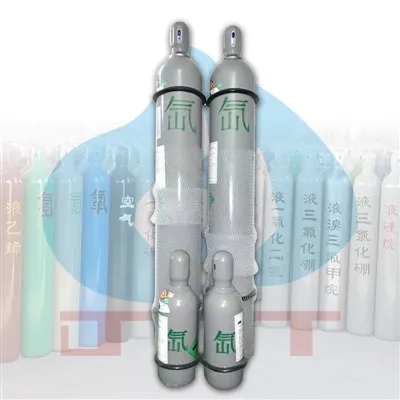
If you’re unsure about the age of your current LPG equipment, need a system upgrade, or just want to go over maintenance plans to extend your system’s life, we’re here to help. We work with residential customers, small businesses, and food trucks to provide certified LPG equipment, installations, and maintenance tailored to your needs. Reach out to our team to start a conversation about your LPG equipment needs today.
LPG Equipment References:
- American Petroleum Institute (API). “Standard 650: Welded Tanks for Oil Storage.” 2020.
- National Fire Protection Association (NFPA). “NFPA 58: Liquefied Petroleum Gas Code.” 2023.
- U.S. Department of Transportation (DOT). “Transportation of Liquefied Petroleum Gases: Cylinder Standards and Requalification Requirements.” 2022.
- National Propane Gas Association (NPGA). “Residential and Commercial Propane System Maintenance Guidelines.” 2021.
Xinxiang Jincheng Technology Co., Ltd.
As one of the most professional LPG equipment manufacturers in China, we’re featured by quality products and good service. Please rest assured to buy customized LPG equipment made in China here from our factory. For pricelist, contact us now.
Address: Industrial Park, Fengquan District, Xinxiang City, Henan Province, China
E-mail: cncd05@cryocontainer.com
WebSite: https://www.jinchengspecialgas.com/
