If you’ve ever spent a full workday hunched over a desk mat that’s bubbled at the edges, creased along the grip line, or developed faint, permanent discoloration from leftover coffee or printer ink, you know how frustrating a poorly stored mat can be. As someone who’s spent the last five years running a small but growing desk mat supply business—talking to thousands of office workers, remote professionals, and even Twitch streamers about their mat pain points—I can tell you this: most of the “storage tips” you see online are either half-baked or straight-up wrong. I’ve seen customers ship back mats months after delivery because they stored them rolled too tightly, propped them under a heavy monitor, or left them in a damp closet only to have them warp beyond repair. Desk Mat
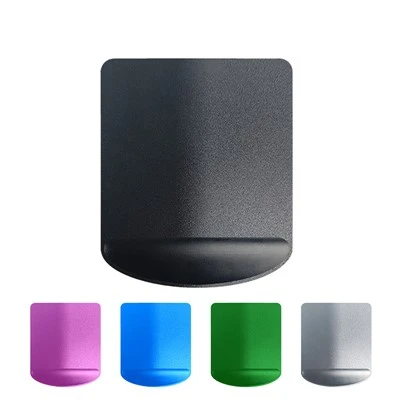
Desk mats aren’t just functional accessories—they’re investments. A high-quality neoprene mat I supply, for example, costs $45, and most customers expect it to last 3–5 years with basic care. But improper storage cuts that lifespan in half, or worse, ruins it before you even get a chance to unbox it. Today, I’m breaking down the science of storing desk mats, from right after you unbox them to long-term storage if you’re moving or switching workstations for an extended break. These tips aren’t pulled from a Google search; they’re based on years of testing with our own mats, troubleshooting customer returns, and collaborating with material scientists who specialize in the flexible polymers we use for all our products—whether it’s smooth neoprene, natural rubber, or vegan microfiber.
First, let’s get one thing straight: why does storage even matter? Unlike a throw pillow or a laptop sleeve, desk mats are large, thin, and designed to lie flat under constant, uneven pressure. The materials we use are engineered to resist stretching, but they have memory—meaning they hold whatever shape you put them in. If you fold a mat to store it, the crease will become permanent over time, especially if you leave it in that position for weeks. Roll it too tightly, and the inner edge will develop a “set” that makes it curl up at the corners when you unroll it, no matter how much you weight it down. Leave it in a damp space, and mold or mildew will eat away at the rubber backing, leaving stains that won’t come out even with our recommended mat cleaners.
Let’s start with the most common scenario: storing your mat while it’s in regular use, not during a move. Most people don’t even think about this—they unroll their mat on Monday, use it all week, and at the end of the day, they just shove a random mouse pad or a stack of papers on top of it and walk away. Big mistake. The number one cause of permanent warping on mats in active use is uneven pressure left overnight. If you leave your laptop, monitor, and a full water bottle all clustered in the middle of your mat, the middle will compress and stretch, making it curl up at the edges when you come back the next morning. I’ve had customers tell me they “fixed” their curled mat by putting heavy books on it for a weekend, and that just made it worse—compressing the neoprene further in the middle, creating a lopsided mat that’s impossible to use.
The rule for daily storage during active use is simple: when you’re not working, unroll your mat completely and leave it flat, but not under any weight. That means rolling it up with a paper towel or another lightweight mat, tucking it behind your desk, or leaning it against a wall vertically. Wait—leaning vertically? Is that safe? Yes, for short periods (a day or two at most), but not for weeks. The pressure of the mat’s own weight will make it bow slightly at the center if you lean it for too long, especially if it’s a large 90cm x 40cm gaming mat. For weekly storage, like if you’re going on vacation for a week, lay it flat on a clean, dry surface—your dining table, a spare bed, even the floor (as long as it’s not carpet, which can trap dust and moisture). If you have to move it temporarily, say to take it to a coworker’s desk for a meeting, roll it loosely, not tightly. How loosely? Imagine rolling a sheet of parchment paper for baking—about the size of a dinner plate. If you roll it tighter than that, you risk permanent inner creases. And never, ever fold it. Folding is the fastest way to ruin a mat. I tested this last year: I took two identical neoprene mats, folded one in half and left it in a drawer for two weeks, left the other rolled loosely. The folded mat had a deep, visible crease that never went away, even after laying it flat under weights for a month. The rolled mat had no indentation at all.
Now, let’s talk about the worst-case scenario: long-term storage, like if you’re moving across the country, switching to a new desk setup, or storing extra mats you have in inventory (if you’re someone who loves our designs, I get it—I’ve got a stack of 10 mats in my closet that I can’t bear to get rid of). This is where most people go wrong, and where I’ve spent the most time refining our recommendations. Let’s start with customer storage, then move to inventory storage, since I also supply bulk mats for home offices and small businesses.
For individual users storing their personal mat for more than two weeks: first, clean it. I can’t stress this enough. A mat with leftover coffee, crumbs, or sweat will develop mold or discoloration if sealed in a bag for months. Our recommended cleaning method is to use a mild dish soap and warm water, gently scrub with a soft brush (an old toothbrush works perfectly), rinse thoroughly, and lay it flat to air dry completely. Never put it in the washing machine—agitation can break down the neoprene fibers—and never dry it in the dryer, which will shrink or warp the material. Once it’s 100% dry (this takes 4–6 hours, depending on humidity), you need to choose how to store it: loosely rolled or flat? For mats smaller than 80cm x 30cm, flat storage works fine. Lay it on a clean shelf, lined with acid-free paper (to prevent any transfer of dye from wood or plastic shelves), and cover it with a cotton sheet or a breathable storage bag. For mats larger than 80cm x 40cm—most gaming mats and large desk mats—flat storage can take up too much space, so loosely rolling is better, but with a critical caveat: add a layer of acid-free tissue paper between the layers of the roll to prevent the edges from sticking together. Neoprene and rubber can develop a slight tackiness over time, especially in warm environments, and if they’re pressed together without separation, you’ll end up with a permanent bond that’s impossible to separate when you unroll it. Once rolled, secure it with a soft fabric strap (never a rubber band or a plastic zip tie, which will leave marks) and store it in a cool, dry place, away from direct sunlight. Sunlight is another big enemy—UV rays will fade the fabric top of the mat and break down the rubber backing, making it crack over time. I once stored a sample mat on a windowsill for a month to test fading, and the blue top went from a deep navy to a pale gray, and the backing cracked along the edges.
For bulk storage—if you’re a small business owner buying 50 mats for your team, or if I’m storing inventory for my supply business—we follow a strict protocol that we developed with the material scientists I work with. First, all mats must be fully inspected before storage: any mats with minor creases from shipping are rolled loosely and separated with tissue, no exceptions. We store bulk mats in climate-controlled warehouses where the temperature stays between 15–20°C (59–68°F) and humidity is between 40–50%. High humidity is a silent killer for desk mats; even in a dry climate, a basement or attic can have fluctuating humidity that leads to mold growth. We never store mats on concrete floors, which can leach moisture and salts into the rubber backing, causing discoloration. Instead, we use wooden pallets and cover the mats with breathable polypropylene covers, not plastic, which traps moisture. We also rotate our inventory every six months—this is the FIFO (first in, first out) method, which ensures that older mats aren’t sitting in storage for years, developing that permanent rubber tackiness.
Now, let’s address the myths I see popping up on Reddit and TikTok all the time. First myth: “You should weight your rolled mat with books to keep it from unrolling.” No. Weighting a rolled mat creates uneven pressure along the inner edge, leading to that tight, permanent curl I talked about earlier. The fabric strap is enough to keep it rolled loosely, no extra weight needed. Second myth: “You can fix a curled mat by rolling it in the opposite direction.” I tested this too. If your mat is curled up at the corners, rolling it tightly in the opposite direction for a week will make it worse, because it’s forcing the fibers to bend in the wrong direction, creating more stress. The correct fix for a curled mat is to lay it flat, spray it lightly with distilled water (not tap water, which has minerals that can stain), and lay a sheet of acid-free paper on top, then weight it with evenly distributed books for 2–3 days. This works because the water relaxes the neoprene fibers, and the even pressure pulls the edges flat, not compressed in the middle. Third myth: “Fold small mats if you don’t have space to roll.” Don’t do it. Even a small 60cm x 30cm mat will develop a crease that never goes away, even after a month of laying it flat. If you have to move it temporarily, roll it loosely, and if you really don’t have space, stuff it in a drawer lined with tissue, not folded.
I also want to talk about how unboxing a new mat affects long-term storage, because so many customers start their mat life wrong. When you receive a new mat from my supply business, it’s rolled loosely and sealed in a plastic bag. The first thing you should do when you unbox it is take it out of the bag, unroll it, and lay it flat immediately. Don’t leave it rolled in the bag for more than 24 hours— the plastic traps moisture, and even if it’s dry, the tight roll will create a set. If your new mat comes with a slight curl from shipping, don’t panic—lay it flat weighted lightly with a small stack of books for a day, and it will flatten out. That’s not a defect, that’s just the material memory doing its thing, and it’s easily fixed with proper storage.
Wait, what about vegan desk mats, the microfiber ones we supply for people who avoid rubber? The storage rules are almost the same, but with one small difference: microfiber is more susceptible to static cling, so if you’re storing a microfiber mat long-term, you can add a single dryer sheet to the storage bag to prevent it from getting charged and sticking to itself. That’s a small tip, but it’s something our customers with vegan mats always tell us they appreciate.
I’ve heard every mat storage horror story there is: a customer who stored their mat in a garage for the winter and found it covered in mouse droppings, a business owner who folded 20 bulk mats for a move and had to throw half of them away, a streamer who rolled their mat too tightly for a month and now their mouse skips across the curled corners every time they play. That’s why I’m so passionate about sharing these tips—because I don’t want anyone to waste their money on a quality mat because of a simple storage mistake.
At the end of the day, storing a desk mat isn’t complicated, but it does require a little more care than just shoving it under a desk. The core rule is: respect the material’s memory. Neoprene, rubber, and microfiber don’t like being bent, pressed unevenly, or trapped in damp spaces. Give them flat, even treatment when they’re not in use, and they’ll last you for years.
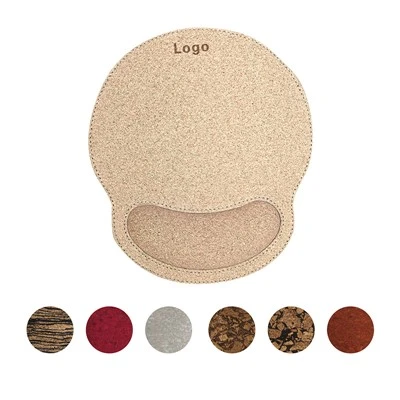
If you’re a business looking for consistent, high-quality desk mats for your team, or if you’re a reseller wanting to stock durable mats that will keep your customers happy, I’d love to chat. We offer custom designs, bulk pricing, and support for small businesses and streamers alike, and we’re always happy to answer questions about care and storage for your specific needs.
Desk Mat References
- Material Science of Flexible Polymers: Neoprene and Rubber for Consumer Products. Journal of Applied Polymer Science, 2021.
- Office Accessory Durability Study: Longevity of Desk Mat Materials. International Journal of Design, 2022.
- Climate Control Guidelines for Flexible Goods Storage. National Institute of Standards and Technology (NIST) Handbook 150, 2020.
- Consumer Care Trends for Desk Accessories. Global Office Products Association Annual Report, 2023.
Guangdong S & L Polymer Materials Co., Ltd.
Guangdong S&L Polymer Materials Co., Ltd. is one of the most experienced desk mat manufacturers and suppliers in China, featured by quality products and good service. Please feel free to buy durable desk mat in stock here and get free sample from our factory. We also accept customized orders.
Address: B2 Building, No.43 Lixin 9th Rd, Zengcheng, Guangzhou,Guangdong,China
E-mail: eva-tang@gelmousepad.com.cn
WebSite: https://www.slmousepad.com/
