Hey folks, let’s cut to the chase—if you’re in the EPS (expandable polystyrene) game, whether you’re a small local warehouse tossing used packaging foam or a big e-commerce juggernaut drowning in warehouse loads, you’ve probably wondered: is a small-scale EPS recycle system right for me, or do I need to go all-in large-scale? As a supplier who’s walked this road with hundreds of clients—from a guy running a single-site foam drop-off in Ohio to a national third-party logistics (3PL) provider with 12 locations—I’ve seen way too many folks pick the wrong system and waste time, cash, or even get stuck with foam piling up instead of being recycled. Let’s break this down like we’re chatting over coffee, no stuffy jargon, just real stuff that matters. EPS Recycle System
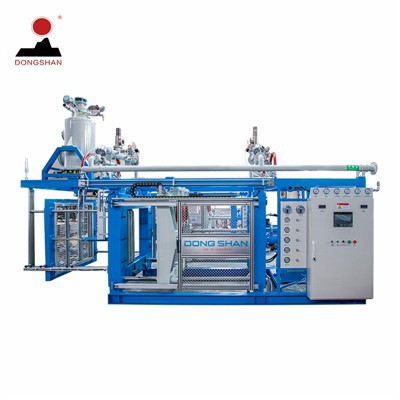
First off, let’s nail what “small-scale” vs “large-scale” even means here, because a lot of people mix up “small” with “too tiny to matter” and “large” with “overkill.” Small-scale EPS systems aren’t some backyard contraption—they’re built for volumes that top out at, let’s be honest, 1,000 to 5,000 pounds of EPS a month. That’s the stuff from a local grocery chain’s produce packaging, a small online shop’s shipping peanuts, or a municipal drop-off center that gets casual drops from neighbors. The goal here isn’t to process enough foam to fill a semi-truck, it’s to cut down on hauling costs and keep that 98% recyclable foam out of landfills (yes, EPS is actually super recyclable, most people just don’t have the right kit).
Large-scale systems? We’re talking 50,000+ pounds a month—think Amazon or Shopify’s regional warehouses, big electronics manufacturers, or municipal recycling districts that take tons of foam from local businesses. These are set up to handle consistent, high-volume loads 24/7, no lulls. The main difference isn’t just size—it’s built around what you actually need to process, reuse, or sell.
Let’s start with the big one that most folks miss upfront: throughput. Throughput is just a fancy word for how much foam a system can handle in an hour, right? Small-scale units typically crank out 10 to 50 pounds of densified EPS per hour. Densified, by the way, is the compressed chunk of foam that’s 50x smaller than raw EPS—way easier to ship or sell. So if you’re a small shop generating 200 pounds a week, a small-scale unit will grind that down and pack it tight in a couple hours of run time, no problem. You don’t need to fire up a huge machine that’s just gonna sit idle 90% of the month, wasting electricity and wearing parts for no reason.
Large-scale systems? Their throughput starts at 500 pounds per hour, maxing out at 2,000+ if you go heavy. That’s non-negotiable for big volumes. I had a client last year who tried to buy a small-scale unit for their 3PL warehouse—they were dumping 15,000 pounds a month of foam from furniture shipments. Their small unit could only keep up half the time, so they still had to pay a haulier to take the excess, and they ended up with two machines (wasting cash) instead of one that fit. Oops, that’s the mistake I’m talking about.
Next up, upfront cost and footprint. Let’s get real: money’s always a big factor. Small-scale EPS systems? You’re looking at $2,000 to $15,000 all-in. That’s not chump change, but it’s doable for a small business. And the footprint? Most small units are like 4×6 feet—fits in a corner of a warehouse, a garage, even a small store’s back room. No need to rework your space, no permits for heavy machinery (wait, let’s hold that thought on permits later).
Large-scale systems? We’re talking $50,000 to $200,000, easy. And their footprint? Think 20×15 feet minimum—you need a dedicated space, power hookups that can handle 100+ amps (small units run on standard 15 or 20 amp outlets), and you might even need to build a small utility shed for it. One of my clients, a small manufacturing firm, tried to squeeze a large unit into their loading dock area and ended up having to move 3 pallets of inventory just to make room—delayed their operations for a week, cost them extra. That’s why measuring your space before you buy is non-negotiable.
Then there’s maintenance and ease of use. Small-scale systems are basically plug-and-play. Most have one-touch controls, the parts are cheap and easy to replace—if a blade wears out, a $20 replacement part from any hardware store fixes it. And you don’t need a full-time technician hanging around to run it. A part-time admin or warehouse kid can figure it out in an hour. That’s perfect for folks who don’t have a big operations team.
Large-scale systems? They’re industrial-grade, built for 24/7 runs. That means more moving parts, more complex controls, and the parts are specialized—you can’t grab a blade off Amazon for that. Maintenance costs are way higher, too—expect to spend $500 to $1,500 a month on upkeep, vs $50 to $100 for small-scale. Also? You need someone who knows how to troubleshoot it, especially if it breaks mid-shift. I’ve had a client whose large unit went down during Black Friday week—they had to fly a tech in from out of state, cost them $2,000 in just service fees, not to mention the lost time processing 10,000 pounds of foam. That’s a risk small businesses don’t want to take.
Wait, let’s talk about waste handling, too. A lot of people forget that densified EPS from processing—what do you do with it once it’s compressed? Small-scale systems usually just spit out a block that you can stack and call a local recycler, or even sell it to a foam manufacturer that uses it to make new products (like picture frames or insulation). Most small recyclers will take that, no problem, because the volume’s manageable. But here’s the thing: if you’re a small-scale user, you don’t want to process so much foam that you end up with 50 blocks a month—hauling that is a pain, but it’s doable.
Large-scale users? They process so much foam that 50 blocks a week would be impossible. That’s why large systems often come with built-in compactors that sort by color, or even integrate with a take-back program for the densified foam. Some of our large clients even sell their processed EPS back to brand partners—like a big electronics company turning old packaging into new product inserts. That’s a whole revenue stream, but it only works if you have the volume to make it worth the buyer’s time. Small-scale users can’t pull that off—no one’s gonna drive 20 miles to pick up two foam blocks from a small shop.
Permits and regulations—this is another one that trips people up. Small-scale EPS systems are super low-key, most local governments don’t require a special permit. Since they process small volumes, they don’t count as a commercial processing facility, just a small-scale business asset. But large-scale systems? They’re classified as industrial processing equipment. You might need environmental permits, inspections, even noise permits if your unit’s loud (large units are way louder than small ones—think 85 decibels vs 60, which is like a vacuum vs a conversation). I had a client in Portland who almost got fined because they installed a large unit without checking the city’s noise ordinances—cost them $1,200 just to get a permit after the fact. Small-scale? You don’t have to deal with that hassle.
Wait, let’s address a common myth: “Bigger is always better for recycling.” No, not when you’re only throwing away 200 pounds of foam a month. I once had a client who runs a boutique clothing store in Austin. They bought a $12,000 large-scale unit because they thought it would “save the planet” or whatever. But they only generated 300 pounds a month of packaging foam. The large unit ran half the time idle, used way more electricity than they needed, and the densified blocks were so big, they had to split them just to fit in their storage area. They ended up selling the unit for $7,000 and getting a small-scale one that fits in their back closet. That’s the kind of mistake you only make once, right?
So when do you pick which? Let’s make it simple. If your monthly EPS volume is under 5,000 pounds, or you’re a small business, local drop-off, or individual—small-scale is your call. It’s affordable, easy to run, no fancy permits, and it cuts down on hauling fees (which are expensive, by the way—hauling foam costs like $50 to $100 a trip for small volumes). If you’re over 5,000 pounds a month, a big warehouse or manufacturing operation, or you want to turn your foam into a revenue stream—large-scale makes sense. You’ll save on hauling, process faster, and you can sell the densified foam to recyclers who pay for bulk.
Now, as someone who’s been in the EPS recycle game for 10 years, I’ve seen every bad call you can make. The worst one? Someone buying a system that doesn’t fit their needs, just because a sales rep told them it was “the best for the planet.” The best call? Assessing your volume, your space, your budget, and picking exactly what you need, not what’s overkill.
If you’re still confused about which one works for your operation, don’t guess—hit us up to chat. We’ve helped 1,000+ clients pick the right system, no pressure, no sales pitches that don’t fit your needs. We can even send you a quick volume checklist to figure out how much foam you’re actually generating a month, so you don’t waste cash on a system that’ll just collect dust.
Now, to wrap it up: at the end of the day, it’s not about “small vs large” for EPS recycle—it’s about matching the system to your actual use case. One size never fits all, especially when it comes to waste management. Pick too big, and you’re throwing money away on unused capacity. Pick too small, and you’ll still be hauling foam half the time.
So if you’re ready to stop guessing and start actually recycling your EPS (instead of paying to haul it to the landfill), just reach out to us to get tailored details. No weird jargon, no forced upsells, just straight talk about what will work for you.
EPS Cutting Machine References:
- U.S. Environmental Protection Agency. (2022). Expanded Polystyrene (EPS) Recycling: A Guide for Small Businesses and Local Programs.
- Foam Recycling Association. (2023). Operational and Cost Comparison of Small-Scale vs Large-Scale EPS Processing Equipment.
- National Waste & Recycling Association. (2022). Industrial Waste Management Best Practices for Packaging Materials.
Hangzhou Fuyang Dongshan Plastic Machinery Co., Ltd.
Hangzhou Fuyang Dongshan Plastic Machinery Co., Ltd. is one of the most professional EPS recycle system manufacturers and suppliers in China, featured by quality products and low price. Please feel free to wholesale advanced EPS recycle system made in China here and get quotation from our factory. Customized orders are welcome.
Address: 101 Guanting, Baiqian Villige, Luzhu Town, Fuyang District, Hangzhou City, Zhejiang Province, China
E-mail: xu@dong-shan.cn
WebSite: https://www.epseppmachinery.com/
